Chocolate, grapes, table scraps: There are some foods every pet parent knows you shouldn’t give to dogs, no matter how cute their puppy-dog eyes are. Unfortunately, many other foods contain several hidden ingredients that can be harmful to our furry friends. Take xylitol, for instance. You might not know exactly what it is, but it certainly sounds more like a musical instrument than an ingredient.
While it is perfectly fine for humans to ingest this sugar substitute, xylitol and dogs are another story. If you have questions, don’t worry! We’ll help you learn:
- What is xylitol?
- Is xylitol bad for dogs?
- How can I find out if a food has it?
Here’s what you need to know.
What is xylitol, and where can you find it?
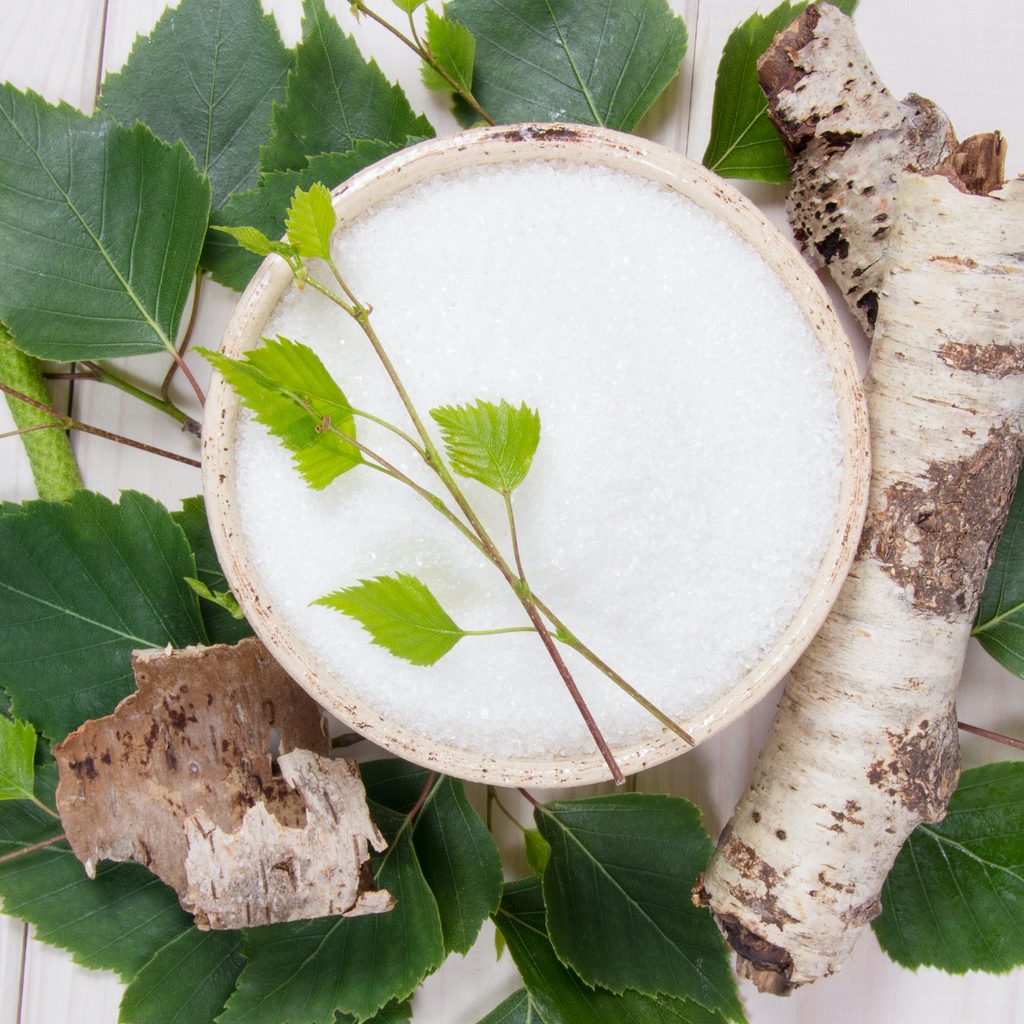
You might’ve seen xylitol listed in the ingredients of many popular human foods, but odds are you’ve never seen it in a pet product. That’s because pet products don’t need any artificial sweetener! Xylitol is a sugar alcohol that occurs naturally in many fruits, vegetables, and plants — noticeably birch trees. For this reason, xylitol sometimes hides under the name “birch sugar.”
Because xylitol is a sugar and a carbohydrate, it’s often used to replace sugar or carbs in commercial “diet” foods. It’s most commonly found in sugar-free gum, mouthwash, and other oral health products because of its bacteria-killing properties. Remember, there’s no reason a dog needs this type of ingredient in their diet!
Is xylitol bad for dogs? What happens if a dog has xylitol?
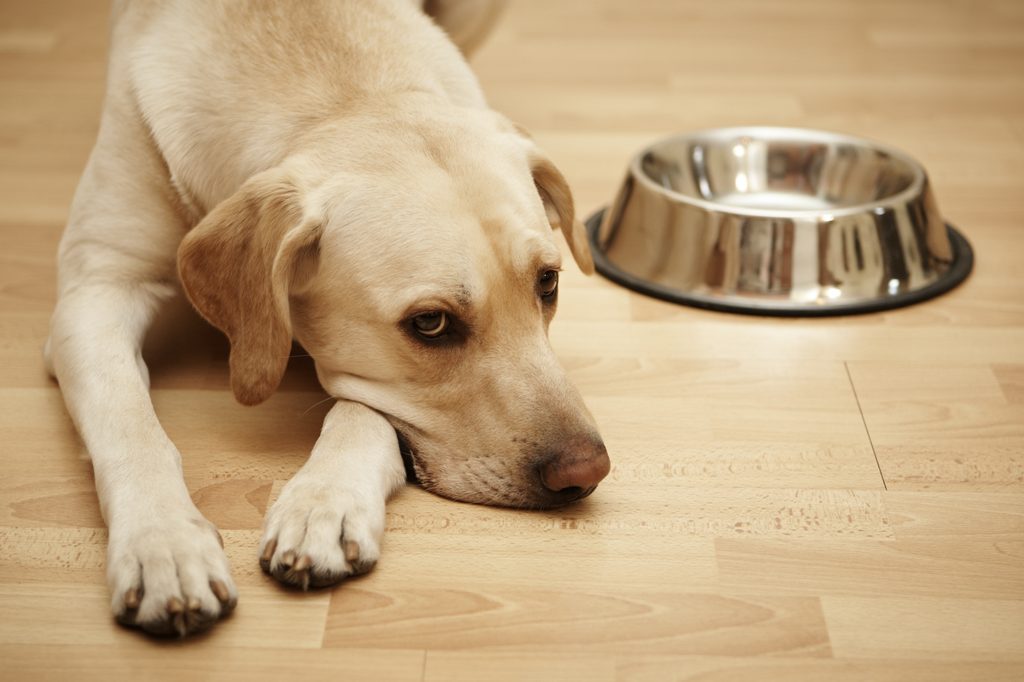
Although the U.S. Food and Drug Administration (FDA) has confirmed xylitol’s safety for human consumption, the same cannot be said when it comes to dogs. Unfortunately, consuming birch sugar can lead to dangerously low blood sugar levels in canines, which can be fatal, according to the FDA.
This is where people and dogs differ. In humans, xylitol does not stimulate insulin creation, which is responsible for controlling blood sugar levels. However, even a small amount of this sugar can trigger a large insulin release in canines.
Symptoms of xylitol poisoning include:
- Vomiting
- Lethargy
- Confusion
- Weakness
- Unconsciousness
- Seizures
How long does it take for xylitol to affect a dog?

Ingesting toxic foods always impacts dogs a little differently depending on their size and how much of it they eat. Xylitol is no different and affects small dogs more than large ones. A little bud could get very sick from just one piece of sugar-free gum. Because xylitol is so dangerous, there is no safe amount any pup pup can have.
Along those lines, it can take just 30 minutes for the hypoglycemia to hit your pet. Depending on the food they get the xylitol from, your dog might not show symptoms for up to 24 hours, but usually sooner. More severe symptoms, like liver failure, might come along a day or two after the offending food gets eaten.
What foods have xylitol? Do other household products have it?
Although foods are the most common culprit of xylitol exposure in canines, there are other products you should keep away from your dog.
1. Toothpaste and mouthwash
Many dental products use xylitol because it’s low carb, low calorie, and even kills the harmful bacteria found in your mouth. Never use human toothpaste on a pup, even if your dog has stinky breath. Instead, opt for a toothpaste meant for dogs — which probably tastes better to them, anyway.
2. Chocolate and candy
As if you needed another reason to keep your furry friend away from chocolate, it can also contain hidden artificial sweeteners like xylitol. Candies don’t always list which sweetener they use, either, so it’s better to be safe than sorry.
3. Sugar-free chewing gum
This silent killer is the most frequently reported source of xylitol toxicity in dogs. It doesn’t take much for a curious canine to root through someone’s handbag for a snack, which means it also doesn’t take much for a dog to get seriously sick if that snack happens to be your pack of gum. Plenty of gum options are available that don’t contain xylitol or any artificial sweetener, so you won’t have to give up your oral fixation completely. Most often, xylitol will only be found in sugar-free or low-sugar gum varieties.
4. Meal replacement shakes
Because xylitol has become a popular sugar substitute, it’s often found in meal substitutes like protein shakes. It would take a large amount of sugar to sweeten a drink the size of an average shake, so using an artificial sweetener helps manufacturers and customers avoid extra calories.
5. Powdered drinks
While the popular brand Crystal Light tends to use aspartame rather than xylitol and therefore isn’t an extreme risk to your dog, many other companies do use the dangerous sugar alcohol for drink-flavoring or in powdered electrolytes. Always read the label before you buy!
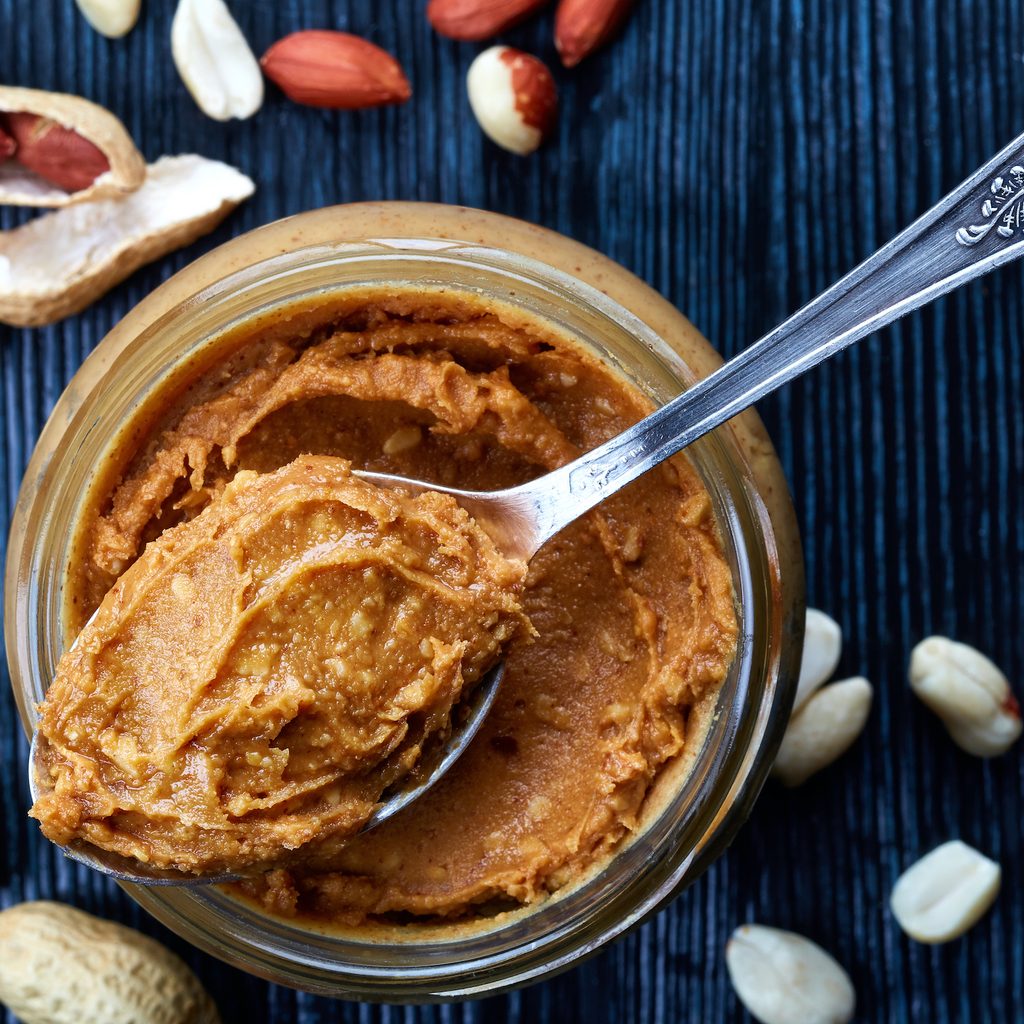
6. Peanut butter
This ingredient has been making headlines as a danger to pets, especially because dogs love peanut butter. The good news is that many major brands of peanut butter, such as Skippy and Jif, do not use xylitol in any of their products, but jars with words like “low sugar” or “sugar-free” on the label most likely do. Keep an eye out for that, birch sugar, and xylitol.
7. Flavored gelatin
This one might surprise pet parents, but many flavored gelatin products are chock-full of artificial sweeteners, including xylitol. The same can be said for pudding products, too, unfortunately, especially if they’re sugar-free. Here’s the thing: Unflavored, unsweetened gelatin is safe for your dog. It’s 99% protein on its own and can be safely combined with any other canine-friendly ingredients — even food coloring.
8. “Skinny” ice cream
You might feel better about indulging in this diet dessert, but your dog certainly will not. As enticing as they may be by the flavors and smooth texture, “light” ice creams often contain these toxic artificial sweeteners. Instead, treat your pup to some Frosty Paws, a doggie ice cream formulated by Purina.
9. Nonfat or sugar-free yogurt and Greek yogurt
While ice cream may be a more obvious suspect, its cousins, yogurt and Greek yogurt, can also hide xylitol. Watch for label keywords like “nonfat” that don’t directly imply but can include swapping out sugar for xylitol.
10. Condiments
Think twice — or at least read the label — before sharing that last piece of hamburger with your dog. Many condiments contain xylitol even if they’re not labeled as “sugar-free,” so you can’t be too careful.
What should you do if your dog ingests xylitol? When should you call for help?

According to VCA Hospitals, you should call your vet or the Pet Poison Helpline at 1-800-213-6680 immediately if you even suspect your dog has ingested xylitol. VCA Hospitals also advises against making your dog vomit or giving anything to your dog without consulting your veterinarian.
How is xylitol poisoning in dogs treated?
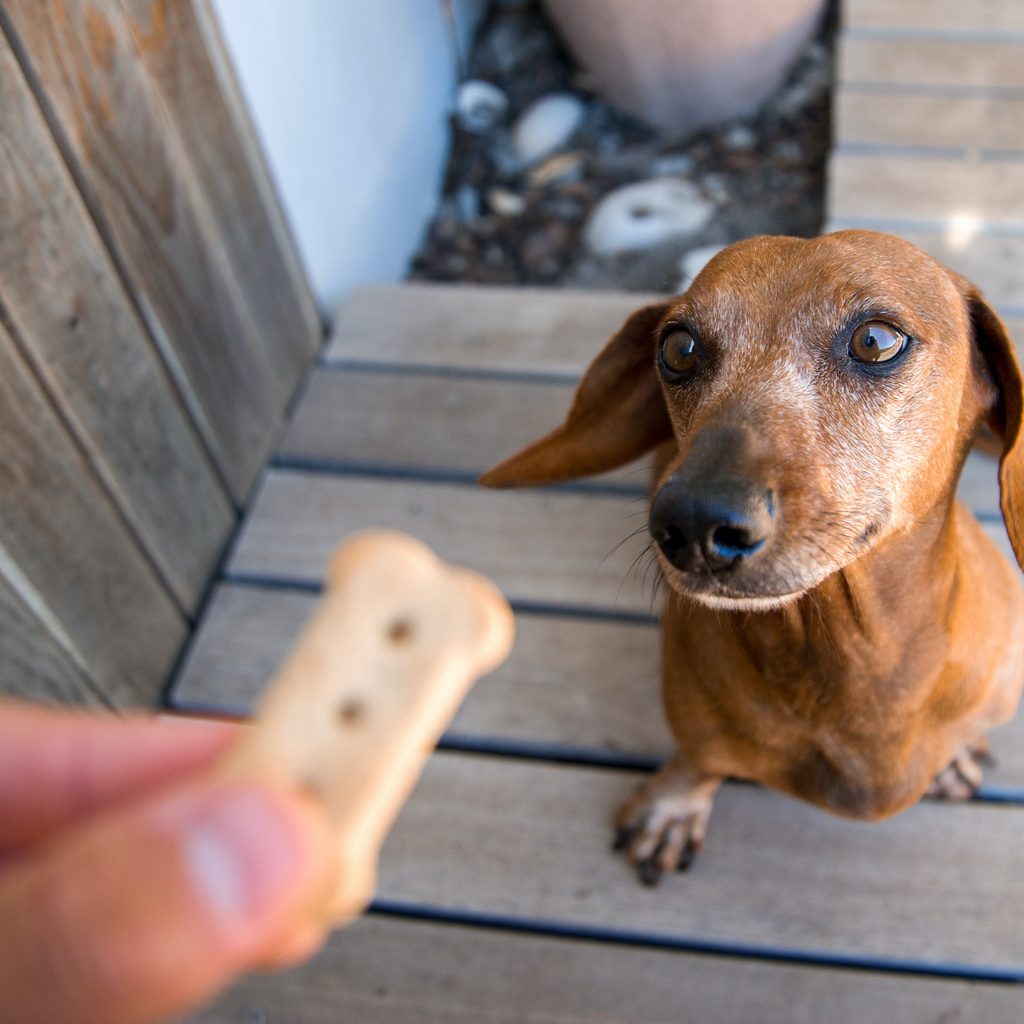
When a veterinarian sees a case of suspected xylitol poisoning, they’ll check the dog’s blood glucose level to determine whether it is safe to induce vomiting. Throwing up can reduce blood sugar — but so can xylitol poisoning — so the vet will make their very best judgment. VCA Hospitals said, “Supportive therapy includes fluid support and medication to treat the dog’s clinical signs. For adequate treatment and observation, be prepared to have your dog stay in the hospital through the day with mild cases, and for a few days in more severe cases.”
If a dog can get treatment before liver failure begins, they will generally make a full recovery. This situation can get dangerous if a dog’s blood glucose or potassium drops too low, or if their liver fails. This is why it’s imperative to get to the vet ASAP even if you’re not 100% sure what they ate.
Some final thoughts on xylitol and dogs: Better to be safe than sorry

When it comes to xylitol, you can never be too cautious. Even a small amount can be highly toxic to your pup, so you’ll want to be sure they can’t get access to things like gum, mouthwash, candy, and other sugar-free human foods. If you have children, ensure they also understand that certain foods should never be shared with their furry friends, which will help your dog stay safe, sound, and xylitol-free.