When it comes to pet ownership, you want nothing more than a healthy and happy life for your furry friend. Sometimes, however, pet ownership can get expensive. There are regular vaccines, vet visits, and general procedures that come with owning a pet. The more unexpected costs, however, like surprise surgeries, medications, and treatments can be a big hit to your wallet.
This is why wellness plans and insurance plans were created. They were designed to make both the planned and unplanned expenses more affordable and less intimidating. There are many differences between pet wellness plans and pet insurance. It is important to understand the differences so you can ensure you have the best coverage for your beloved pet.
What is a pet wellness plan?
Pets require a lot of routine vaccinations, one-time spaying/neutering, and ongoing medications to keep them safe. That is the whole idea behind a pet wellness plan. A pet wellness plan is designed to cover your pet’s routine care like annual checkups or vaccinations. It covers all of the planned medical expenses that your pet will rack up over the years.
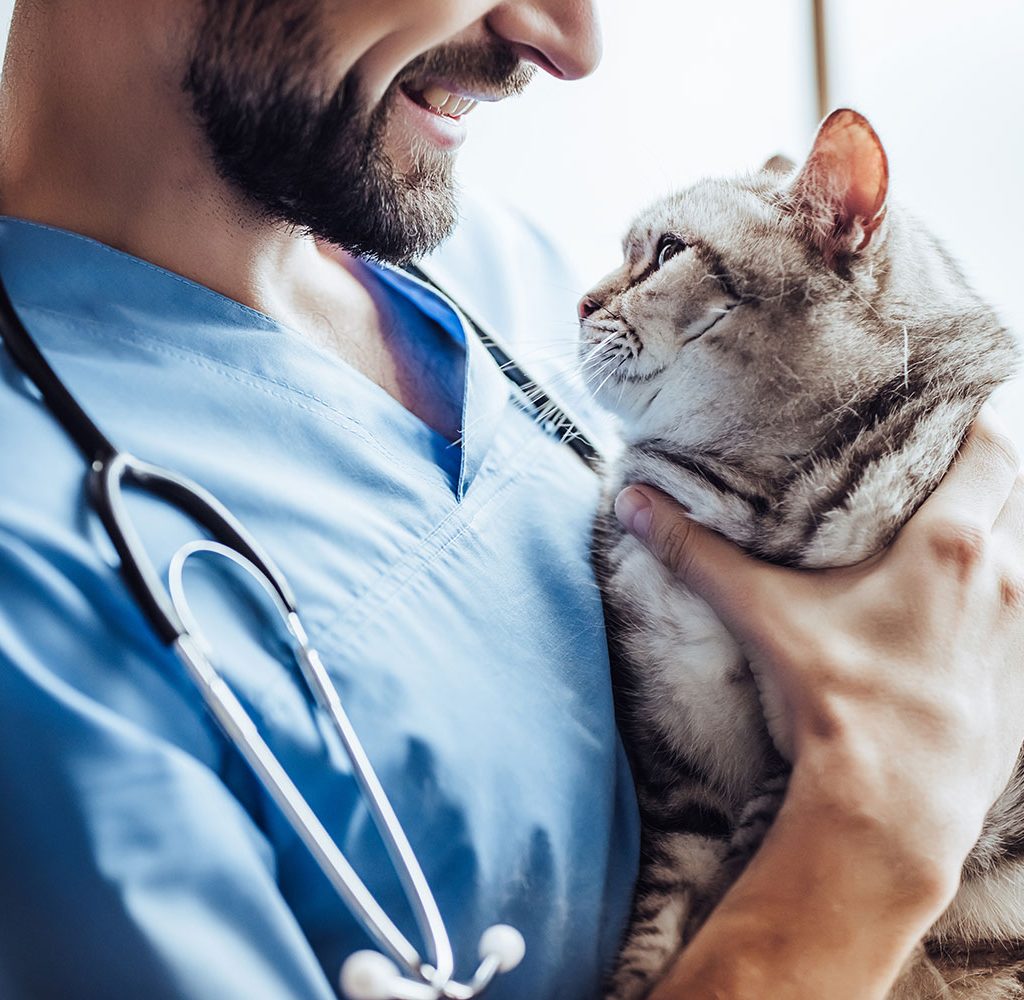
Pet wellness plans differ based on who you purchase it from. Certain veterinarian offices offer puppy or kitten plans to cover all of the necessary medications and vaccinations for that first, crucial year of life. There are also wellness plans that continue throughout the life of your pet. They typically require a predetermined payment that you pay every month to cover all vaccinations, annual exams, office visits, medication, and more.
In the long run, these plans are designed to save you money and are a great way to keep track of your pet’s medical needs. It is important to find one that best suits the needs of both you and your pet. They range in monthly cost, expenses they cover, and length of coverage. Some things that a wellness plan covers or can cover include:
- Annual exams
- Spaying/neutering
- Teeth cleaning
- Grooming and nail trimming
- Flea, tick, and heartworm preventatives
- Blood, urine, and fecal tests
- Behavior exam
- Microchipping
- Vaccinations
What is pet insurance?
Just like car insurance, home insurance, or medical insurance, pet insurance is for the unknown. Pet insurance is designed for those unexpected surgeries, cancer treatments, needed medications, or quick trips to the vet when your pet is sick. Nobody wants to hear that their pet is sick, but it can be comforting to know you are able to cover the treatment or surgery needed. Pet insurance works like any other insurance. There is a deductible and monthly premium that you pay. Pet insurance is a lifesaver for those unanticipated moments when your pet needs expensive treatment. It is a great way to always feel secure and know that you will be able to help your pet when they need it the most. There are a lot of pet insurance providers these days, so it is important to do your research. Look at all of your options and choose an insurance plan that has a deductible and monthly premium that make sense for you and your pet.
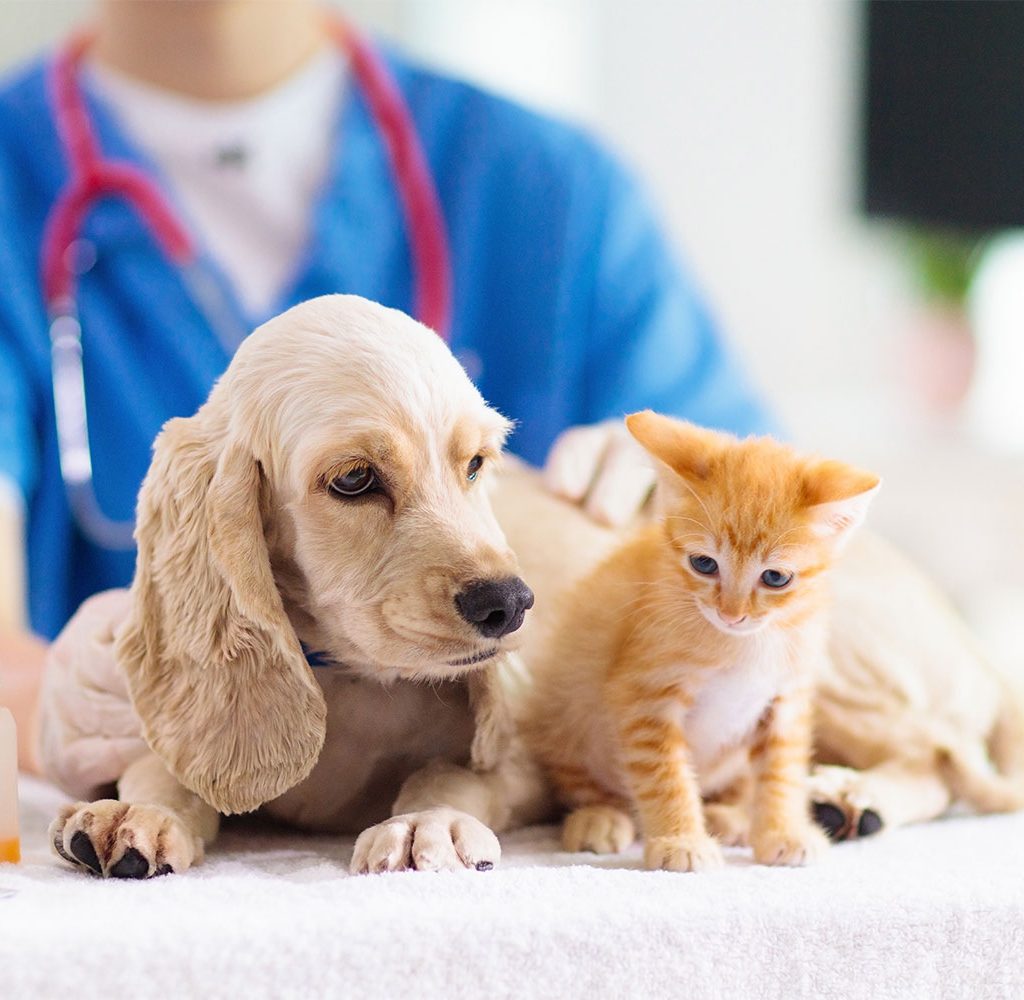
Pet insurance is much different from a wellness plan, but it has the same goal in mind — to help make pet ownership more affordable. Here are some things that some pet insurance plans cover and things that you should consider when deciding on the best plan for your pet:
- Sick exam fees
- Illnesses and injuries
- Dental injury and disease
- Holistic therapies
- Chronic and hereditary conditions
- Unexpected death
- Vacation cancellation costs
- Emergency boarding
What are the key differences and similarities?
Pet wellness plans and pet insurance are both great options for your pet. They are good coverage plans that help make pet ownership a little more manageable.
Key differences:
- Pet wellness plans are for planned expenses
- Pet insurance plans are for unplanned expenses
- Pet insurance requires monthly premiums and a deductible
- Pet wellness plans require a predetermined monthly rate
Key similarities:
- Both have a form of monthly payment
- Both are designed to help save you money
- Both are designed to cover your pet’s health and medical expenses
As you can see, both of these coverages are unique in their own ways. They are both designed to make pet ownership a little more affordable and less scary. You can choose to have one or both of these options because they cover different things. It is important to evaluate which will be most beneficial for your pet. Always consider your pet’s general health and age when deciding on the best option. Both of these coverages can be a huge relief for pet owners.


