
Expecting a dog never to bark is unrealistic — it’s in their nature, after all — but you shouldn’t have to deal with nonstop barking either. Whether your neighbors, your roommates, or your own ears have complained, we certainly understand why training a dog to stop barking can feel necessary yet daunting.
Try not to worry; we’re here to help. We’ve turned to veterinarians and renowned canine organizations to explain why dogs bark and what you can do about it. We’ll teach you which canine breeds are known for their quietness, how to help your own pup overcome excessive barking, and whether it’s possible to train a dog to stop barking in the first place. If this sounds like it’ll be helpful for your furry friend, get ready to take notes. You’ve got this!
Why do dogs bark?
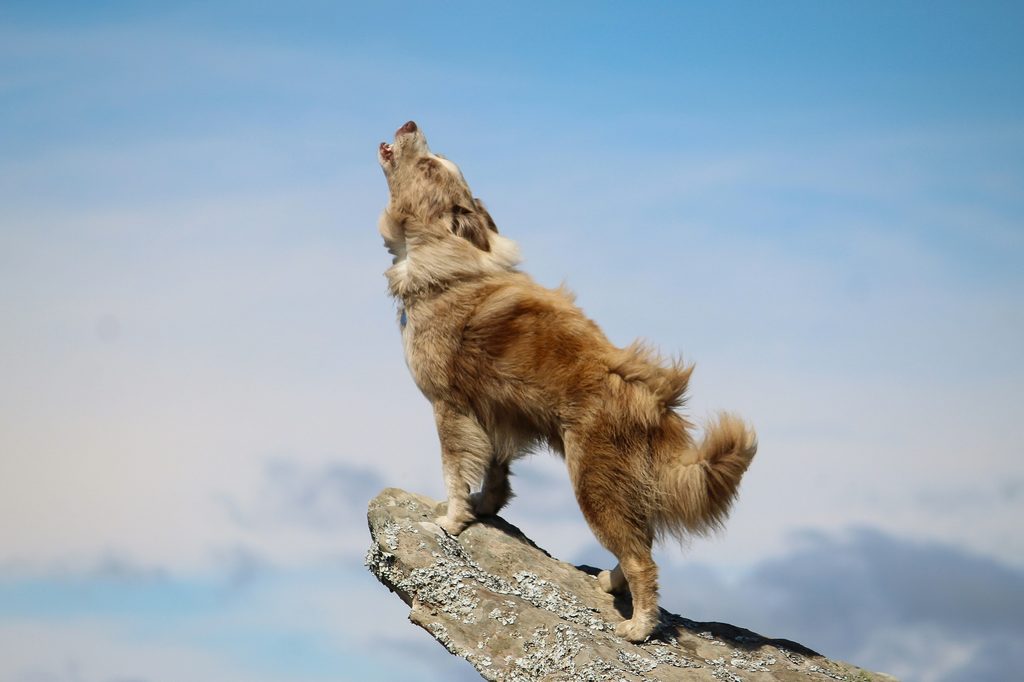
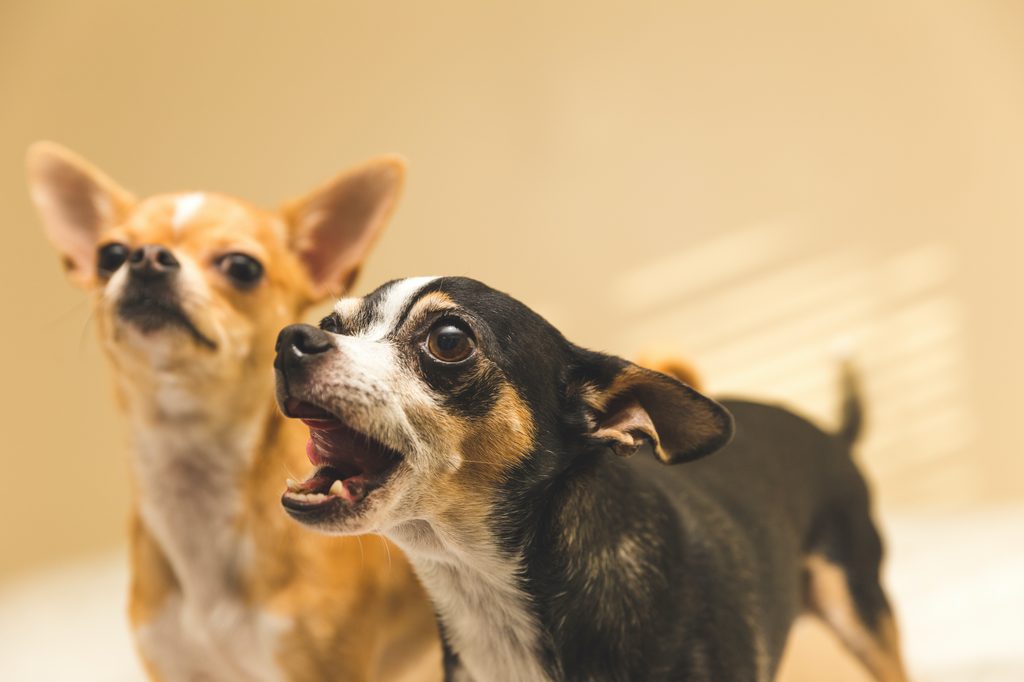
Some barking is obvious and easily explainable, such as when your dog is barking at the doorbell. It’s natural for many dogs to alert loved ones to unexpected sights and sounds around the home, but not all barks are in response to obvious stimuli. Most barking is an attempt at communication, whether with you, another human, or even another dog, so you may have to make an educated guess as to what they’re trying to say. They could be trying to get your attention, asking a fur sibling to play, or telling a stranger to back off.
Sometimes, dogs bark simply because they have big feelings; vocalizing is one way to express that! They could be barking out of excitement or anticipation, or they could even be barking out of boredom. Sometimes, dogs really do like to hear the sound of their own voice. Much to the dismay of their owners and neighbors, this kind of barking and howling can release dopamine (aka the “happy chemical”) in their brains, making them want to do it again and again.
Can dogs be trained to be quiet?
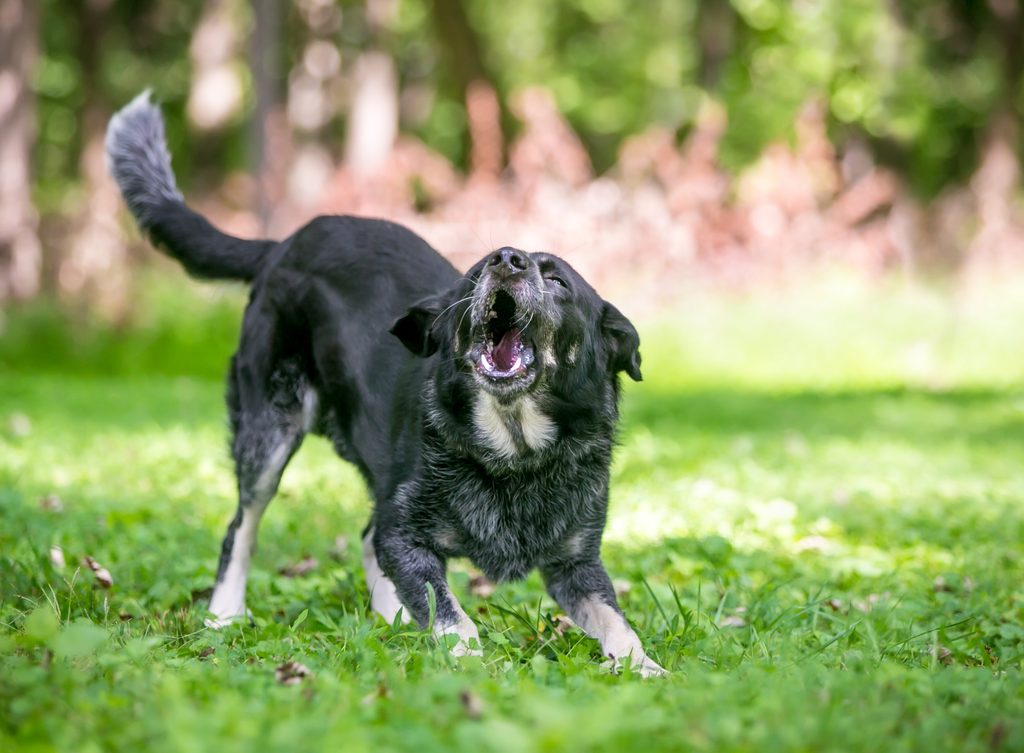
Though you shouldn’t expect any huge changes overnight, you can train your dog to be quiet. Even the noisiest of pups can learn to understand a command to stop barking, though you’ll also need to remove any other rewards your dog gets from vocalizing. The act of barking itself can cause an adrenaline rush that your pup is likely to enjoy, so offering a bigger reward, like a delicious dog treat, might be your best bet, according to The Humane Society.
Is it too late to train my dog to stop barking?
It’s never too late to teach an old dog new tricks. However, the longer an unwanted behavior goes on, the more difficult it can be to reverse it. It’s just like a person trying to break a habit: the more ingrained the behavior is, the harder it is to break it.
Don’t fret — even if your dog has been barking excessively for years, you can start reversing their noisy habits today. Keep reading to learn the best tips and tricks to train a dog to stop barking.
What dogs bark the least?

Believe it or not, there are certain breeds that are known to bark less than others, though, of course, every individual dog has their own tendencies. It may help to look for one of these breeds when you’re browsing for a new best bud, but you also can’t rely on breed alone to determine a pup’s personality.
That being said, these are some of the quietest dog breeds, as listed by Purina:
- Akita
- Basenji
- Boston terrier
- Bulldog
- Cavalier King Charles spaniel
- Greyhound
- Irish setter
- Pug
- Saint Bernard
- Shiba Inu
- Staffordshire bull terrier
- Whippet
How to train a dog to stop barking

To begin training your dog to stop barking, you’ll need to figure out why they’re barking in the first place.
Treating the reason behind the bark will be the most effective solution, but for now, it’s important to remember a few techniques. First, remember never to yell at your dog when they’re barking — or anytime at all. Not only will they not understand what you mean (unless you use a command they know, such as “quiet”), but they will likely be encouraged to keep barking. If you think about it, raising your voice does sound like a bark, so it’s easy to see why your pup might misinterpret your efforts.
Second, remember to use specific words when asking your dog to stop barking. They will likely not know the phrase “stop barking” or “shhh,” but training them to respond to “quiet” can go a long way. To practice with your pup, use your chosen command, then reward them with a treat when they stop barking. With enough consistency and practice, their response will become both quicker and quicker.
Final thoughts on barking

If excessive barking continues to be a problem, you may want to visit your veterinarian to rule out any medical problems. Alternatively, tiring out your pup with a long walk or extra playtime can go a long way in keeping them occupied if they seem to bark at nothing. Boredom can be a sneaky culprit!
Now that you know what makes a dog bark, which breeds bark the least, and how to train your dog to stop barking, you’re all set to take on a real challenge. Ready to help your pup quiet down? Remember, it will likely be a long process, but the sooner you get started, the sooner you’ll see results.