Seeing your beloved pet dog with a sudden limp can be worrisome, especially when you didn’t see anything unusual happen. It’s easier to help and put your own mind at ease if you notice your dog misjudging a jump or stepping on something sharp, but a mystery can leave you with many unanswered questions. Fortunately, most of these questions will be answered after a little investigation.
Let’s discover what most commonly causes a dog’s limp, how to treat a limping dog at home, and when a limp requires a visit to the vet. This way, you can make the best decisions for the health and well-being of your pup! Most of the time, you can avoid a time-consuming and expensive vet visit, too.
Causes of limping in dogs
A limp is usually a sign of pain, discomfort, or a limited range of motion in a dog’s leg, hips, or even back. Something as small as a nail injury can cause severe pain and lameness, so you can’t rule anything out until you can give your dog a thorough inspection. However, these are some of the most common causes of limping in dogs:
- Bone and soft tissue injuries can happen in a number of situations, whether it’s a sprained knee or a toe fracture. These injuries can vary in severity, but some can be treated at home.
- Joint issues like canine arthritis and hip dysplasia can affect dogs’ quality of life in the long run, especially with senior dogs. Luckily, veterinary treatment can make a world of difference.
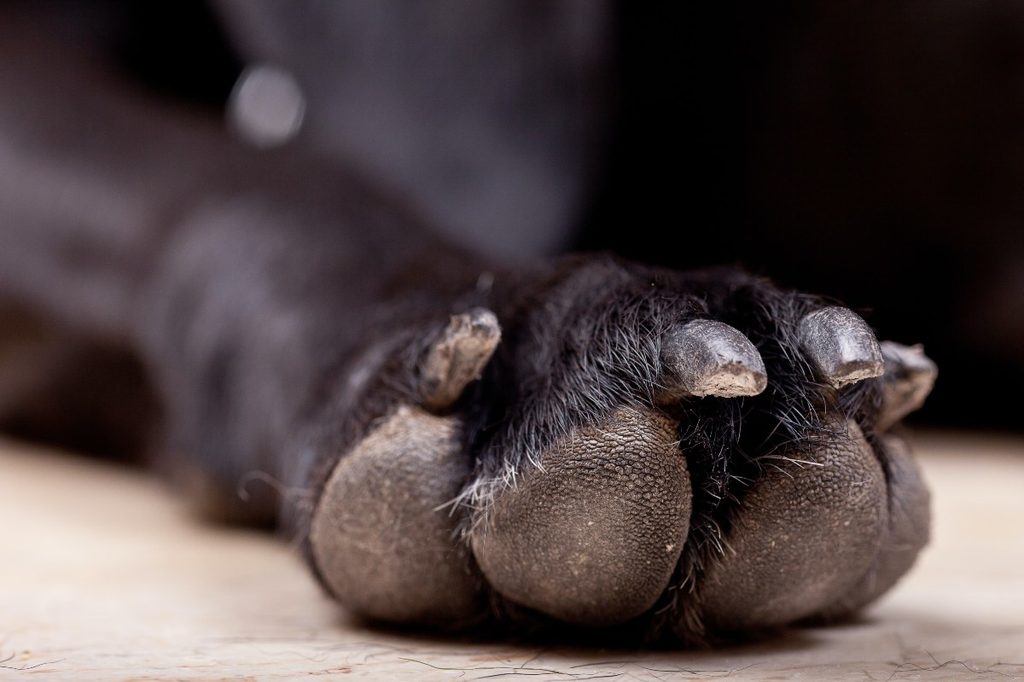
- Nail and paw injuries can be hard to spot at first, but they can cause a lot of discomfort for such small wounds. Look carefully!
- Spinal disease or injury can affect the entire body, so a limp isn’t out of the question. However, a limp may not be the only symptom if your dog’s spine is the root of the problem.
- Autoimmune diseases and nervous system disorders can cause all kinds of symptoms that make walking difficult, including swelling, nerve pain, and muscle atrophy.
- Bacterial and fungal infections can sometimes cause lameness. The most common of these is Lyme disease, which is carried by ticks.
Most of the time, a minor injury causes a dog’s limp, but giving your dog a thorough inspection can help you decide whether you can treat a limping dog at home.
How to treat a limping dog at home
Dr. Debra M. Eldredge, DVM, agrees that most cases of sudden-onset lameness are minor. Odds are, you’ll be able to treat your dog’s injury at home. But first, Dr. Eldredge recommends that dog owners examine their pup’s good leg to understand what it’s supposed to look and feel like. If your dog is lifting their back right leg when walking, for example, start by examining their back left leg. They can sit or stand while you do this, but be sure to examine their sore leg while in the same position so you can notice any differences.
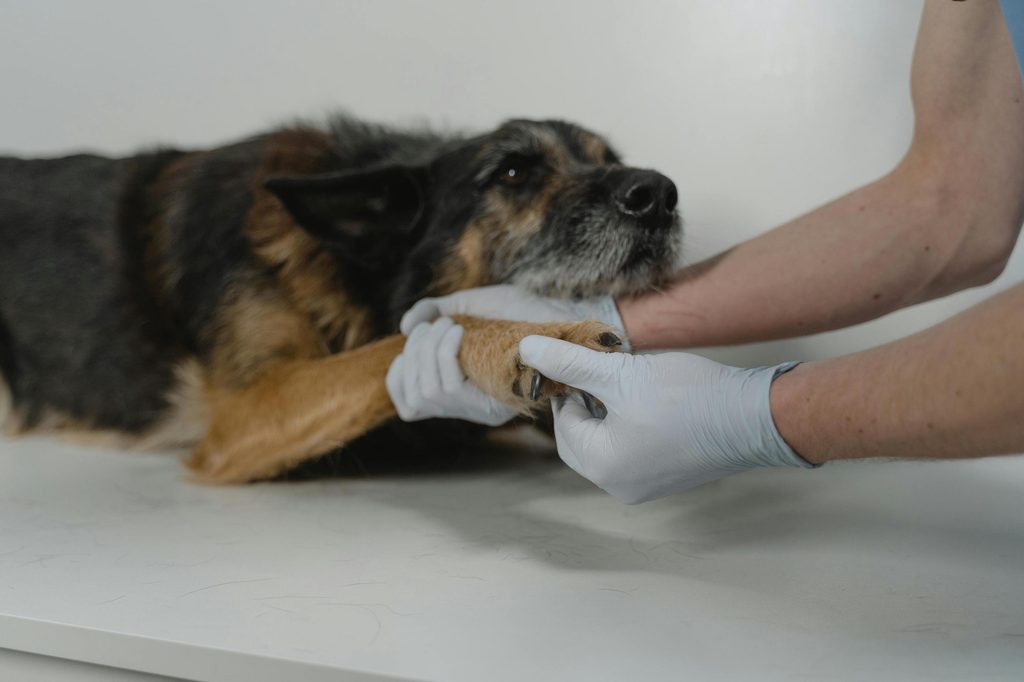
Begin by slowly bending and straightening your dog’s leg to check for joint soreness. Flex their paws and feel around their paw pads to check for cuts, foreign objects, or breaks in the nail. Gently feel up their leg for any injuries or swelling, but be sure to take it slow and look for any sign of pain from your dog.
Now that you’ve assessed the sore leg, you may have noticed a wound. If it’s a minor wound, flush it clean with fresh water, then apply your preferred antibiotic ointment. For major injuries, you’ll need to contact the veterinarian, but more information on that is below.
Dr. Eldredge explains that most causes of a sudden limp are minor muscle pulls, which can be healed with a few minutes of cold water therapy. She prefers to run a hose of cold water over the injured area since running water also provides a sort of massage, but you can also apply a cold compress for about 5 minutes at a time. You can repeat treatment every few hours as needed.
In most cases, muscle pulls can heal by the following day, but Dr. Eldredge still recommends restricting exercise for a few days. For back injuries, be sure not to let your dog jump or make sudden movements, as these could exacerbate their condition.
When to visit the vet for a limp
If your dog has a deep injury, is bleeding severely, or may have a bite, don’t wait before going to your dog’s veterinarian. For late-night situations, an emergency vet visit may be necessary. This way, your dog can get the stitches, wound care, and rabies shots they might need. Alternatively, dogs with muscle injuries that haven’t cleared up in a few days should also see the vet, as anti-inflammatory medications may be necessary.
Dogs with broken bones should see the veterinarian immediately, whether it’s their own vet or an emergency clinic. Splinting the leg might be necessary if you have a long drive ahead of you or if your pup is restless in the car. All you’ll need is a roll of newspaper, magazine, or even cardboard taped around the injured leg.
Most of the time, a limp isn’t a reason to rush to the vet. As concerned as you may be about a dog that won’t walk on one leg, you can take a deep breath knowing that you can treat a limping dog at home. Your pup will be back on their feet before you know it!