If you were to ask nearly anyone what they think of golden retrievers, you’d probably hear about what a fantastic family dog they are. Playful, gentle, and friendly — what’s not to love? Most goldens will be as happy to go for a jog with you as they will be to snuggle on the couch for a movie afterward.
As sweet as they are, they’ve got a lot of energy, too. Golden retriever training is necessary for both their safety and your sanity; especially as puppies, this breed can be rather destructive. Keeping their age and breed characteristics in mind, there are a few things you should know about training golden retrievers.
Start training golden retrievers as young as possible
As with any breed, you’ll have an easier time and more permanent results if you begin training your dog as a puppy. This hardwires the desired behaviors at a younger age rather than rewriting over the behaviors your dog is used to.
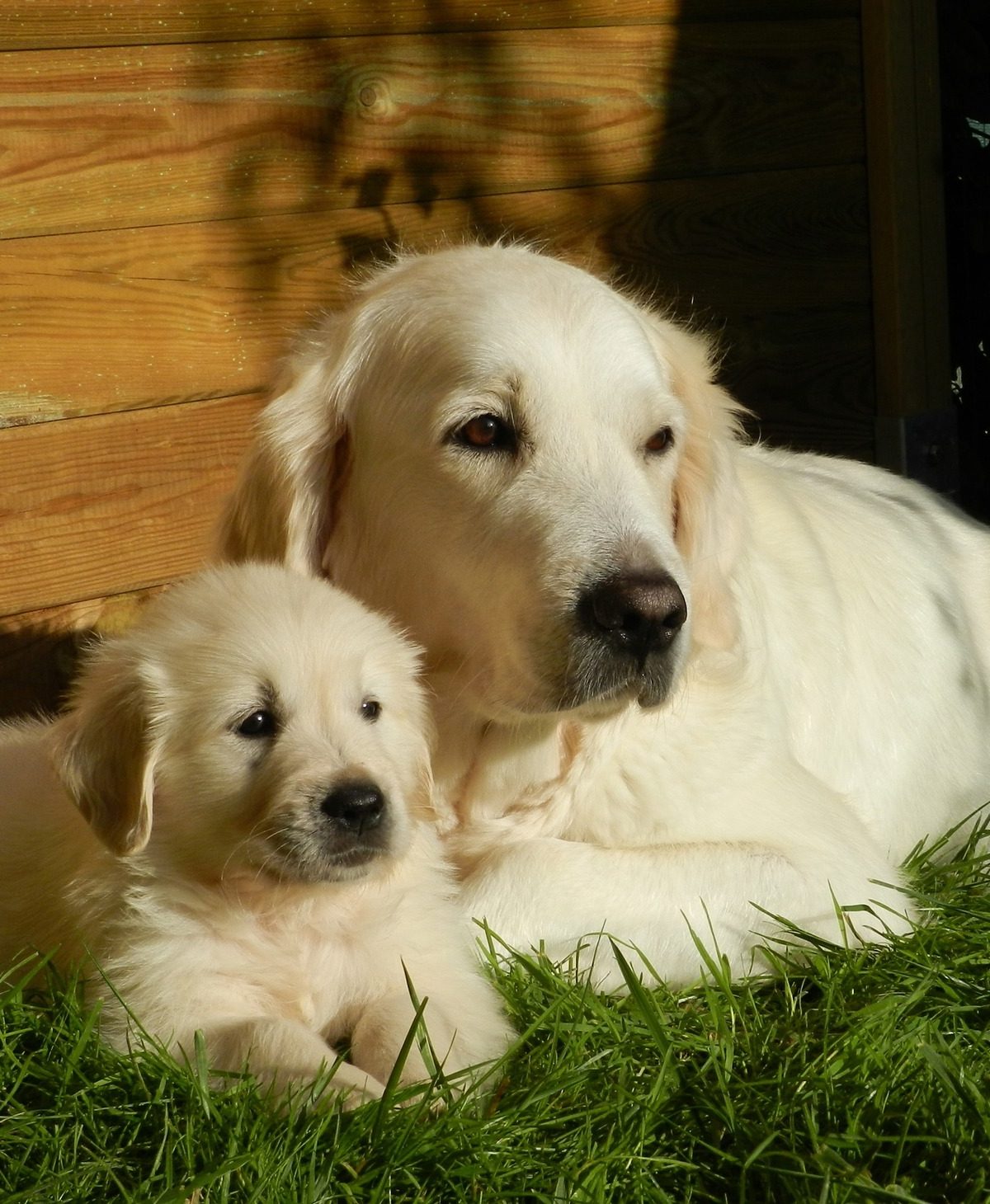
Experts recommend beginning training with your golden retriever puppy at around 8 weeks of age, if possible. It’s helpful to establish a foundation of desired behaviors before your puppy reaches the terrible teens — around 6 to 18 months (via AKC).
Know the breed’s behaviors — and channel them nondestructively
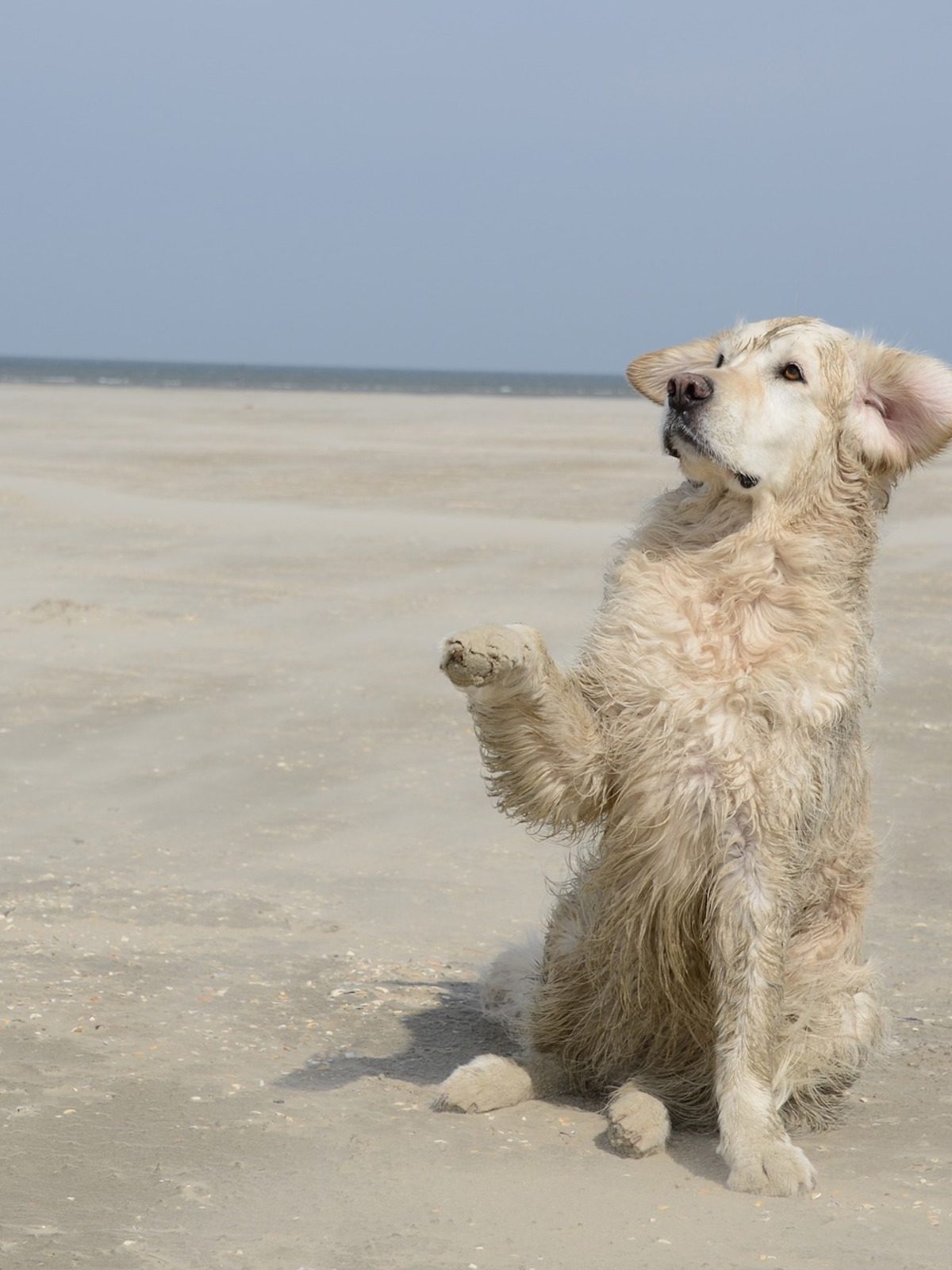
While many love the gentle, sweet side of the golden retriever, it’s easy to overlook the higher-energy, active side that’s just as characteristic of the breed. Traditionally, golden retrievers were bred to carry waterfowl in their mouths. Although most goldens aren’t hunting nowadays, they still need a lot of activity and have a tendency to get quite mouthy, especially as puppies.
To discourage your golden retriever from biting, chewing, or being otherwise destructive, encourage her to channel her energy toward an item that’s supposed to be chewed (like a sock filled with ice, or a chew toy, for example). Let her burn energy frisking with her four-legged friends or bring her on your run to keep her active.
Be clear and consistent
One key to training, whichever breed you’re working with, is to keep commands and rewards both clear and consistent. This will help your dog understand what is expected of her — and why she’s getting a treat!
Clicker training is a popular method of teaching your dog certain behaviors, like “sit,” or “stay.” To try this, all you’ll need are treats, a clicker, and patience. When your dog performs the wanted behavior, immediately click the clicker before giving her a treat. This sound will help her associate the action with the reward, making learning go so much quicker.
Remember to train your golden retriever regularly, or make it a part of your daily routine. Younger dogs like puppies can handle only five to 10 minutes a day, but as your dog grows, so can your lessons.
Make it rewarding to keep them interested
Having a golden retriever will make this part of training much easier, and oh-so-fun. While some dogs are strictly food motivated, and others are picky about their treats, goldens are generally excited to get any attention or reward from their person, even if it’s just a few minutes of playtime. Nevertheless, make sure not to take advantage of this or you’ll risk your dog’s losing interest in training! It’s never a bad idea to have some treats on hand and a few minutes to spare — she’s earned some playtime or even a walk!
Don’t reward behaviors you don’t want to continue
This one may sound obvious, but the truth is that many dog owners unknowingly reward unwanted behaviors. For dogs like goldens who love attention from their humans, acknowledging the behavior at all could be reinforcing it, even if that’s not your intention.
For example, if your dog likes to steal socks for fun and you chase her in an attempt to get them back, you probably won’t succeed. Your pup will see this as a game and have a great time running from you! This is when foundational training commands like “leave it” will be your go-to.
Similarly, when leash-training your golden retriever, you can discourage pulling on the leash by not responding. Instead of pulling back or letting her drag you where she wants to go, simply stop in place. Don’t continue walking until she has stopped pulling and is waiting with you. This will certainly take some repetition and patience, but your pet will understand eventually that if she pulls, she doesn’t get to walk.
Now that you know these tips and tricks for training for your furry friend, you can start on this new adventure together — just don’t forget the treats! Remember, certain tendencies run in breeds, but each dog will have her own personality and preferences, too. Don’t be discouraged if your pup doesn’t catch on to this training business right away, either. Patience and encouragement will get you further than negative reinforcement ever could. With the right training and lots of love, your golden retriever can be the happy, obedient dog you always imagined.