The number of cat breeds in the world is a topic of debate. According to The International Cat Association (TICA), there are 71 recognized cat breeds in the world as of 2022. The Cat Fanciers Association (CFA) recognizes 44 cat breeds. Yet another organization, Federation Internationale Feline (FIF), only acknowledges 43 different cat breeds. One breed that’s recognized by all three organizations is the American shorthair cat, a medium-to-large sized feline that weighs roughly eight to 12 pounds for females and 11-15 pounds for males.
American shorthairs come in a wide variety of colors, patterns, and shadings, and they’re known for their cleverness and adaptability. But have you ever wondered, “What’s the American Shorthair cat lifespan?” Here’s what you need to know.
How long do American Shorthair cats usually live?
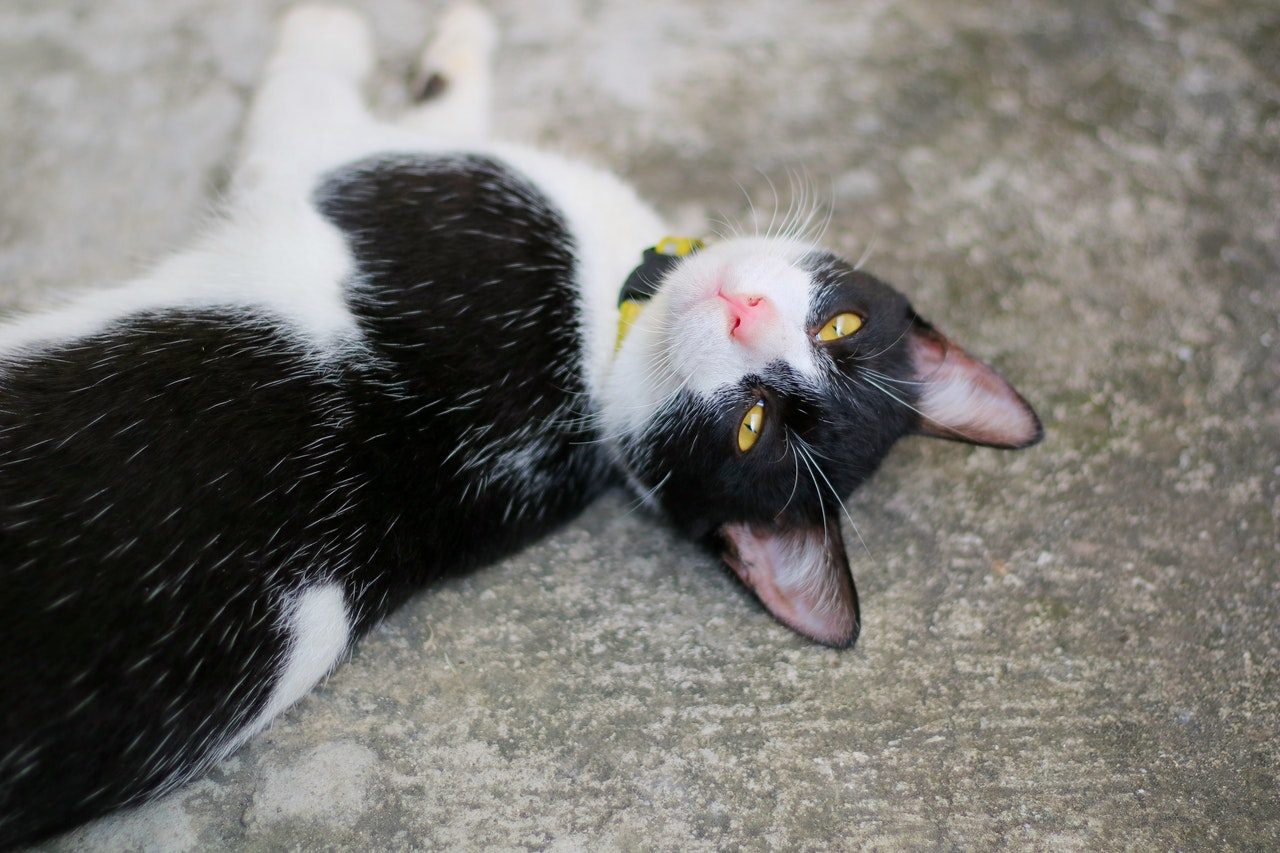
While large breeds like Maine coon cats typically have shorter lifespans – around 10-13 years on average – other breeds are known for their longevity. If you’re looking for a cat breed that’s more likely to live 15 years or longer, your best bets are Burmese, Ragdoll, Russian Blue, and American Shorthair cats. The American Shorthair lives an average of 15-20 years – as long as you keep your cat indoors. Outdoor cats typically have much shorter lifespans; sadly, most outdoor cats only live between 2 and 5 years.
Contracting infectious diseases from other animals, being attacked by predators, succumbing to toxins like antifreeze, being picked up and euthanized by animal control, being killed by humans, and being hit by cars are all contributing factors to the tragically short lives of most outdoor cats. Not only is keeping your cat indoors the best way to avoid a flea infestation, but it’s also the best way to ensure that your fur baby will live a safe, healthy life.
What health problems do American shorthair cats have?
The American shorthair cat’s ancestors – formerly known as domestic shorthairs – were brought to North America by early settlers. Initially bred to hunt rats, the American shorthair became one of the first breeds recognized by the Cat Fanciers Association. But modern-day American Shorthairs don’t do much rat catching. In fact, they can often become sedentary, leading to weight gain. While American Shorthair cats are a generally healthy breed, like all cats, they’re still susceptible to certain illnesses, including:
Diabetes mellitus
Just like humans, your feline friend can suffer from diabetes, or the body’s inability to produce enough insulin to regulate the blood sugar.
Dilated cardiomyopathy (DCM)
The most common characteristic of DCM is a dilated left ventricle that can’t contract properly, though the atria are sometimes enlarged as well. DCM is far less common today because its root cause – taurine deficiency – has been all but eliminated by feeding cats a proper diet.
Hypertrophic cardiomyopathy (HCM)
Contrary to popular belief, HCM isn’t the result of inadequate nutrition. Instead, the disease is hereditary and is commonly caused by a hyperactive thyroid. HCM is also the most common type of heart disease that affects cats, and it leads to hypertrophy (the medical term for enlargement and thickening) of the heart.
Hyperthyroidism
Caused by an overactive thyroid gland, hyperthyroidism usually impacts middle-aged and senior cats. Weight loss, vomiting, diarrhea, and changes in your cat’s coat are all warning signs of hyperthyroidism.
Kidney disease
Unfortunately, kidney disease in cats has numerous causes. Everything from ingesting toxins to infectious diseases can cause kidney disease and, in extreme cases, renal failure. Dehydration, loss of appetite, weight loss, and diarrhea are all common symptoms.
What are the symptoms of a cat dying?
If our love for our fur babies could keep them alive, all cats would live forever. Unfortunately, that’s not the case. Whether your feline companion has struggled with illness for years, or she’s a senior cat preparing to make her final transition, there are a few signs you should look for when your cat’s life is nearing the end.
- Decreased body temperature
- Loss of interest in grooming
- Incontinence
- Changes in odor
- Weakness
- Lethargy
- Loss of interest in favorite activities
- Lack of appetite and refusal to drink
- Changes in behavior, such as hiding or extreme clinginess
Final thoughts on cat lifespans
The only downside to sharing your home with a cat is that, one day, it ends. While American shorthairs live long lives for cats, they can never live long enough. You have our deepest sympathies if you’ve begun to suspect that your darling fur baby’s days are coming to a close – or if you have already bid your final farewell to your beloved cat. Be gentle with yourself during these difficult times. Remember that grief has no “correct” timeline, and everything you feel is normal and valid. Give yourself time to heal, and don’t hesitate to reach out for support if you need it.