Anemia isn’t just a human condition; your feline friend can suffer from it, too. Anemia in cats happens when the number of red blood cells (RBCs) falls below normal levels. The condition can occur for several reasons, including inadequate red blood cell production, destroyed red blood cells, or blood loss.
Though anemia in cats is treatable, it carries risks and requires special care from a veterinarian. What’s more, only a vet can diagnose anemia, but you may recognize some common red flags. If you think your cat is suffering from anemia, it’s essential to visit a veterinarian for medical attention. The sooner your pet receives help, the more likely it is they’ll have a positive outcome.
Types of anemia in cats
Anemia can be divided into two broad foams: Regenerative and nonregenerative:
- Regenerative anemia happens when the bone marrow attempts to respond to the reduced red blood cent count by producing new RBCs. Examples of this type include hemolytic anemia and blood loss anemia.
- Nonregenerative anemia occurs because the bone marrow has failed to produce new RBCs to replace those lost. It occurs due to kidney disease, bone marrow disorders, poor diet, and other chronic diseases.
It’s vital to note that multiple causes of anemia can be present in your pet. This tends to complicate the case, but it’s wise to listen to your vet’s advice.
Causes of cat anemia
KeepBear in mind that anemia is usually a symptom of many other conditions. Therefore, it can occur due to several reasons, as shown below:
Causes of regenerative anemia
- Blood loss
- Hemolysis
- Toxins
- Infections
- Genetic diseases
Causes of nonregenerative anemia
- Poor diet
- Kidney diseases
- Chronic diseases like liver disease, cancers, and adrenal disease
- Bone marrow disorders like feline leukemia virus and cancer

Signs of anemia in cats
The common signs of cat anemia include the following:
- Weakness
- Increased heart rate
- Pica
- Jaundice
- Paleness
- Pale pink or white gums
- Loss of appetite
- Drinking water excessively
- Lethargy
In addition to these signs, your cat may also show symptoms of an underlying disease, such as kidney disease, that’s causing the anemia. Cats that develop anemia gradually tend to show few signs until when the condition worsens.
Diagnosis of anemia
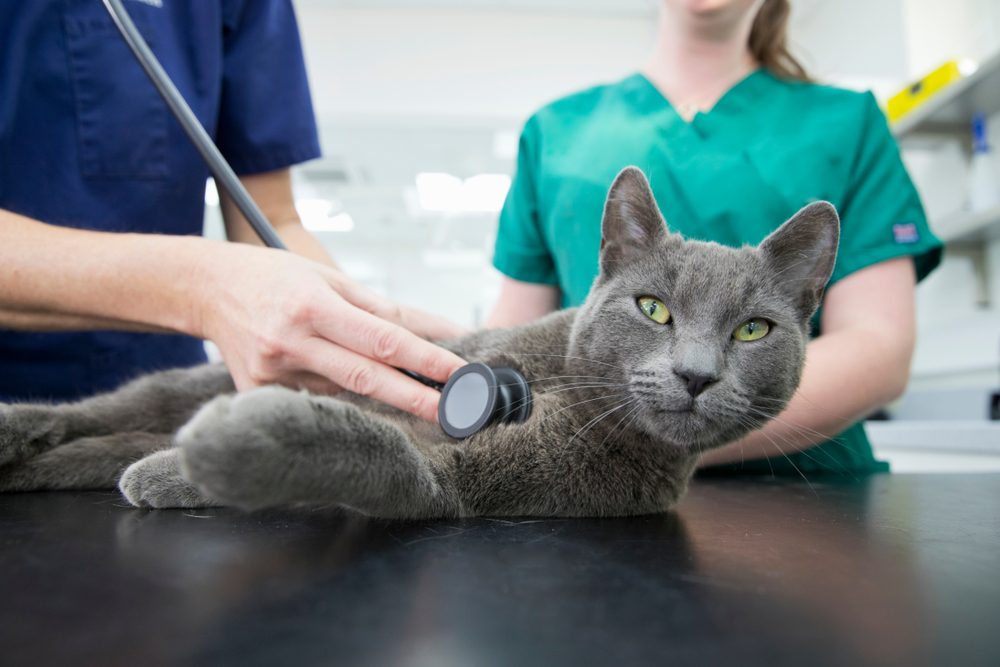
During your visit to a pet’s clinic, the vet will take a blood sample from your cat. The sample is placed in a machine that counts individual cells. Alternatively, the vet can carry out the packed cell volume (PCV) test to observe RBCs’ volume in the sample. The vet will use the test results to confirm that your cat has anemia. He or she will also use the results to determine whether the anemia is regenerative or nonregenerative.
Treatment: Increasing your cat’s red blood cells
Treating anemia in cats is usually specific, especially if your pet has an underlying condition. It can be supportive, symptomatic, or both. In supportive treatment, your cat gets a blood transfusion. This procedure is usually life-saving, particularly when the anemia is severe. Before the transfusion, the vet will determine their blood group and find a compatible donor. Severe cases might need hospitalization for easy monitoring of the condition.
Depending on the underlying condition, your vet may recommend several treatments, such as immunosuppressive drugs, antibiotics for infectious diseases, and iron supplements for iron deficiency. Some cases might also require surgery to address the underlying condition. If your cat has kidney disease, the vet can recommend long-term hormone treatments to help the kidneys produce RBCs. Steroid treatment or other immunomodulatory drugs are usually ideal for anemia that’s caused by an auto-immune disease.
If you’re looking to increase your cat’s iron, good sources include the following:
- Lean meat like turkey, chicken, beef, or pork (trim the fat off any pork products first)
- Fish
- Eggs (but only as a treat and not as a staple of their diet)
Check with your cat’s vet before making any changes to their diet.
Prevention of cat anemia
They say prevention is better than cure, so here are tips you can use to care for your cat to prevent the condition:
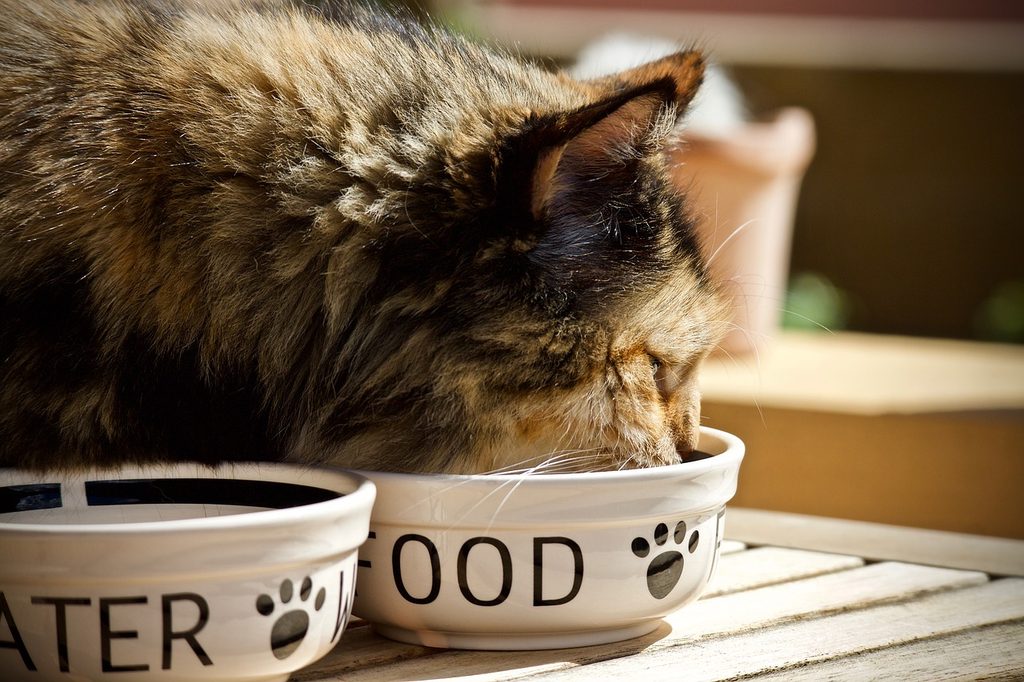
- Give balanced and nutritious cat food.
- Strive to keep your cat indoors to avoid injuries.
- Take your cat for veterinary tests at least once a year.
- Use parasite-prevention products to keep them safe from lice, ticks, fleas, and intestinal parasites.
- Ensure they are nowhere near toxins.
Bear in mind that some types of anemia are preventable when you follow the above tips. More importantly, always take any new signs seriously and seek medical attention.

Final thoughts
If your cat has anemia, don’t panic. Even though some anemia cases can be life-threatening, seeking early veterinary attention can help manage the condition. It’s even possible to reverse mild cases with the right veterinary care. The recovery period depends on the cause of the anemia. Many cats respond well to treatment with optimal care.