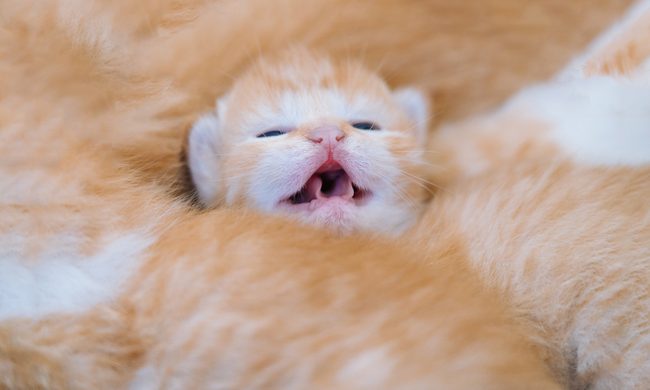
We understand. You love your cat, and you feed her well. So, when your cat decides to catch and kill a mouse or other small animal, it can be hard to comprehend, especially when she brings the catch to you and lays it, with pride, at your feet.
Why would a well-fed, well-loved member of the family choose to behave like this? Cats think a dead mouse is a gift, even though it’s not one their human family members typically appreciate. You can’t stop the habit completely, but here are some tips to slow down the constant parade of dead animals into your home.
About that cat of yours
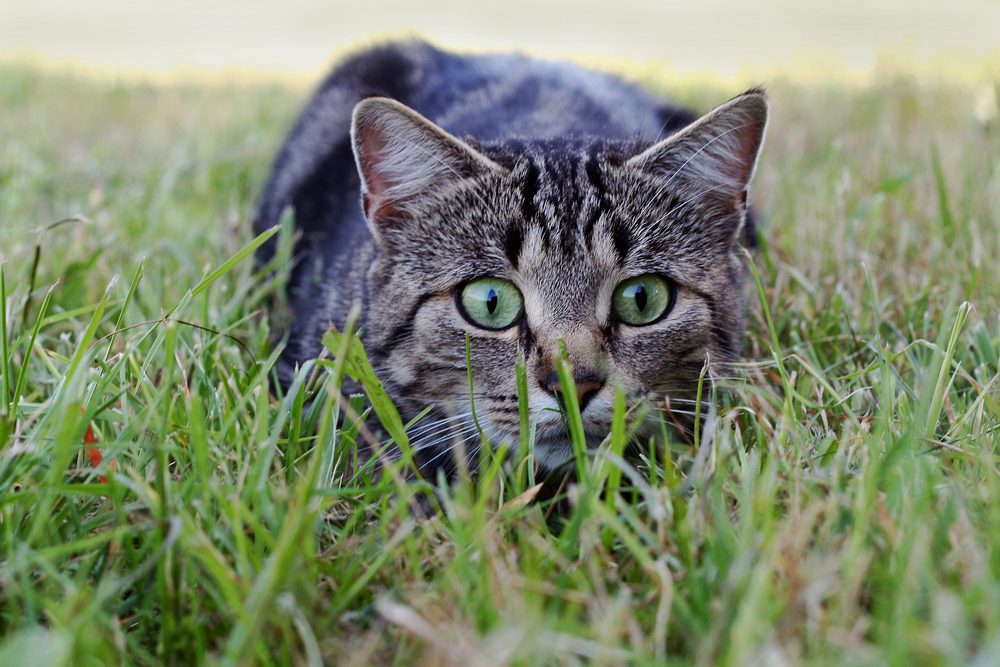
She’s a natural hunter. The instinct to eye, stalk, pounce, grab, and then kill is innate. In fact, early accounts of human and cat interaction suggest that Egyptians partnered with wildcats because they kept their granaries free from rodents.
Cats were eventually domesticated by the Egyptians as early as 1500 B.C. and proclaimed sacred animals in the fifth and sixth dynasties. Some say, based on ancient Egyptian drawings, that the tabby cat may be a direct descendant.
Millennia later, these true carnivores still thrive on hunting and killing their meals, no matter how tame they’ve become. Cats need to eat meat to survive. That’s why commercial cat food contains taurine, an amino acid found in animal proteins that is necessary for the health of your cat’s vision, digestion, heart muscles, and immune system.
Why do cats bring you dead animals?
It’s a gift in the truest sense. Your cat considers you family, and as such, it’s her responsibility to provide for you. It’s also her way of teaching you how to hunt for yourself.
One of the ways cats in the wild — big and small — teach their young survival skills is by bringing home injured or dead animals. Domesticated cats like yours are still natural parents and teachers. Even if she’s spayed or never had a litter of kittens, your female cat may still exhibit these natural tendencies with her adopted human family.
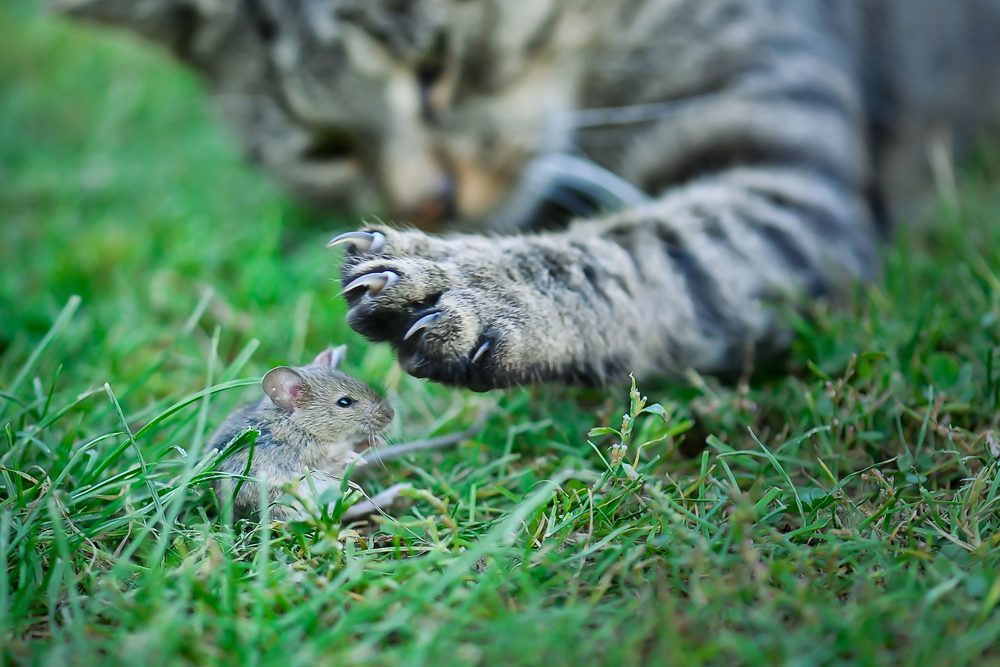
Besides, it’s fun. What good is having all this talent if you can’t exercise it? Stalking, chasing, and pouncing are all elements of cat play. Expensive catnip and wand toys aside, the thrill of actually chasing and catching a live object is much more exciting. Her offering may merely be a way of showing you her latest trophy so that you can praise her as a mighty huntress.
How to decrease the slaughter
Although receiving dead animals as gifts is unsavory at best, realize your cat is happy and healthy. And she loves you. Her constant gifts are simply her way of exercising the hunting-and-providing characteristics her ancestors have passed along.
Since these are highly evolved tendencies, trying to completely squelch this behavior could be stressful for your cat (and totally frustrating for you). Instead, look for ways to minimize the risk to the small animals in your yard while exercising your cat’s instinct to hunt and provide. Here are a few tips:
- Put a bell on her collar. This will make it more difficult for her to sneak up on birds and rodents in the first place.
- Keep your cat inside just before sunrise and sunset. That’s when small rodents are most likely to be out and about.
- Restrict access to any bird feeders or birdbaths in your yard. Place them in areas she can’t get to or at a height she won’t attempt to reach.
- Keep rodents out of her space. Check the interior and exterior of your home for any holes or spaces where they might enter. Store all food in airtight containers to prevent temptation and infestation.
- Fulfill her need to chase and capture with interactive toys. Wand and kick toys that satisfy her prey drive are good ways to indulge her natural urges without causing harm to another living animal.
So, how should you accept future gifts? Graciously, especially when they come from your well-meaning cat. Praise her, then discreetly dispose of it as soon as possible. Whether the gift is parental, charitable, or simply instinctual, it’s a natural part of being a cat she simply can’t ignore.
Plus, she’s right, you know. You probably aren’t any good at catching birds and small rodents. And, most certainly, your cat wouldn’t understand your explanation about not wanting to learn in the first place. We suggest you “agree to disagree” on this matter. Resolve to implement our strategies for minimizing the number of future incidents and concentrate instead on enjoying your kitty’s other, more redeeming qualities.