Cats are creatures of habit. Unlike us, they are content to eat the same food for every meal day in and day out. However, there are still times when it may be necessary to switch your cat to a new food. Your cat’s nutritional needs can change throughout his lifetime due to aging and medical issues. To ensure he stays energized and healthy, you may need to provide a new type of food. So, is your cat due for a change in his food? Here’s how to know if it’s time to swap out your kitty’s food for something new.
Changing life stages
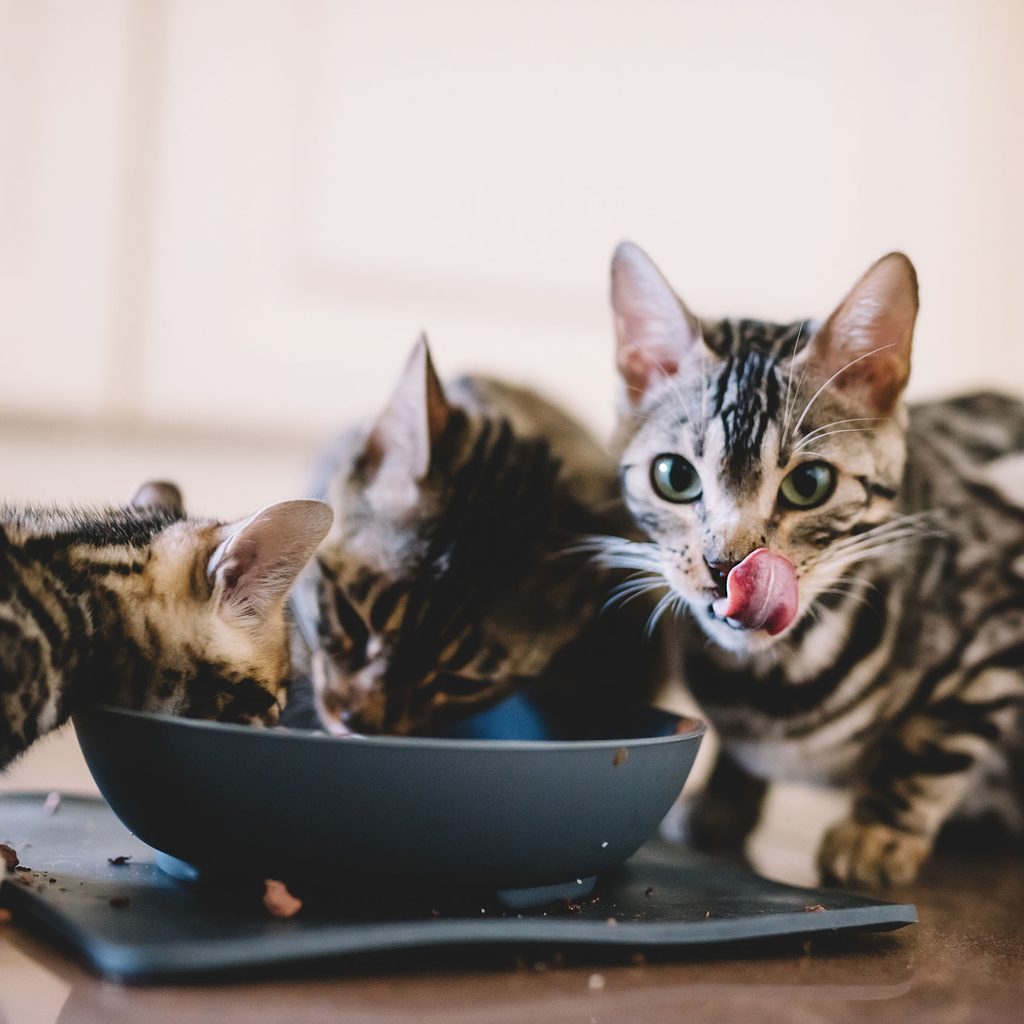
As cats age, their dietary needs change. Cat life stages can be broken down into three periods: kitten (birth–1 year old), adult (1–7), and senior (7+). Since kittens are still growing, they need food that’s high in protein and calories. Adult food is the most common type on the market and suits the nutritional needs of cats ages 1 to about 7.
Older cats are less active and should be fed low-calorie food that’s high in fiber. Some senior cat foods contain supplements like glucosamine and fatty acids to provide mobility support. Avoid food that is labeled as being for all life stages. It can overload your cat with fat and nutrients, which could be harmful in the long run.
Weight problems
Pet obesity is regrettably common these days. Because cats are so small, it doesn’t take a lot for your furry little friend to add on a few pounds. If your vet believes your cat needs to lose some weight, they may recommend switching to a different food brand.
You may need to feed your cat a food specially formulated for weight loss. The food should contain the essential vitamins, minerals, and nutrients your cat needs with fewer calories. The vet may also recommend you play with your cat more to help him exercise and become more active. In no time, your cat will get back to a healthy weight and have more energy.
Skin irritation
Feeding your cat the wrong food can lead to skin irritation and a dull coat. Fatty acids are essential to keeping your kitty’s skin healthy and his coat nice and shiny. Try to find a food rich with omega-3 and omega-6 fatty acids.
If your cat is itchy, too, he may be allergic to his current food. Switching to a low-allergen diet may limit the number of allergens he is exposed to. Consult your vet first to determine whether your cat has an allergy and whether switching foods will help.
Medical issues
If your cat regularly has digestive problems, his food may be to blame. Food intolerance or low-quality food can cause chronic flatulence, stomach rumbling, and loose stool. Kitty’s upset stomach can be just as distressing for you as for him. Talk to your vet to determine the best remedy for your cat’s digestive issues. They may recommend switching to a higher-quality variety or a sensitive-stomach diet.
Following a surgery, illness, or stressful event, your cat may be understandably lethargic or weak. You can boost his immune system and shorten recovery time by feeding him a diet high in antioxidants. But if your cat seems tired for no discernible reason, schedule an appointment with the vet before changing Kitty’s diet.
Taste
Can cats taste? Yes, though not as well as we can; they have a measly 470 taste buds compared with our 9,000. For cats, smell and texture are much more important. Although cats typically don’t crave variety, they can still be picky about their food.
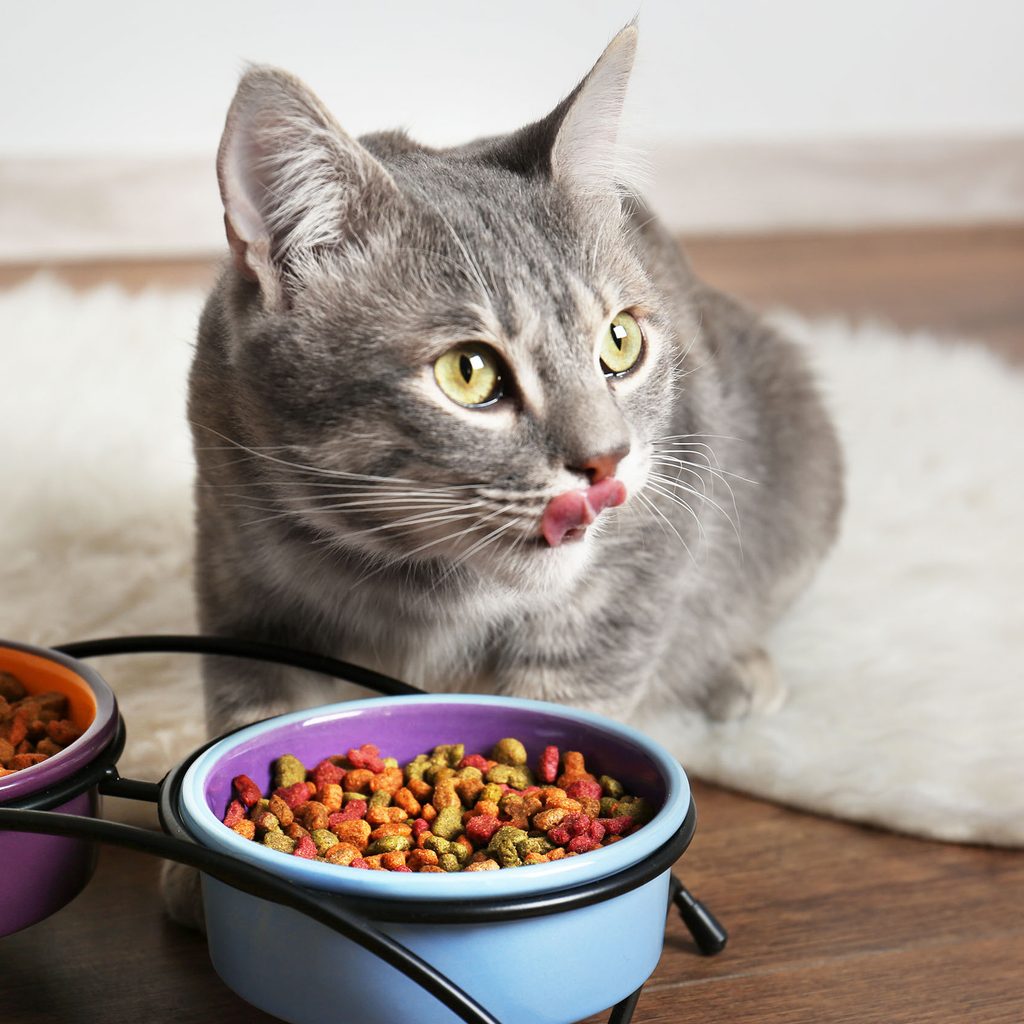
If your cat seems less than enthused about his current food, you can make it more appetizing by adding wet food as a topper. Or you can switch him to a food with higher protein levels that will smell more enticing to him.
Feeding your cat a healthy diet is one of your main responsibilities as a pet owner. Ensuring he is getting the nutrients he needs is essential for his overall health and happiness. Not all foods on the market will give your cat what he needs, but fortunately, our guide can help you better understand your kitty’s nutritional needs and find a food that fits.
Whether he’s getting older, has a medical condition, or is just bored with his food, it may be time to switch things up. If you suspect your cat requires a dietary change, be sure to talk to your vet first. They can diagnose any underlying health problems and help you find a new food that your kitty will love.