Many cat parents choose to get a kitty because they’re low-maintenance pets. Just introduce a cat litter box to them, and they’ll take care of the rest themselves. While they don’t require daily walks or constant attention, your feline friend does need your help in keeping their litter box clean. Just like you don’t appreciate the odors that come from the litter box, your cat is also turned off by foul smells in their potty. To help keep your pet healthy and happy, we’ve got the scoop on the right way to clean your cat’s litter box. It’s the purr-fect guide to a smell-free feline toilet.
Daily maintenance
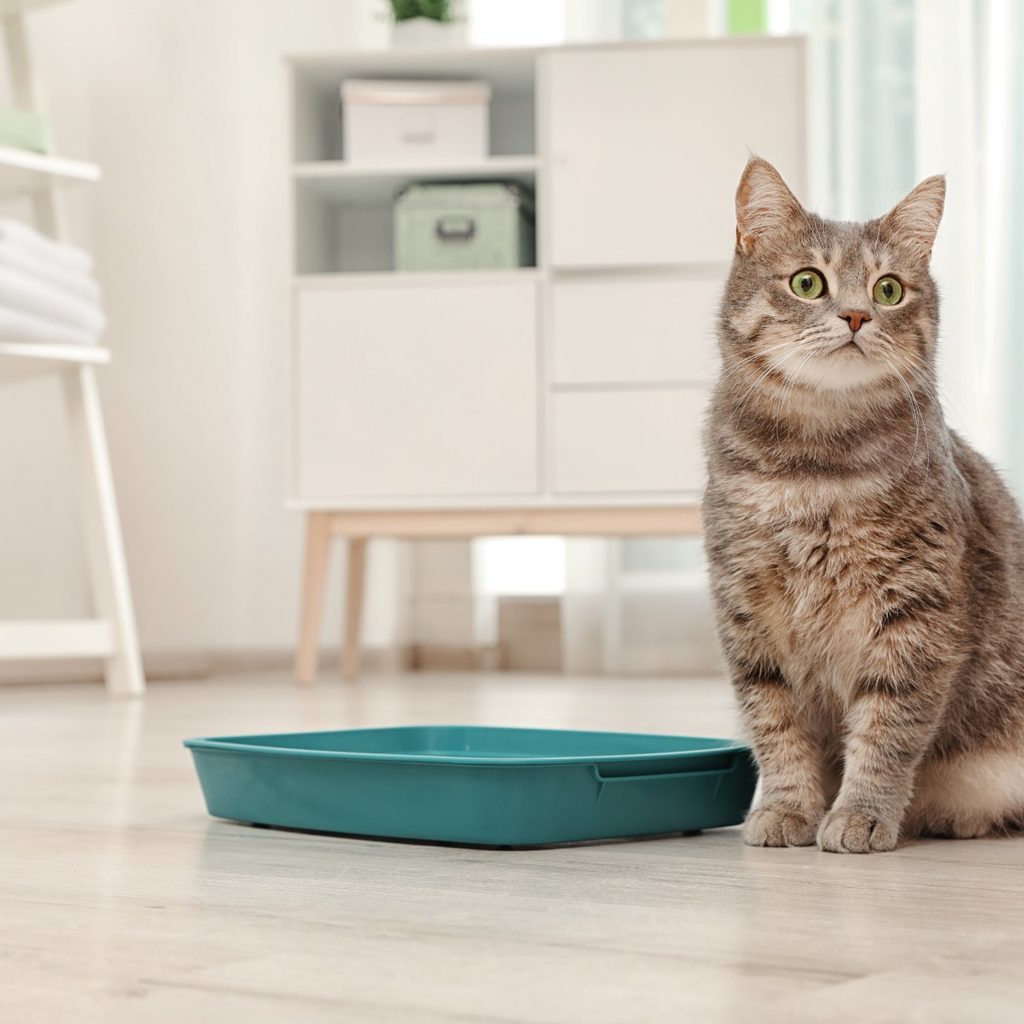
On average, healthy cats pee two to four times per day and poop once a day. This means that you can expect your adult cat to use the litter box three to five times a day. If you have a kitten, they’ll probably go more often.
If your cat could speak, they’d ask you to clean their litter box twice a day. But many cat parents aren’t home most of the day. If that’s your case, a single daily scoop should do the trick for your kitty.
Any less than that and you could start to see problems with your cat. An unclean litter box causes your cat to hold it in, which can lead to kidney and bladder issues. And when they can’t hold it any more, most cats find another spot to use as a toilet.
To avoid stinky messes and health problems, get in the habit of cleaning your cat’s litter box one to two times per day. A quick pickup is all it takes for you and your kitten to enjoy a clean and fresh home.
Full litter change
The ideal frequency to change cat litter depends on your pet’s needs, your personal preferences, and the type of litter you use:
Clumping clay litter: Once every 2-3 weeks.
Non-clumping clay litter: Twice a week.
Pellet or other natural litter: The cleaning requirements of natural litter vary greatly. For best results, keep an eye out for odors and peek in the box to see if it’s wet or clumped.
While a litter box liner is not required, many cat parents find them convenient. You can just pick up all the litter and toss it. But if your cat likes to scratch the bottom of their box, the liner will most likely shred.
After removing the old litter, give the box a good wipe with soap and water. This removes any feces residue and keeps the box clean for your tidy friend. Regular washing of your cat’s litter box also keeps the plastic from absorbing odors, so you don’t have to replace it as often.
Once the box is all cleaned up and dry, add 2-3 inches of fresh litter. This is just enough for your cat to be able to dig a little, but not so much that they dislike it. If you have a long-haired cat, consider adding less litter to keep it from getting stuck in their hair.
Homes with multiple cats
Litter box maintenance requires a little more work for homes with multiple cats. Since many cats don’t like to share a litter box, you’ll likely need one for each plus an extra just in case. That way, if you have picky cats there’s always a fresh box for them to use. Keep the boxes dispersed around your home to keep the cats content and avoid territorial issues.
Handy tips and tricks
• Adding a thin layer of baking soda to the bottom of your cat’s litter box helps absorb odors.
• For a deeper box clean, use vinegar and water to wash it.
• Don’t use bleach to clean the litter box because it can interact with ammonia in your cat’s urine.
• Place the box in a quiet spot that offers your cat privacy and convenience.
• Keep the litter box far from your kitty’s food and water.
• If you move your litter box to a new place, be sure to show your cat where it is.
• If your cat stops using the litter box and you’re keeping it clean, contact your vet to make sure there are no medical conditions affecting your pet.
Cats are tidy pets that appreciate clean environments. They’re the perfect furry companion if you’re looking for a low-maintenance pet that likes to keep things as neat as you do. Keeping your cat litter box in ideal conditions only takes a little daily maintenance and regular full cleanings, as needed. Once you have a better sense of your cat’s habits and toilet needs, you’ll be able to keep things pleasant and odor-free for both of you. This means extra cuddles and snuggles!