With the shift to remote work prompted by the COVID-19 pandemic, many employees found themselves working from home, often with their pets by their side. Having a cat supervise your work throughout the day can have many benefits, including stress reduction and companionship. But just because more workers are returning to their offices doesn’t mean this trend of working with a cat alongside has to end. Office cats were already popular before the pandemic, and we think that they’re likely to only gain in popularity. If your workplace doesn’t yet have an office cat, now might be the perfect time to suggest the idea to management. Here’s why.
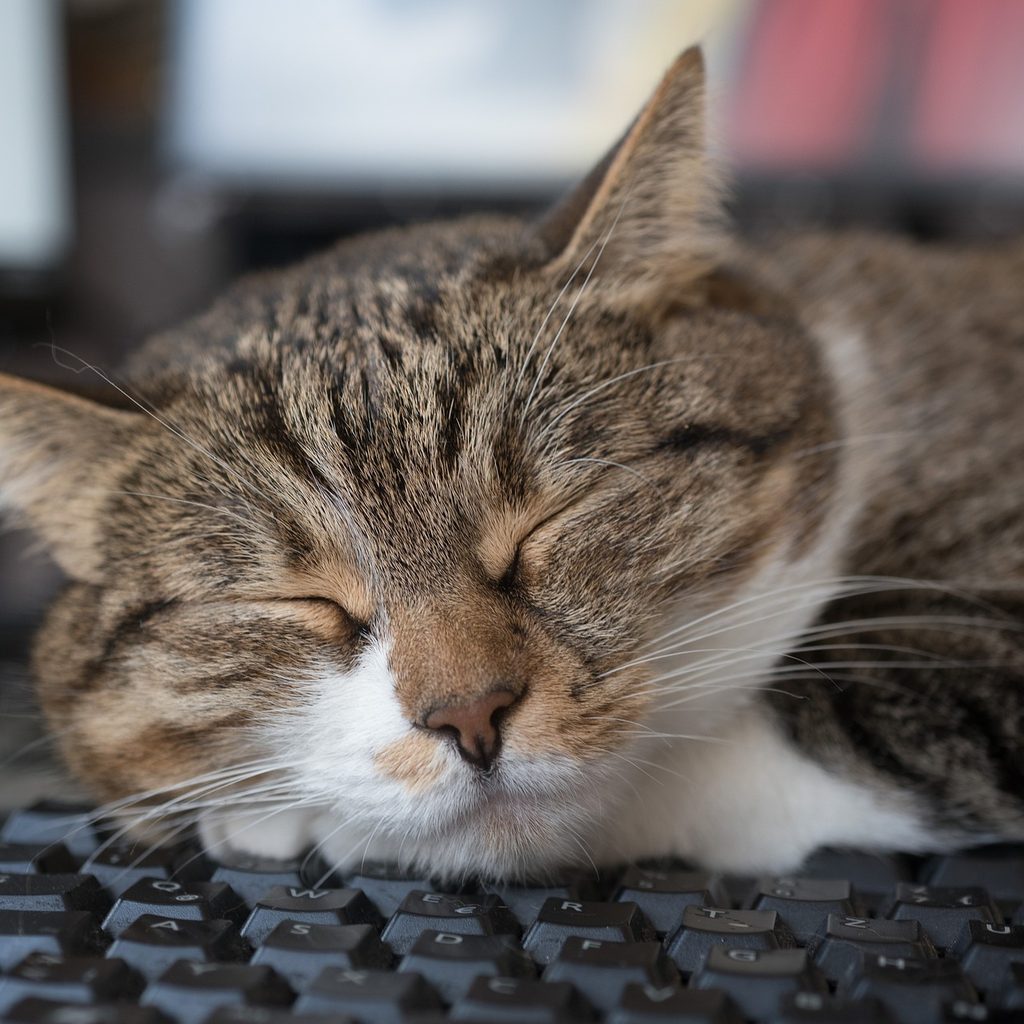
What is an office cat?
There are many versions of office cats, and the right option will really depend on your business model and your cat. Some businesses have open pet policies, allowing employees to bring in their pets. While this model works well with dogs, it’s a bit less common with cats, especially since cats don’t always love car rides or do well in unfamiliar settings.
What’s more common is for an office to have an official office cat that lives there most of the time. The cat might go home with an employee on weekends and holidays, but the office largely becomes the cat’s residence. This also works well for stores, where cats move in full-time and provide the perk of mouse control.
What are the benefits of an office cat?
Having an office cat can be beneficial in many ways. According to Business Insider, both cats and dogs can help to reduce stress and increase productivity. When a cat visits your workstation, it can be a reminder to take a break, which supports productivity.
Pets can also encourage office staff to interact with each other, and they’re great conversation-starters. This is ideal when you’re bringing new staff into the office since the pets can act as an icebreaker and help staff get to know each other faster.
An office cat can also be a source of company for workers who may be in their offices alone. The sound of purring can be relaxing, and taking a break to pat or play with a cat can get workers to leave their desks, which can help to relieve stiff muscles and increase worker comfort.
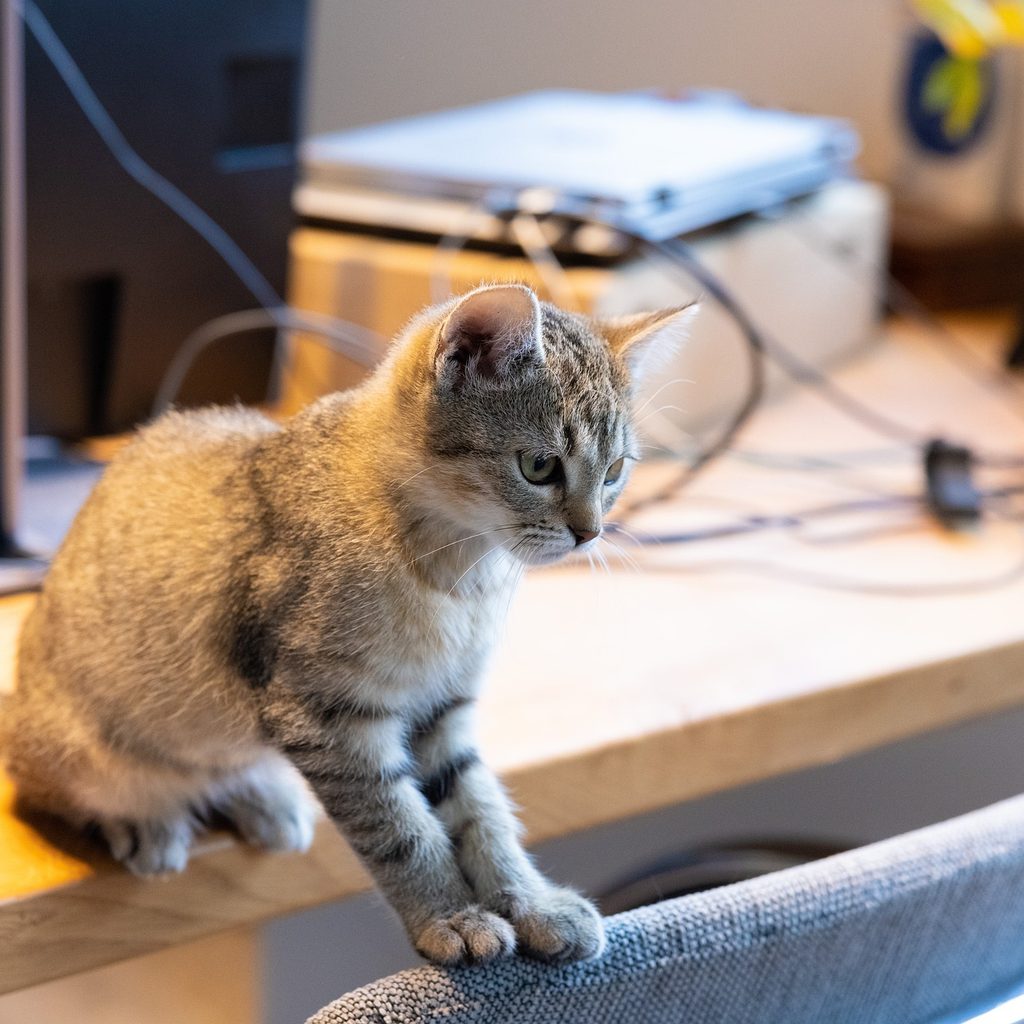
Is it okay to have an office cat?
Getting an office cat isn’t a decision that should be made lightly, and it’s important to consider how this arrangement will affect both the cat and the staff. First, make sure that you can provide a cat with a safe and healthy environment. Cats can be very social, and if there are only people in your office from 9 to 5, the cat will be alone most of the night. Would the cat be happy going home with an employee? Can you create an environment where the cat isn’t likely to escape, or are people coming and going throughout the day, and could the cat possibly get out?
If you can create a safe and healthy environment for the cat, then think about how having an office cat might affect your employees. Many people love cats, but that doesn’t mean that all of your employees will enjoy having a cat around all the time. Many people can have allergies to cats, and you don’t want to risk making an employee unsafe or creating a work environment that’s unhealthy for an employee. You’ll also want to think about where the cat will live in the office, where his litter box and food will be located, and how the business will pay for expenses like food and vet bills. You might decide that it’s better to allow employees to bring their cats in periodically, but this will also require careful planning.
If you do decide to bring in an office cat, then plan on having plenty of discussions with employees about the cat in advance. The more details you can identify and problems you can solve ahead of time, the better. Cats can add warmth and plenty of fun to workplaces, but they also need plenty of care and attention. You might need to try out different arrangements and determine which is best for your business, your employees, and the cat, too. With some careful planning, your employees can enjoy the perks of having a cat in the workplace, and the cat can enjoy being the center of attention of an office full of workers.