Can cats have autism? This is a question that might have crossed your mind as you try to decipher your cat’s behavior patterns. Even though the diagnosis is centered on human behavior, many pet lovers and experts have discovered similarities between special-needs cats and people with autism. Still, cats are typically only labeled as special needs if they have a diagnosed physical or mental disability.
There are several behaviors in cats that are similar to those found in humans on the autism spectrum. These include:
- Not wanting to be held or touched
- Avoiding eye contact
- Repeating the same actions
If this all sounds new, don’t worry. We’ll go over important terms and answer common questions regarding autism in cats.

What is autism?
Autism is a spectrum of behaviors affecting a person’s ability to communicate and interact with their external environment — and other people. This means no two people with autism will have the same experience.
The most common traits in people with autism include:
- Difficulty adjusting to change
- Difficulty with sensory processing (sensitivity to sounds, noises, lights, etc.)
- The desire for organization, routines, and predictable situations
- Repeating sounds or motions
People with autism may also prefer to be (or feel more comfortable being) alone, often passing up opportunities to play or work in a group. Lastly, people with autism can develop a “special interest” or a deep passion for a subject that shows itself in conversation topics, hobbies, and even talents.
Can cats have autism? What special needs can cats have?
In a nutshell, cats can’t have autism in the sense people do, but they can be diagnosed with other similar conditions. Remember that most of these needs stem from physical disabilities or old age. For instance, some cats only have two or three limbs, classifying them as special needs.
Other common special-needs conditions are blindness, deafness, and immobility. Beyond physical disabilities, though, some special-needs cats have mental impairments. These conditions may result from birth defects, accidents, or illnesses. Some cats even have Down syndrome-type symptoms, including:
- Wide-set eyes
- Poor hearing
- Poor vision
- Unusual facial features
- Uncommon behaviors
In this case, check in with your vet to find the exact causes and how to properly care for your fur baby with special needs.
What cat behaviors are similar to those of autism?
When you think about it, cats do exhibit some traits common in people on the autism spectrum. They can become obsessed with hunting or chasing certain things. They enjoy their alone time. They may get easily overstimulated or spooked by loud noises, bright lights, and even too much affection. Cats also enjoy routine and are highly intelligent.
Cats might also make strange noises that lead some owners to deduce that their pet has a condition like autism. This is unlikely, though, because cats make a wide range of noises for different reasons. Moreover, these noises differ between breeds.
Nevertheless, these are typical cat behaviors, and research concludes that cats cannot have autism.
If your cat is acting very strange, or you suspect something is up, a call with the vet or a wellness checkup is always beneficial. Your veterinarian might be able to identify some lurking issues that explain your cat’s behavior.
What is the process of diagnosing a special-needs cat?
As Blue Pearl Pet Hospital explains, many neurological conditions are diagnosed “based on clinical signs,” like behaviors and physical features. In some cases, a CT scan or X-ray might give veterinarians the details they need to make a proper diagnosis. Always avoid self-diagnosing your pet, even if you think you already know what’s going on.
Why is my cat so strange?
How can I calm down my overstimulated cat?
Some cats get overstimulated and you should step in to help if that happens. Some signs of overstimulation are:
- Dilated pupils
- Flat ears
- Biting motions
Overstimulation can also be a common reason behind aggressive cat hissing. One way to prevent overstimulation is to give your cat enough safe outlets for their energy and boredom. If your cat escapes looking for entertainment, they might instead find themselves overwhelmed by the outside world. Needless to say, that can be dangerous!
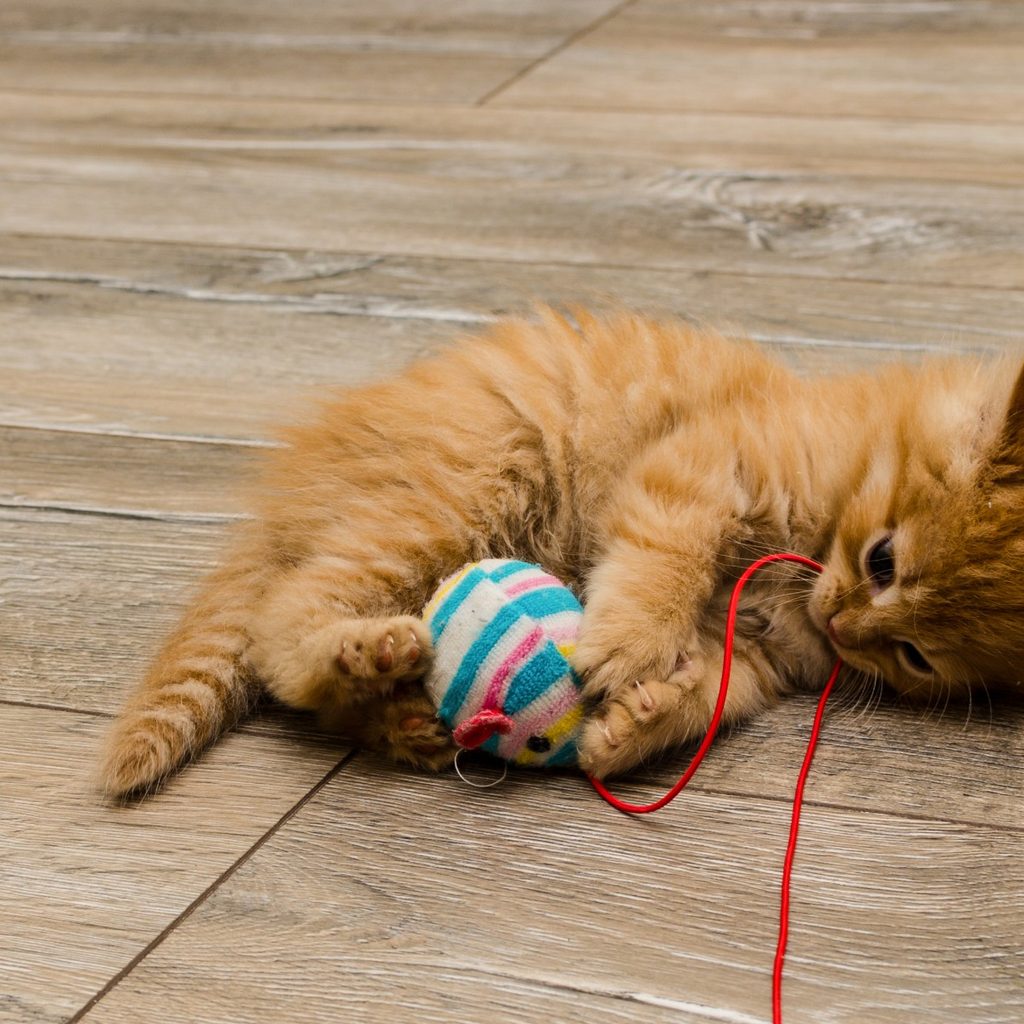
Interact with your cat regularly. Make time each day for dedicated playtime. Use engaging items like lights, chase-the-prey toys, and treat-dispensing toys for a set amount of time. (If you let your cat play endlessly, they might become overstimulated, obsessed, or restless.)
If your cat has reached their boiling point, let them be so that they can soothe themselves. When they come to you seeking comfort, simply stay by their side and wait until they are ready to initiate contact or play.
Another great habit is to keep your cat’s routine very regular. This reduces any anxiety from irregular schedules or sudden changes.
Supporting your unique cat isn’t always difficult
If you’re considering bringing home a cat with some unique behaviors, it’s important to ensure your whole family is on board. Everyone must work together to create a supportive environment for your cat. This may involve some adjustments, like giving your cat access to their own spaces in the house where they won’t be disturbed and resisting some of the habits you might have developed with other cats, like patting your cat as you walk past him.
A cat behaviorist may help you better understand why your cat does some of the things they do. A behaviorist has extensive training in and knowledge of cat behavior and can help provide some solutions for behavior issues that you might be experiencing with. Your veterinarian should be able to refer you to a qualified local cat behaviorist.
Your cat might be introverted, very smart, and obsessed with toys, but this doesn’t make them autistic. Additionally, they might have physical abnormalities that prevent them from participating in typical activities. These special-needs cats require lots of nurturing and care, but with you as their pet parent, they’re in good hands.