If you’ve noticed your cat chewing on a cardboard box, shredding paper, or gnawing on the corners of your paperback book, you’re observing what is a pretty common behavior for cats. Some cats may chew, shred, and even eat bits of paper, and often, it’s harmless. But there are instances where this behavior goes a little too far and can put your cat’s health at risk. If you’re wondering, “Why does my cat eat paper?,” chances are that you don’t really have to worry. But it’s a good idea to familiarize yourself with what to look for so you know if your cat is overdoing it and might need you to step in to help him break this habit.
Why do cats eat paper?
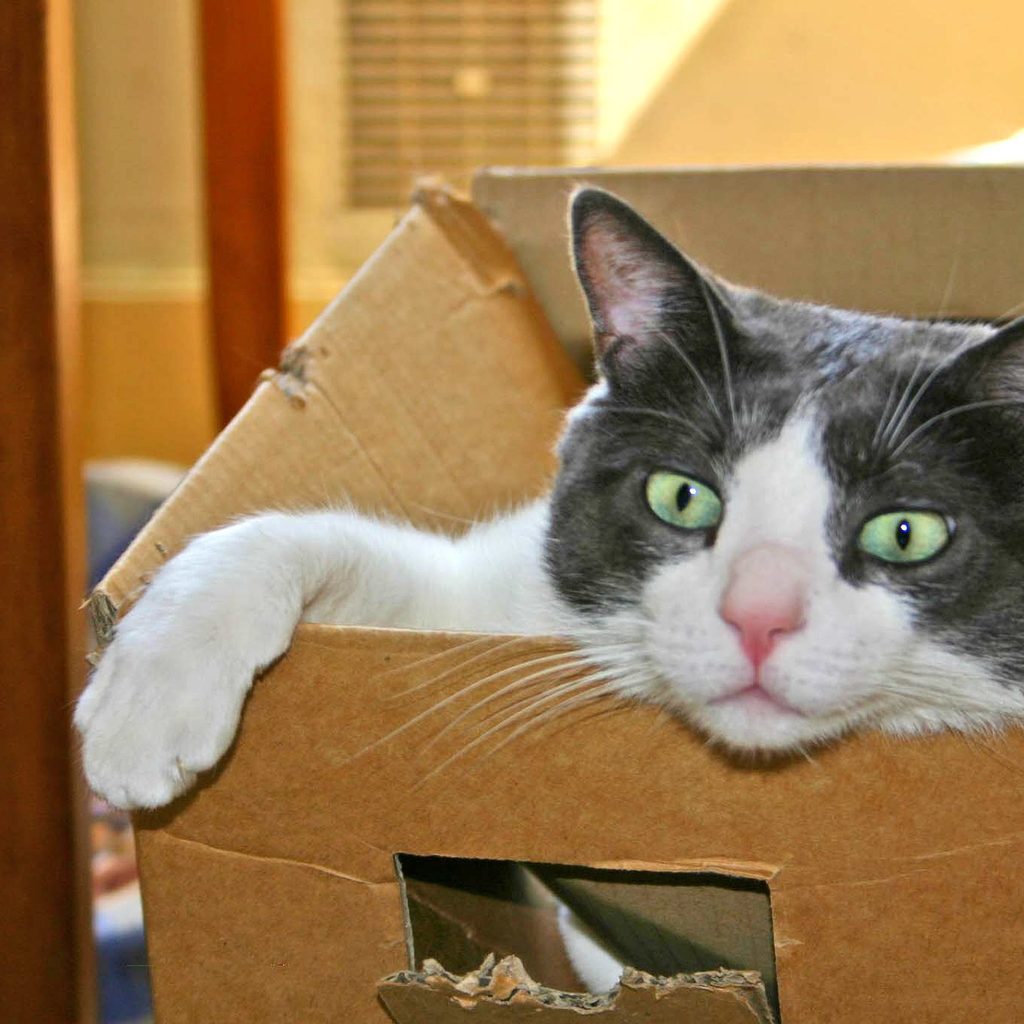
A cat eating paper isn’t an unusual behavior — in fact, paper and cardboard can be super tempting for kitties. Paper and cardboard have an appealing texture that some cats seem to love. They make a great sound when cats scratch at them, and shredding paper is tons of fun, especially for younger cats and kittens. Some kittens may even seek to teethe on paper and cardboard.
As your cat plays, he might naturally chew on and even swallow some paper. Done in moderation, it’s usually no cause for concern. But you do need to watch your cat and make sure that his paper eating doesn’t become a habit.
The problem with eating paper
In most cases, your cat might ingest a little paper while playing, and that paper will work its way through his digestive system just fine. However, if your cat is eating lots of paper, or if he’s eating paper frequently, his health might be at risk.
Large amounts of paper could lead to a digestive obstruction, and your cat might need emergency surgery to save his life. Some paper has inks, bleaching agents, or dyes on it, which could harm your cat’s health if he eats enough of them.
Signs your cat might have a paper-eating problem
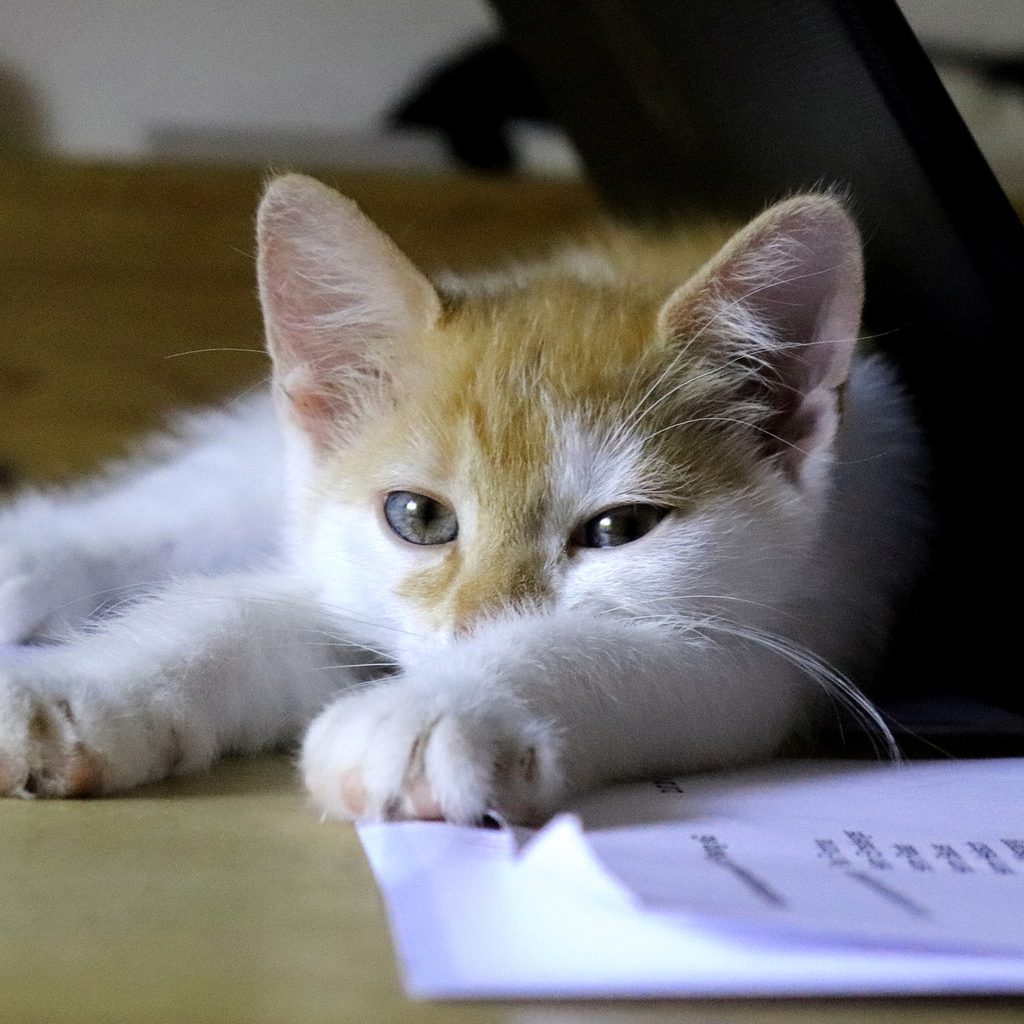
While many cats will naturally play with and even eat a little paper, if you notice this behavior increasing, your cat might be showing signs of an underlying issue. Sometimes boredom will prompt cats to chew on and shred paper and boxes around the house, but it’s also possible that your cat is feeling sick. Conditions like diabetes, kidney disease, and more might prompt your cat to start eating non-food items, including paper.
It’s also possible that if your cat starts to eat non-edible items like paper, he could have a condition called pica. Vets don’t yet know why pica occurs in cats, but the condition can prompt a cat to eat large amounts of paper or cardboard, as well as other objects. This can be extremely serious and might lead to health risks, blockages, and other issues. Some cats will grow out of pica, but others may have the condition long-term.
If your cat is eating large amounts of paper or cardboard, then start by taking him to the vet. An examination may identify a health issue that needs attention. Your vet can also help you determine whether your cat has pica and can provide specialized advice based on your cat’s unique situation.
If your vet determines that your cat’s paper-eating habits are unhealthy, then you may need to make some changes around the home. Start by removing paper and cardboard from within your cat’s reach and put these items away securely in cupboards or closets that your cat can’t access. If you’ve been playing with your cat using paper balls, then buy some cat toys to replace the paper that you were using. Look for toys that are designed to be satisfying to chew and consider getting some catnip, which your cat can safely ingest.
Final thoughts on paper eating
Sometimes, stress or boredom can contribute to cats eating paper or cardboard, so look for ways to help your cat feel secure and content in his home. Make sure to include plenty of playtime each day, and give your cat some toys when you leave the home to help keep him occupied. If there’s been a recent change in your home, like the addition of a new family member, you might need to support your cat in other ways, such as by giving him his own room or ensuring he gets plenty of attention during this transition period. Getting to the root of your cat’s paper- or cardboard-chewing habits can take some time, and you might need to try multiple things before you find a solution that works for your cat. Keep in mind, though, that you’ll be helping to keep your cat safe and healthy, so all the effort will be worth it in the end.