Pet accidents, dirty laundry, stagnant air, and garbage are all common causes of an unpleasant smell. And if you’re a cat parent, managing the kitty litter box can be a smelly proposition in itself. So what’s a self-respecting homeowner to do?
Burning incense is among the various methods you can use to make your home smell nice, but is incense bad for cats? It’s important to learn whether the benefits of having a pleasant-smelling home outweigh the potential health risks that burning incense poses for your cat. If you love the smell of incense but worry that it’s not good for your feline friend, this is everything you should consider.
What is incense? A primer on the centuries-old aromatic biotic material
Incense is made of plant materials and essential oils that are pressed onto a bamboo stick or shaped into a cone or block. When burned, it produces a fragrant smoke that is used for religious ceremonies, meditation, or simple everyday ambiance.
Burning incense dates back as far as ancient China, where it was used for worship and prayer. Egyptian priests were also believed to have used it in ceremonies and to fumigate tombs. Today, the world’s main producer of incense is India, where it is a fundamental part of the Hindu religion.
Some of the most popular scents include:
- Sandalwood
- Cinnamon
- Frankincense
- Myrrh
- Palo santo
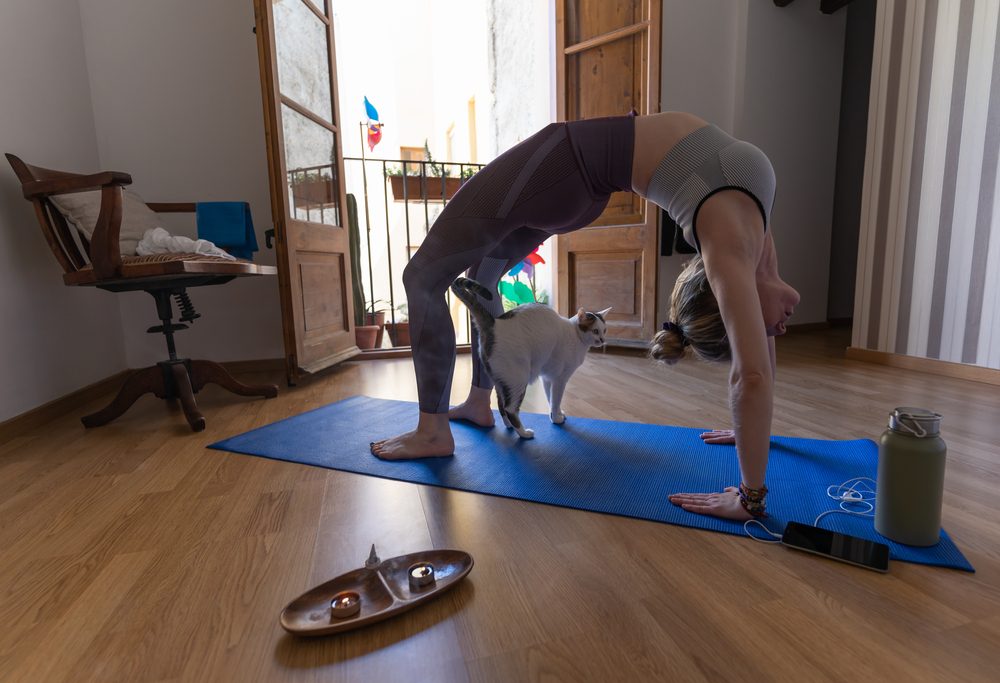
Today, incense is often used during meditation and yoga, as a way to reduce stress and anxiety, as a sleep aid, and as part of religious practices (Pagans, Christians, and Buddhists also incorporate the use of incense in their rituals and services).
Is burning incense bad for your cat’s health?
Experts at Preventative Vet say incense can be harmful for several reasons:
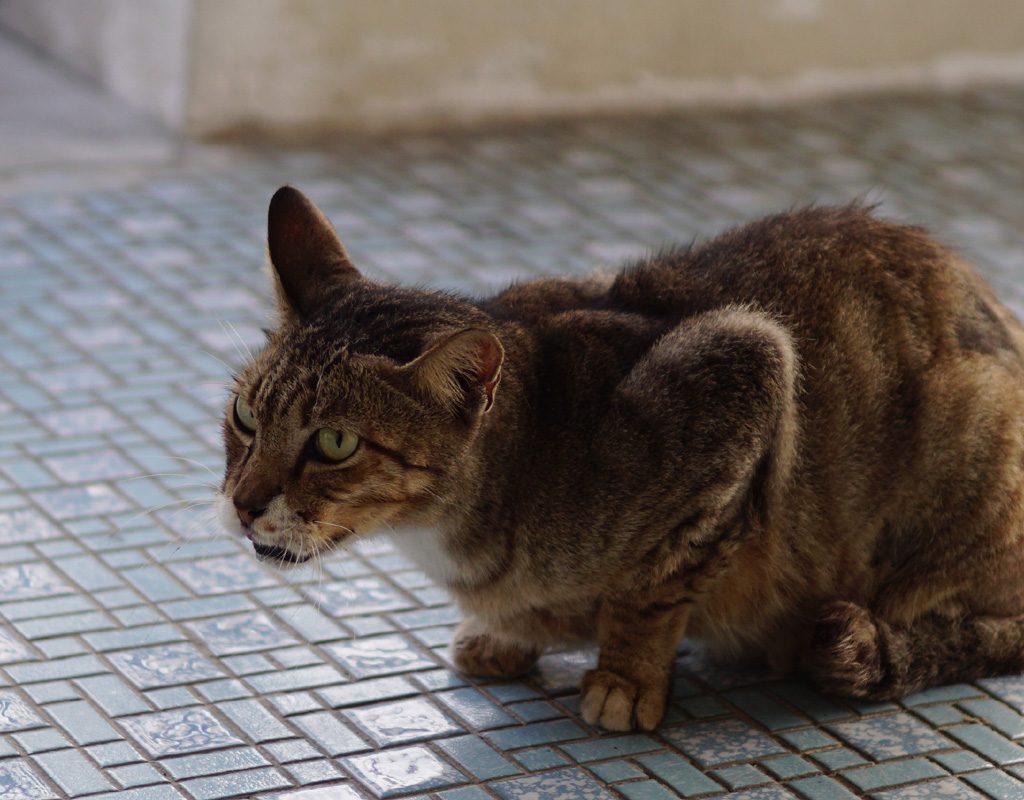
- A cat’s sense of smell is 14 times stronger than that of a human being, making them more sensitive to strong odors. Burning incense produces a very intense aroma. Talk about a headache!
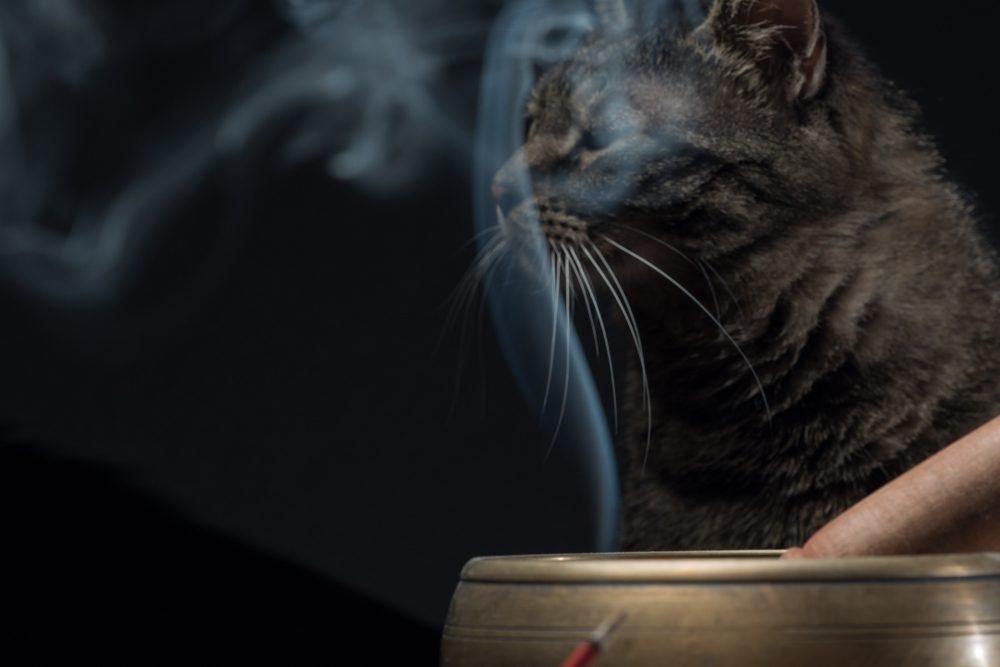
- Incense produces smoke, which is not healthy for your cat’s respiratory system. The smoke can act as an irritant, which may cause your cat to cough or have an allergic reaction. Rarely, this can happen in people, too.
- Increased smoke in the home puts your cat at risk for developing asthma. Exposure to smoke is one of the leading causes of asthma in cats.
- When incense is burned, it releases polyaromatic hydrocarbons, carbonyls, and benzene, which are suspected carcinogens. This is a fancy way of saying that incense contains allegedly harmful chemicals.
Instead of incense, choose one of these pet-friendly ways to make your home smell nice
Before you reach for the nearest air freshener or light up a candle instead, you should know these methods can be just as unhealthy for your cat as burning incense. As much as possible, stay away from air-freshening activities that contain anything artificial. Don’t let this fool you, though. As we learned about incense, even natural ingredients can be harmful to cats.
Here are some tips for removing unwanted odors naturally:
- Dust frequently. By keeping dust at bay, you remove its ingredients — dead skin, pet dander, pollen, dirt, and insect droppings. Left unchecked, dust can make a home smell musty and, understandably, affect the air quality in your home.
- Use baking soda to absorb unwanted odors on furniture and carpeting. Sprinkle a bit on problem areas, wait 24 to 48 hours, then vacuum thoroughly.
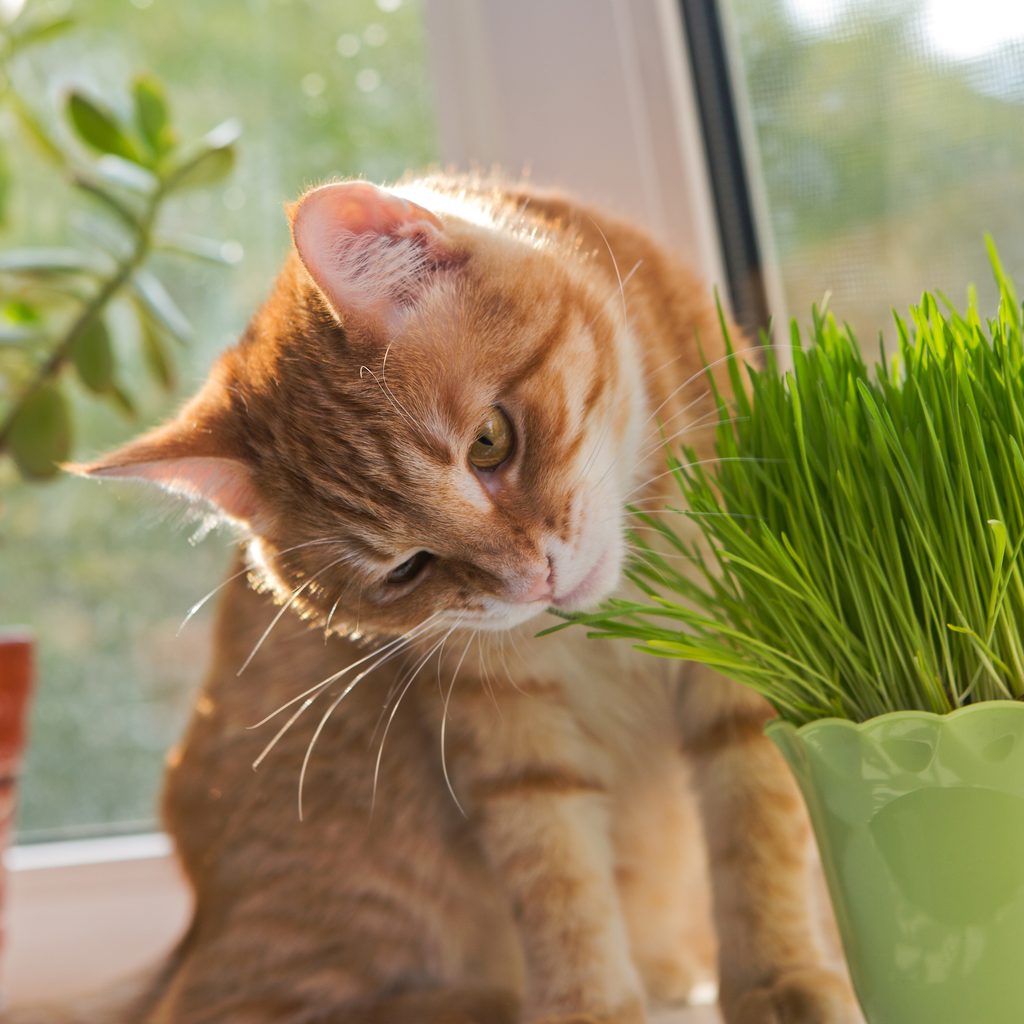
- Use fragrant plants, such as rosemary, sage, or lemon balm. Even though these plants aren’t toxic, do your best to keep them out of reach of your curious cats and put them in containers that aren’t easy to tip over.
- Buy an indoor air purifier. These machines trap and destroy offensive odors before they have a chance to settle into the soft furnishings of your home, namely the furniture, drapery, and carpeting.
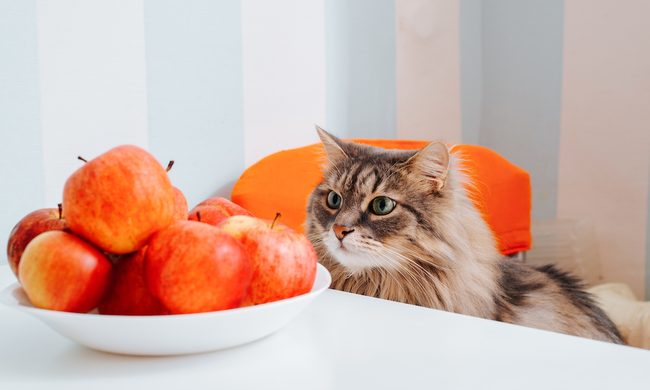
- Simmer a pot of water and add cinnamon sticks, apples, or vanilla.
- Bathe your cat every four to six weeks to remove dander and keep her smelling nice.
Other alternatives to incense for you to consider
If you just can’t get past those stinky odors, Preventative Vet recommends other, safer alternatives, such as Febreze, which has been reviewed by the ASPCA poison control center. They also recommend simmering things such as cinnamon sticks, vanilla, cloves, or mint tea to create a pleasant odor in your home. All these scents are safe and non-irritating to cats.
Can I burn candles around my cat?
If you must burn incense, here’s how to do it safely
If you burn incense as part of your religious or spiritual practice, try to restrict the practice to one room in your home. Good ventilation is essential. Open the windows whenever possible, and invest in a small room air purifier to capture and destroy any particulates that remain in the air once you’ve finished. And, as much as possible, keep that room off-limits to your cat.
It’s also important to keep the incense itself in a safe place. Cats are curious creatures and may want to play with the sticks or ashes. Ingesting either can cause serious health problems, so if you suspect your cat has consumed incense, contact your veterinarian immediately.
Which incense scents and essential oils are toxic to felines?
Whether you’re continuing modified incense use or are looking for other, natural ways to make your home smell nice, be sure to pick your ingredients carefully.
As veterinarian Kia Benson, DVM, explains on Pet Poison Helpline, all essential oils have the potential to be toxic to cats. Not only are these oils extremely concentrated, but cats also lack the liver enzyme to metabolize many ingredients once they’re in contact with the body.
Still, some essential oils are especially poisonous to felines and should never be used in the home. These include:
- Oil of wintergreen
- Oil of sweet birch
- Citrus oil (d-limonene)
- Pine oils
- Ylang Ylang oil
- Peppermint oil
- Cinnamon oil
- Pennyroyal oil
- Clove oil
- Eucalyptus oil
- Tea tree oil
As lovely as these scents may smell, it’s very easy to find cleaning products and air-freshening methods that don’t use any of these essential oils. And if you have to stick to incense — now you know which scents to avoid!
Is incense bad for cats? Yes, but some people may have religious or spiritual reasons for using it. The good news? Cats and incense have coexisted for years. With mindfulness and a few modifications, you can still enjoy the benefits of burning incense while protecting your favorite feline’s health at the same time. Just stay mindful!