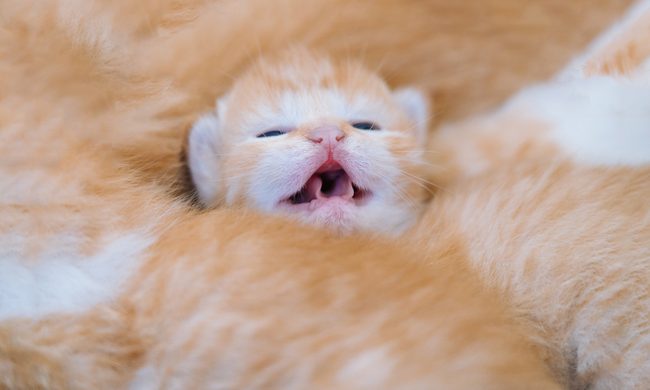
Cats have a reputation for being mysterious creatures. Everything from their tail twitches to their sleeping habits is a curious topic for cat lovers. Since cats sleep in some pretty strange places and tend to contradict themselves quite a bit for the cat newbie, their sleeping habits could be a total head-scratcher.
So where do cats like to sleep? If you don’t understand why or how your cat falls asleep the way it does, you aren’t alone. Here are a few common things cats do when they’re sleeping and what that could mean.
Sleeping on you
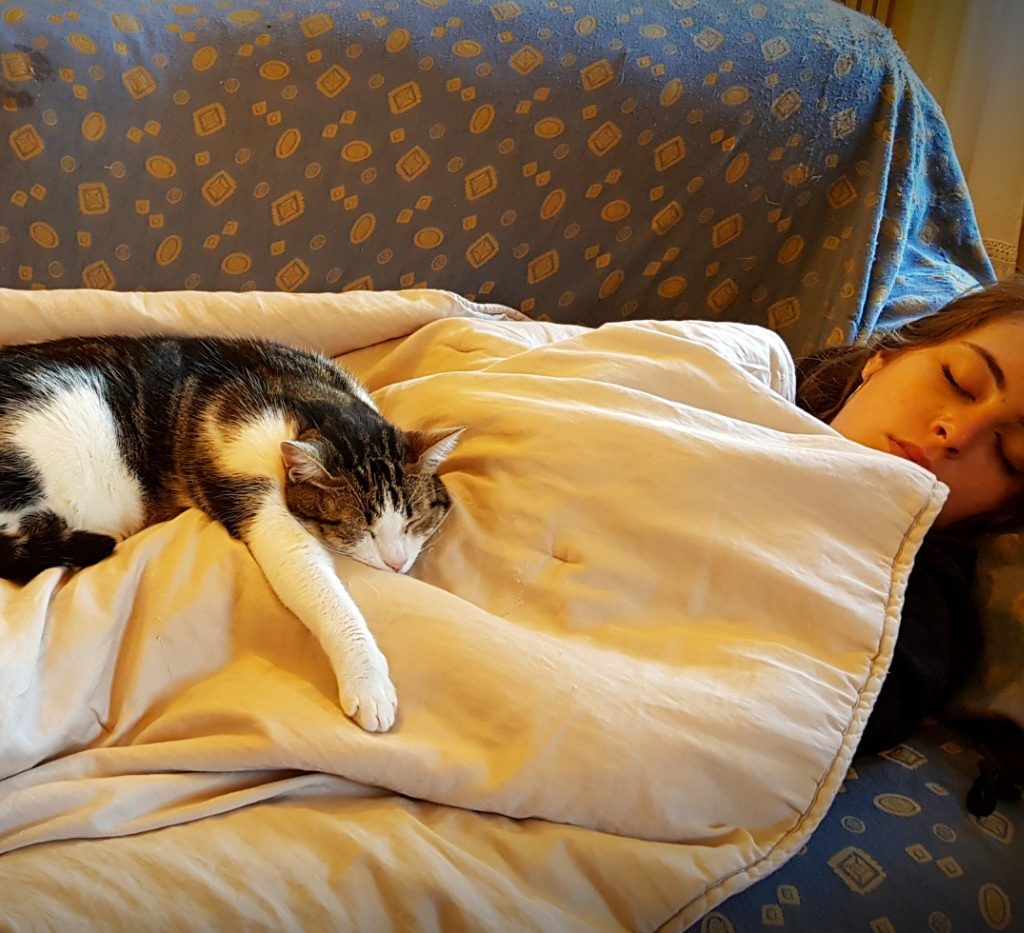
It may mystify you why your cat seems to ignore you all day and then wants to be next to you as you sleep at night. Your cat isn’t playing hard to get. On the contrary, your cat could be showing signs of trust.
Sleep is a vulnerable time for cats. Sleeping next to you could offer an extra feeling of security for your normally wary cat and provide extra body heat that cats crave. It could also mean that your cat is “marking” you as theirs, a territorial bonding method that involves leaving their scent behind.
Sleeping in boxes
Cats are cautious creatures, even if they have nothing to worry about. Your cat may prefer to sleep in that cardboard box or underneath the couch to help reduce the number of places your cat has to pay attention to for danger.
If their pet bed is out in the open, your cat may be reluctant to commit to that sleeping spot. Instead, they’ll seek out something with only one entrance to watch or a place where they feel like their back is protected.
Seeking height
For the same reasons that cats seek shelter, they may also seek out high places to reduce the chances of danger. Cats are excellent climbers, and not many species can follow them as high as they can go. Height gives them a good vantage point and, in some cases, helps them stay hidden.
Your cat may feel too vulnerable if there’s a lot of activity going on at ground level. Seeking out a higher spot puts your cat out of reach of the hustle and bustle and prevents accidental nap interference.
Seeking warmth
In some cases, those strange, out-of-the-way places also offer the warmth cats crave. The body temperature of cats runs higher than humans, and they desire places that provide the warmth that maintains their natural body temperature.
That uncomfortable window or seldom-used area sometime receive more heat than the usual place. Your cat’s really nice bed may be near a draft or a site that isn’t warm enough.
Cats do this sometimes when they steal your seat. If you’ve been sitting for a while, they know the seat will still be warm from your body heat when you get up. If they take advantage of it, they’ll get a short burst of heat to fall back to sleep.
Changing locations frequently

If your cat seems to change positions frequently, it could be a sign of wariness. In the wild, cats will change sleeping positions and locations often for safety, and if you’ve changed your house around or moved recently, your cat may be feeling reluctant to settle in.
If you have a new cat, this could also be a sign of mistrust. As you develop a relationship with your cat, it could begin to sleep in a few chosen spots as it learns that the environment is safe.
Signs of pain
If your cat is suddenly changing sleep positions or locations, this could be a sign of sickness or pain. A cat that suddenly wants to sleep near you could be experiencing vulnerability in the form of sickness, causing it to see out extra security.
A cat that suddenly favors sleeping in out-of-the-way places like under furniture could be experiencing some pain. These areas reduce contact with people and other pets, helping the cat manage any pain symptoms.
Before you panic, consider if other things have changed. Is your cat showing other signs of pain or illness? If you aren’t sure, it doesn’t hurt to get your cat checked out by your vet just to be on the safe side.
Where should cats sleep?
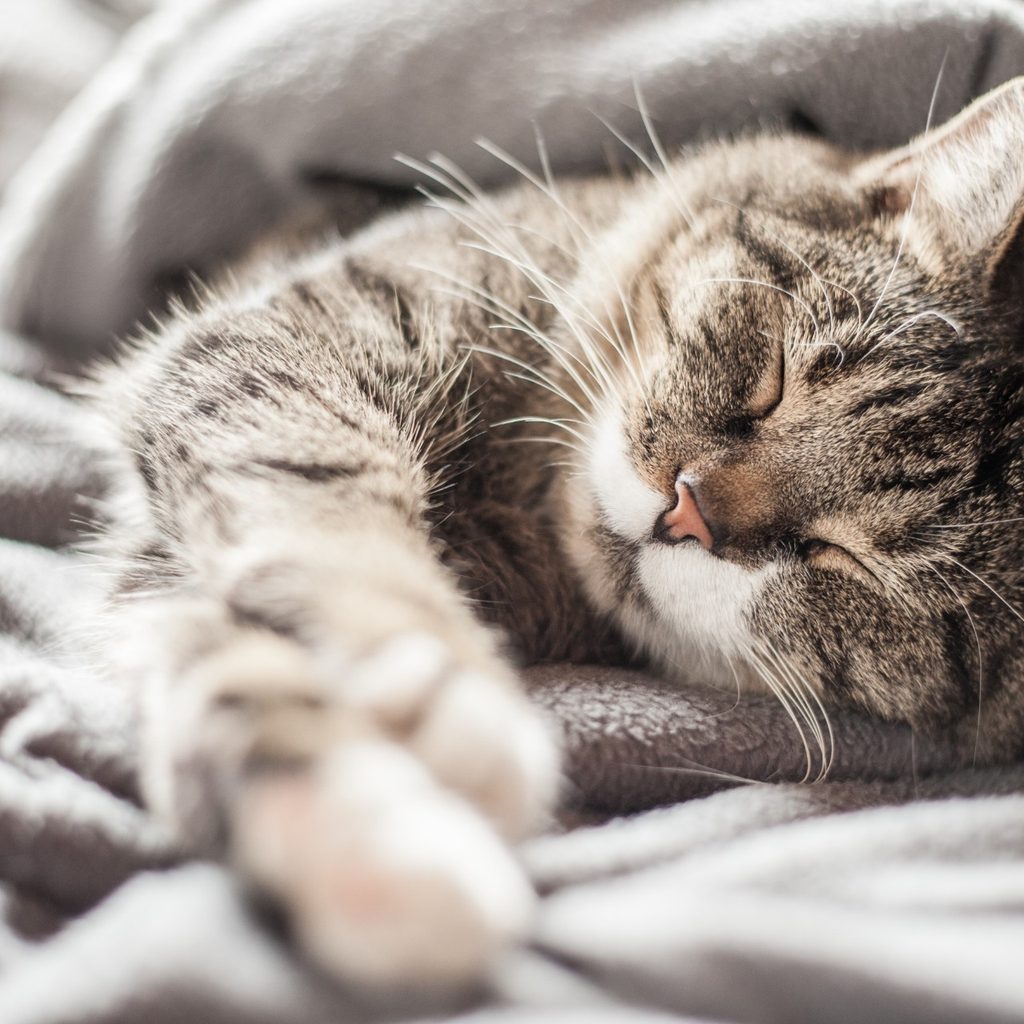
If you know your cat is safe and healthy, your cat can sleep wherever it works for you and your pet. Allowing your cat to sleep with you is a matter of preference and what will help your cat feel settled and safe.
Always watch for signs that something in your cat’s health has changed. Cats don’t always express outward signals of distress, so it’s essential to note healthy behaviors and ensure that you’re paying attention to subtle signals.
Enjoy your cat’s unusual sleep choices and use this time to bond and help your cat trust your home. Someday, your cat’s sleeping position could be one that shows you how much it trusts you, and that’s a wonderful feeling to have.