If your cat is an indoor/outdoor pet, he likely loves to pop outside to explore even when the temperatures drop. There are plenty of cold-weather cats who have thick coats and seem to do well outdoors in the winter, but it’s important to consider your cat’s comfort and safety before letting them roam the winter wonderland.
Cold temperatures can affect cats and threaten their health, and extreme temperatures can even lead to a cat’s death. As scary as that sounds, it doesn’t mean you can’t let your cat out in the frigid temps. Instead, it’s important to understand how cold is too cold and what extra care your cat may need to stay comfy in chilly weather. Don’t worry; we’ll explain.
Do cats get cold easily?
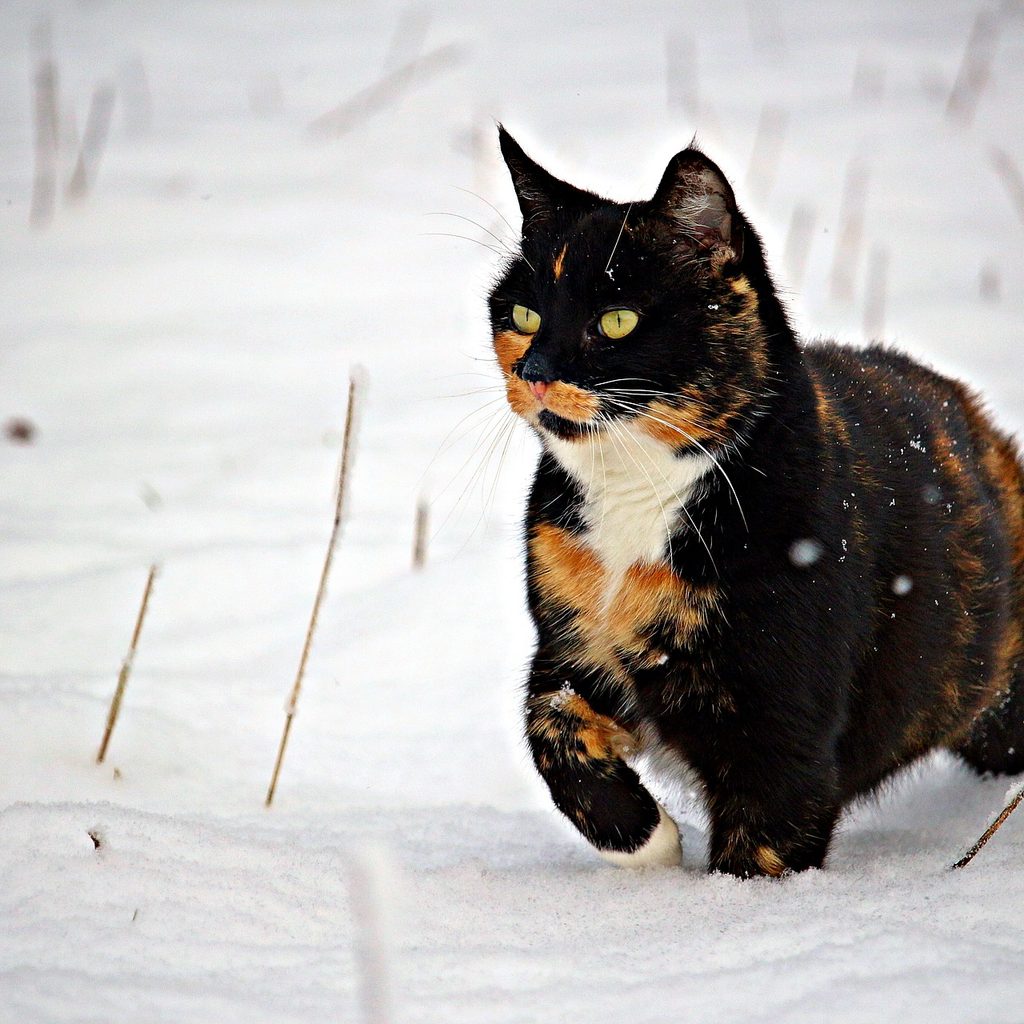
Do cats get cold outside? Absolutely, and it can happen easily, depending on the temperatures and a few other reasons. According to Texas A&M University, the temperature that’s too cold for your feline will depend on several factors, including the thickness of your cat’s fur as well as their body mass.
As a general rule of thumb, you shouldn’t leave him outside if the temperatures are below 45 degrees Fahrenheit if your cat isn’t acclimated to the outdoors. It’s also important to never keep young kittens, older cats, or sick cats out when temperatures dip below that mark. These cats don’t have the same ability to regulate their body temperatures as healthy adult cats do!
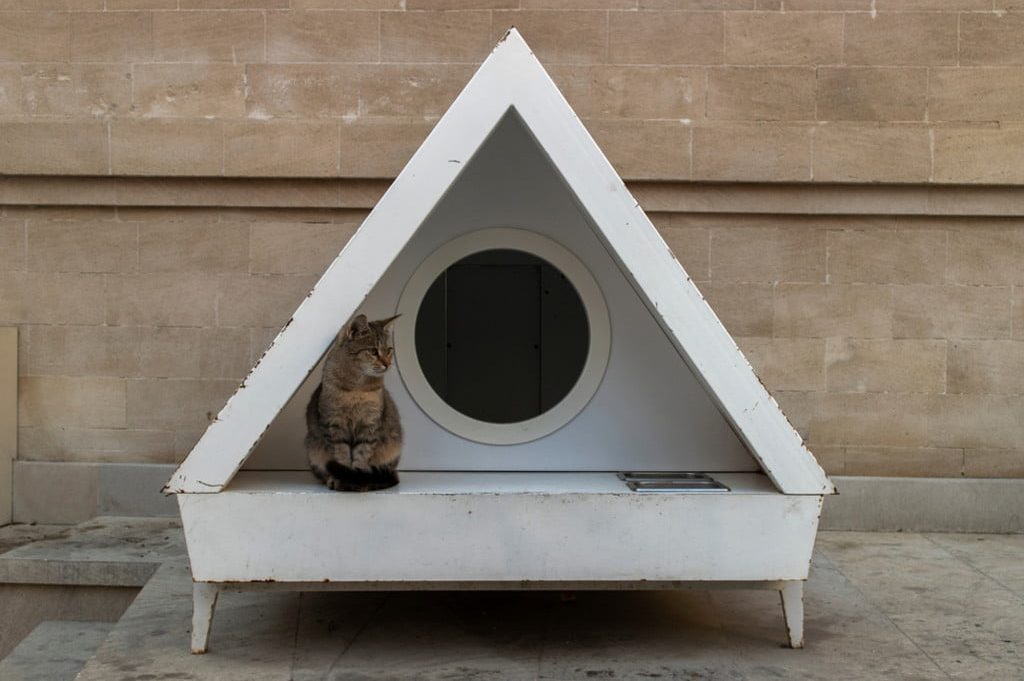
If your cat does usually go outdoors in the cold, you can give him some protection from the temperatures by ensuring that he has an insulated place where he can get comfy. Curling up lets your cat maintain his body heat, so provide him with a small doghouse or other structure that’s large enough for him to lie down. The shelter can help to block the wind, and you can even add in blankets or straw to make it more padded and insulated.
A heating pad designed for outdoor use can also help your cat stay warm in their cat house. Don’t forget that it’s important to provide your furry friend with fresh, unfrozen water and to increase his food since he’ll burn more calories trying to keep warm. This may sound like a lot to remember, but there is a simpler way to keep your cat warm in the winter? Keep him indoors.
How long can cats survive cold?
According to Gallant, your cat’s safety can be at risk when it’s too cold out. In temperatures below 32 degrees Fahrenheit, your pet is at risk of frostbite and hypothermia.
When your cat develops frostbite, blood flow to his extremities will decrease. This leads to tissue death and, often, amputation. If hypothermia sets in, your cat’s body temperature will drop too low to keep his central nervous system working. Eventually, his heart will struggle to move blood through his body. Both hypothermia and frostbite make it difficult for your cat to seek shelter and warmth, and your cat can die as a result.

How do I know if my outdoor cat is cold?
The Rescue Vets explain that if your cat is cold, you may see multiple signs that indicate he needs to warm up. Your cat might shiver and feel cold to the touch, especially around his ears, tail, and the pads of his feet. He also could have dilated pupils, and his heart rate may slow down. If you notice your cat is unusually lethargic or that his breathing is slowed or shallow, these signs may show your cat is experiencing hypothermia. This is an emergency situation, and you’ll need to take your cat to the vet or the emergency clinic immediately.
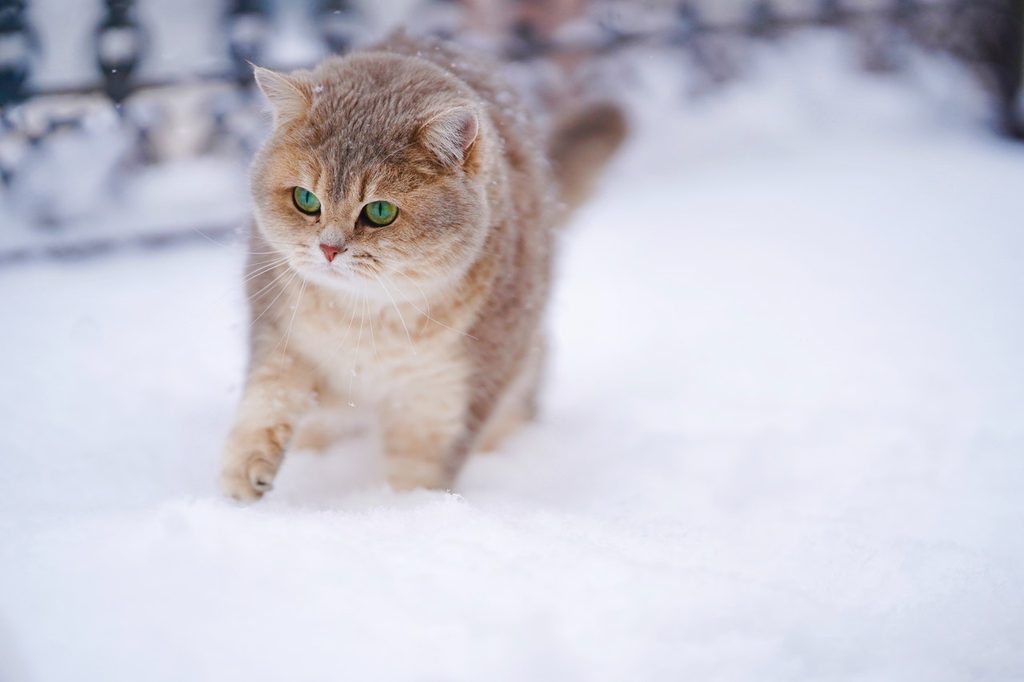
What to do if an outdoor cat is out in the cold
You may feel concerned if your indoor/outdoor cat is outside in the cold or snow, and that’s perfectly reasonable. If you’re feeling chilly, there’s a good chance your feline friend is, too. You can always call your cat inside — or tempt them with a favorite treat — if you’re getting worried, though in many cases, you won’t have to do anything at all. Cats are intuitive creatures, and those who regularly go outside will often know when it’s time to start heading home. Additionally, cats begin to shed their shorter undercoats and grow in their thicker winter coats when the days get shorter, so they’ll be more protected from the elements for the season.
For kitties who are outside full-time, investing in an outdoor cat enclosure will be the way to go. Whether it’s a refurbished shed or a large dog house, you can get creative while constructing your cat’s new winter home. Prioritize warmth and safety, and they’ll be good to go!
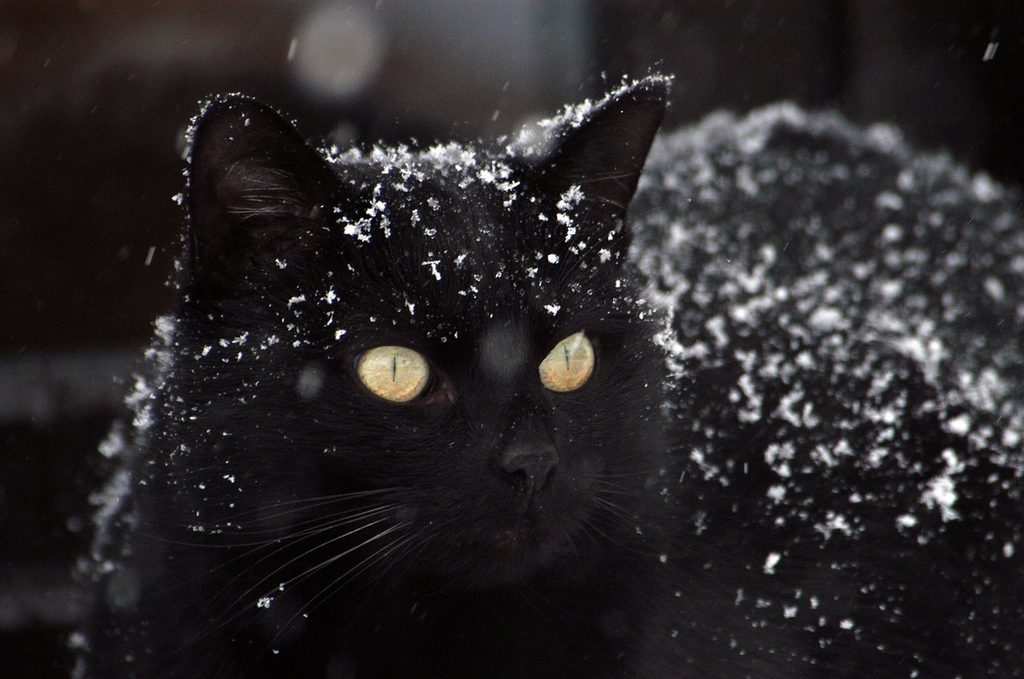
Strategies to keep your cat warm inside this winter
While your cat might want to go outside for brief periods during the winter, he’ll be most comfortable indoors, where you can better regulate the temperature. There are plenty of ways to help keep your cat cozy indoors, even when the temperatures outside are uncomfortably cold.
Consider giving your cat a warm blanket or a cat bed in the spots where he likes to curl up. You can also use a self-warming bed or even get a pet-specific heating pad to help keep your cat extra cozy. Older pets, in particular, may appreciate this extra heat. Turning up your thermostat a couple of degrees, at least in the rooms where your cat spends the most time, can also help to keep your cat comfortable. Who knows — you may even enjoy it too!
If you have questions about what’s best for your cat, especially when it’s cold outside, be sure to talk with your vet. Your cat doctor can help advise you about how well your furry friend may handle the cold and can take into account other risk factors like specific health issues and your cat’s overall condition. If your animal goes outside in the cold, you’ll need to monitor how much time he spends outdoors and give him access to shelter so he doesn’t get too cold. Be sure to watch your cat and look for signs that he’s not coping well with the temperatures. You might find that after just a few minutes outside, he realizes it’s much more comfortable in your home and is ready to come back in again. In many cases, you won’t have to do anything at all!