If you have a skittish cat, you’ve surely thought to yourself, “How do I get a scared cat into a carrier?” This task can be daunting for even the most experienced of cat owners, given a cat’s ability to bite and scratch. Well, look no further for guidance. We have a number of different tips and approaches for you to try to make this sometimes-frustrating process much easier.
Acclimating your cat to a carrier
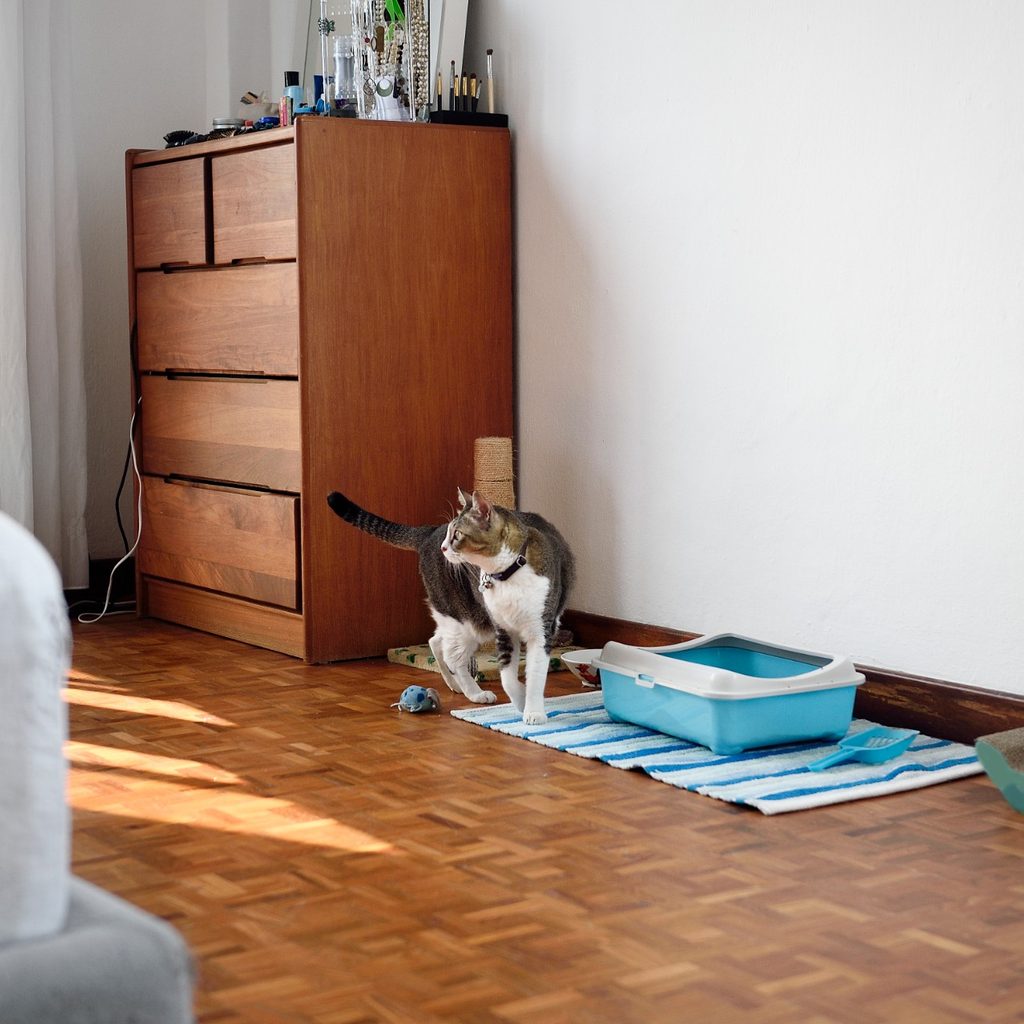
By far, the easiest way to get your cat into a carrier regularly is by acclimating them to it first. It is best to start this process as a kitten, if possible. Older cats can learn new things, too, but they are usually more reluctant to do so. If you need to take your cat to the vet or on a trip in a month, start the acclimation process now! This method doesn’t work if you’re in a hurry, since it requires prior practice. Start by leaving the crate open and in an area that your cat frequents. This will show them that the carrier is normal and not something to fear.
Make the carrier somewhere your cat wants to be by placing a favorite blanket, toy, or treat in it. Try feeding your cat near the crate, getting closer to it at each feeding, until your cat is comfortable eating while sitting inside the carrier. Get them comfortable with the door being closed by closing it for a few seconds, then letting your cat out. Gradually close the crate for longer periods of time, so they become used to how they will be transported in it.
If you follow these steps and reward your cat each time they get into the carrier without a fuss, you should have a cat that voluntarily goes into it in no time!
Clicker training to acclimate
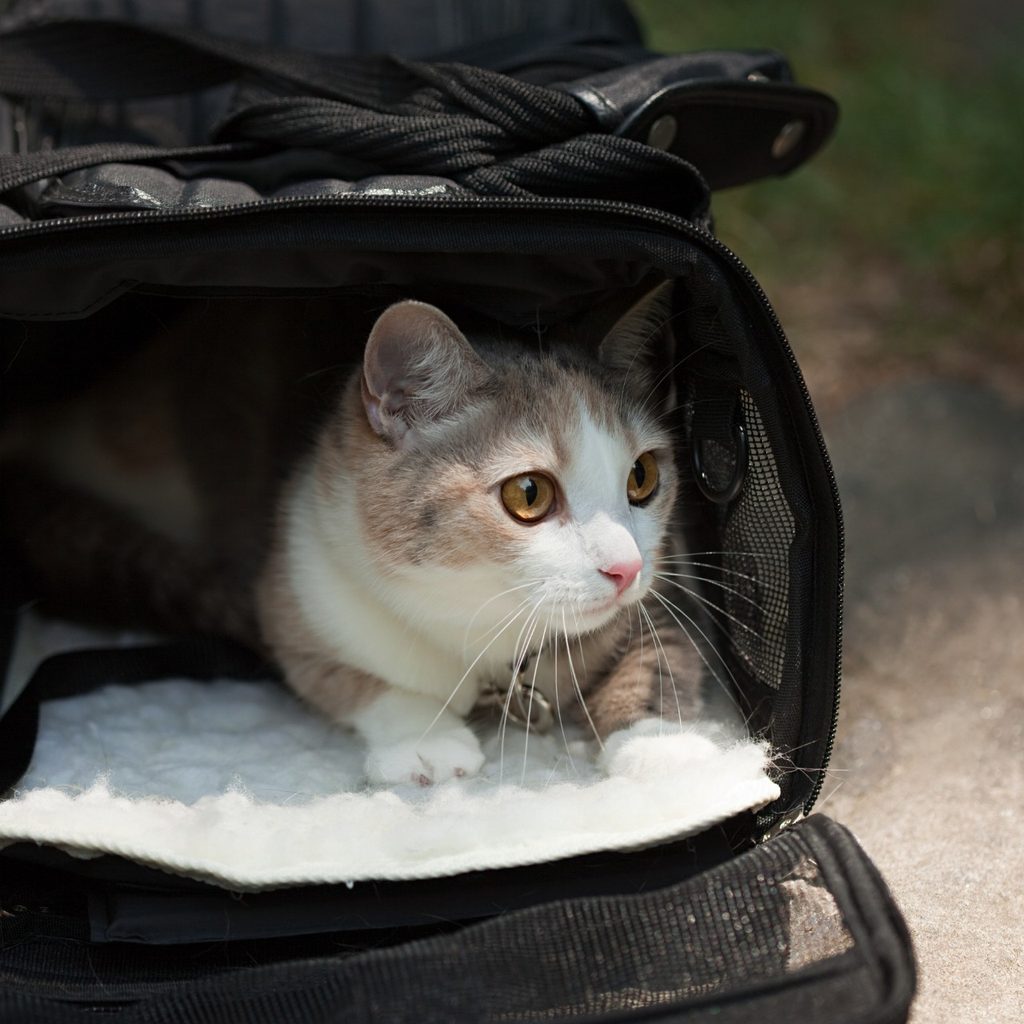
Acclimating your cat to a carrier is a great start to simplifying the process of getting them in it, but wouldn’t it be great if your cat entered their crate on command? With the help of clicker training, your cat can do just that. Start by acquiring lots of treats to have on hand (or be ready to give your cat lots of pets if they aren’t a foodie) and a clicker.
You can also use a light or another object that makes a consistent sound. Then, associate the clicker with a treat by clicking it and then immediately after, giving your cat a treat. It will take a number of repetitions before your cat makes the connection between the clicker and the treat.
Now, you’re ready to target-train by leading the cat to their carrier and sounding the clicker whenever they enter it. Make sure to reward your cat with positive reinforcement each time they do a desired behavior! You can also use a clicker to train your cat in obedience or to do tricks.
Putting a cat into a crate in a hurry
If you have a front-loading carrier and a cat that won’t go into it by choice, this method should work for you. First, put a towel or newspaper in the carrier, since your cat may pee from being stressed by being put in it. Place the carrier on its solid end, leaning it against a wall if necessary to prevent it from falling over. Pick up your cat by placing one hand under their chest and one under their bottom, supporting their back legs.
If necessary, pick up your cat through a thick towel so that you don’t get scratched. Then lower your cat into the carrier, back end first, to prevent them from resisting by pushing with their front legs. Close the carrier once the cat is in it securely and reward your cat with a treat if they behaved well during the process. You may want to cover the carrier with a towel or blanket to make it seem more cozy and safe to your cat. Then, you can be on your way!
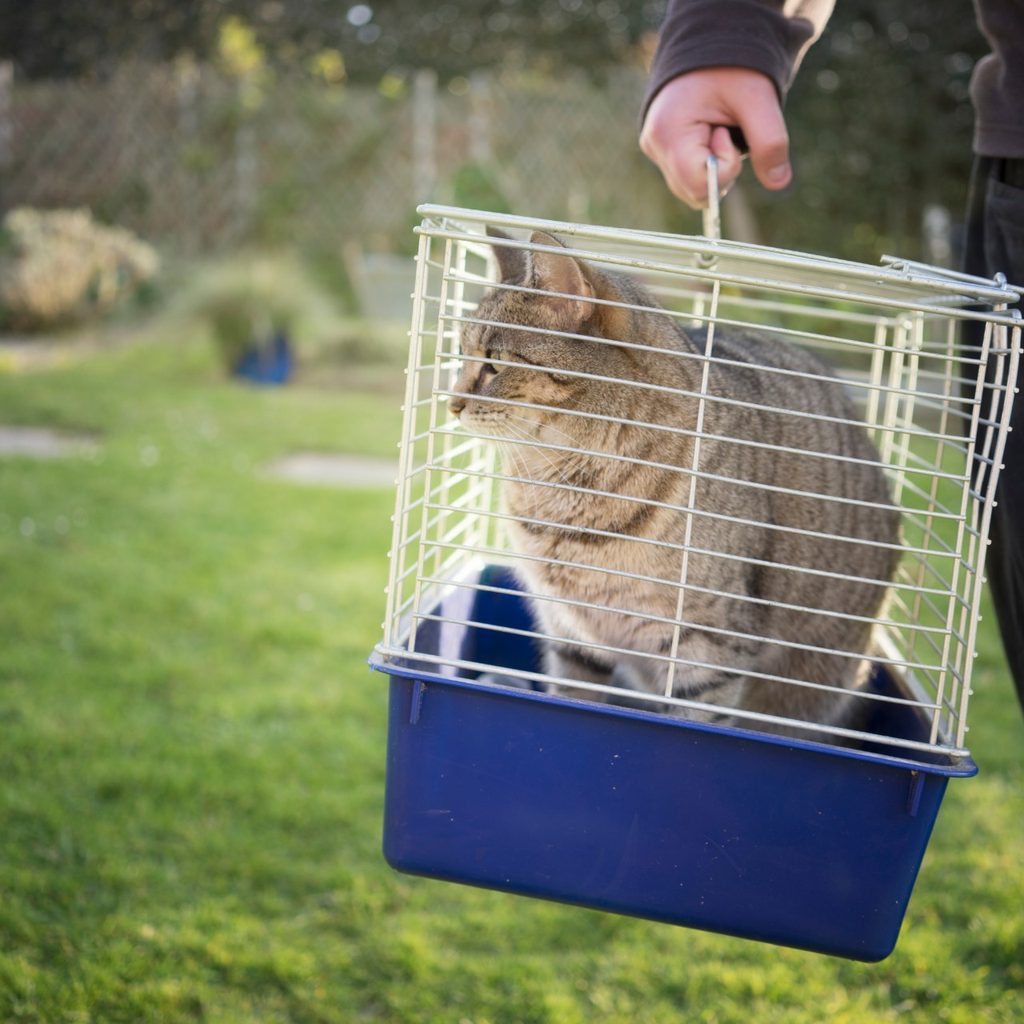
Putting your cat into a carrier for trips to the vet or for a vacation can be daunting and even painful (for you). But it doesn’t have to be that way. Using our tips and tricks, hopefully you too can train your cat to enter their crate at the sound of a click or even voluntarily.