
Petting your cat can be a great way to bond with him, but it’s important that your cat is comfortable with the attention and touch. Some cats love to be pet and fussed over, while others would be happier with less attention. If your cat bites you when you’re petting him, there could be a couple of causes behind the behavior, and it’s important that you take the right steps to protect yourself and help your cat to feel comfortable again. Understanding how to stop a cat from biting when you’re petting him can ensure that he’s secure and comfy in your home and that you find a way to give him the attention that you both enjoy.
Start with a trip to the vet
A cat’s biting you when you’re petting him could be a reaction to pain that you’re unaware of, so it’s a good idea to start with a trip to the vet. Your vet can examine your cat and look for issues, like a back injury, arthritis, or other condition that could cause your cat pain when you’re patting him. If your cat is in pain, your vet might be able to recommend treatments or medication to help make your cat more comfortable. Simply being aware of which areas are painful for your cat can help you to pet him without causing him discomfort, which may make him less defensive.

Watch your cat’s body language
If you’ve ruled out any sort of pain, then your cat is likely biting you in an effort to get you to stop petting him. Some cats can become overstimulated from petting, and they may get so anxious or uncomfortable that they feel they need to bite you to get you to stop.
If your cat tends to bite you, watch his body language carefully. Chances are he isn’t relying on just biting to convey his message, and he’s likely sending you signals with his body language before he resorts to biting. Look for signs that your cat is getting uncomfortable, like a flicking tail, a hardened gaze, tension in the neck and face, and a crouched, tense body. You may need to look carefully before you notice these signs, but if you can spot them, you can determine when you need to leave your cat alone before he feels like he needs to bite you to signal his discomfort.
Determine your cat’s limits
It also may be possible to determine where your cat’s limits are with being pet. You might find that your cat can tolerate five or six strokes, then he gets upset. Pay attention when you’re petting your cat and experiment with different amounts of pressure and different stroke speeds to see if you can find what works for your cat and just where his limits are. If you’re aware that your cat is sensitive about being pet, try to focus on the areas of his body where you know he likes the attention. The back of the head and neck tend to be safe zones but avoid your cat’s lower back and tail, which are often more sensitive.
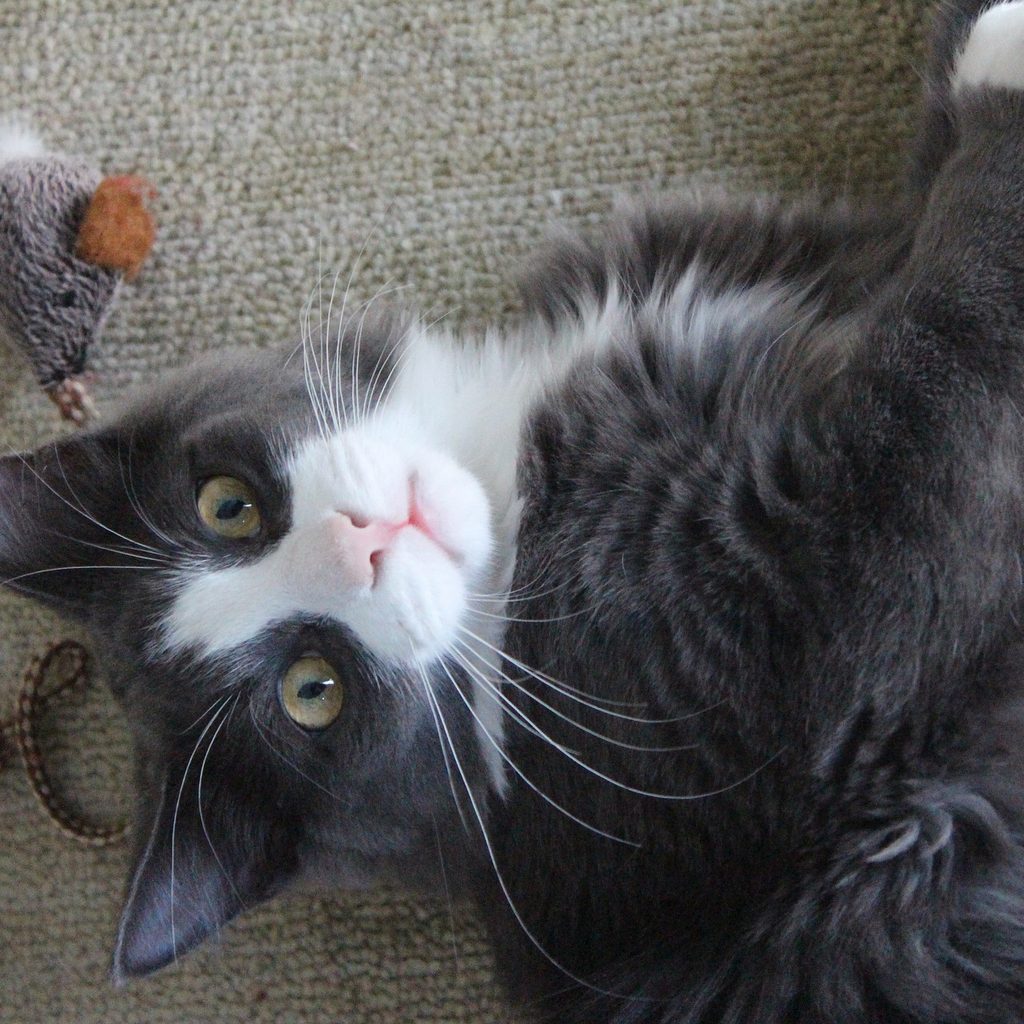
Respect your cat’s boundaries
Once you know your cat’s limits for petting, it’s up to you to respect those limits. You might be able to gradually get your cat more comfortable with being pet, but it’s also possible that your cat’s boundaries are going to remain as they are. You can try little by little to add in one or two strokes more than your cat typically tolerates, but this may not work. Some cats remain adamant about their limits, while others might gradually start to accept more attention.
Final thoughts on cat biting
Regardless of how your cat reacts to your attempts to get him more comfortable with being pet, it’s important to respect and honor your cat’s boundaries. Some cats just don’t like the amount of attention that you might be able to give to other cats. If your cat is frequently biting you, he’s conveying the fact that he’s unhappy and he needs you to back off. By listening to him, you can help to make him comfortable and also build his trust in you. Your cat might enjoy getting attention in other ways, like play sessions and simply spending time near you without having you physically touch him. If you pay attention to what your cat is trying to communicate, you can help him to live comfortably and securely in your home.