Cat parents agree on most points. We think cats are ridiculously cute (and science agrees), we know that wearing all black when you have a cat is a futile attempt at looking chic, and we’re experts when it comes to choosing the perfect cat toys. But one aspect of cat ownership remains a topic of intense debate: should you let your cat go outside at all? Most veterinarians agree that keeping your cat indoors is the best option, but some people believe cats are unhappy unless they spend time in the great outdoors.
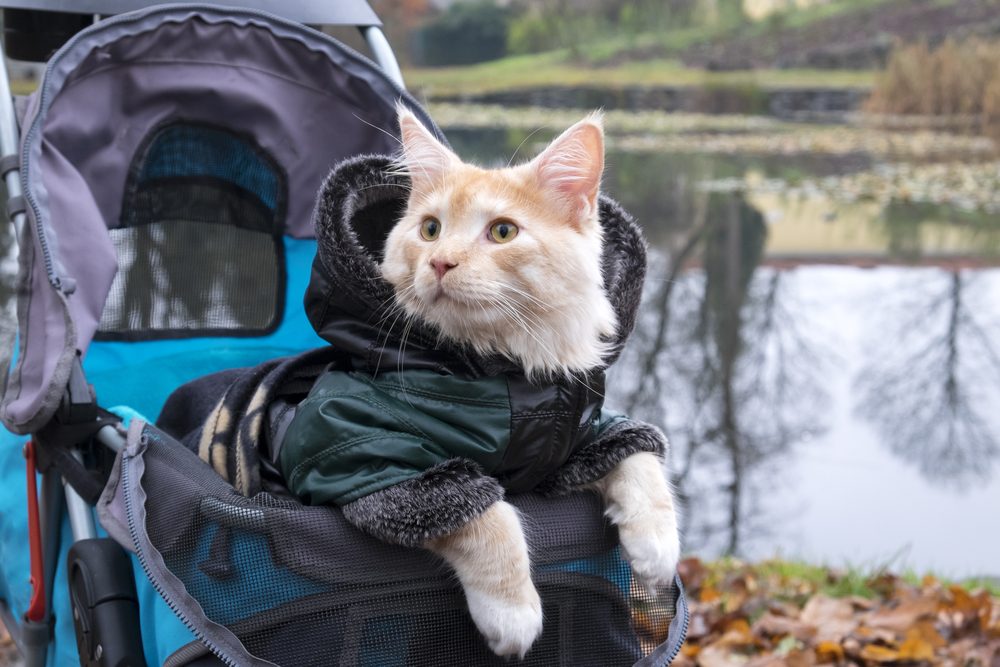
Fortunately, there’s an easy solution. Taking your cat outside on a leash allows her to explore without endangering her. But does your fur baby need a cat stroller? Evidence suggests the answer is “yes.” We’re here to explain why.
Why should you invest in a cat stroller?
Should you walk your cat on a leash and harness, or should you use a stroller? A leash and harness may be less expensive, but we can think of three strong arguments in favor of a cat stroller.
Age
Just like us, cats are subject to age-related health conditions like arthritis. If your older kitty can’t be as active as she used to, you can still allow her to get plenty of mental stimulation by taking her for walks in a stroller. Strollers are also a fantastic way to transport cats to and from the veterinarian, making regular checkups less stressful for you and your cat.
Allergies
While walking your cat on a leash will go a long way in keeping her safe, there’s still a chance she could meander off the sidewalk into an allergen. Certain types of grass, pollen, and fungi can trigger an allergic reaction in your fur baby, but she won’t be able to make herself sick if she’s safely ensconced in a stroller. Additionally, an estimated 10% of Americans suffer from pet allergies, with cats being the worst contributor. You’ll be able to keep fellow walkers safe from direct contact with your kitty while she’s in her stroller.
Safety
Allowing your cat outdoors unsupervised is risky. Not only is there a chance that Miss Kitty will wander off, putting her at risk of being hit by a car or harmed by despicable people, but there are other dangers you should be aware of before you let your cat outside. Predators such as dogs, coyotes, and birds of prey could seriously harm or kill your cat. If she gets into a tussle with another feisty feline, her wounds could become infected. Or she could contract a contagious disease such as rabies or feline leukemia. However, taking your cat outside in a kitty stroller allows her to get some fresh air and experience the wonders of nature safely.
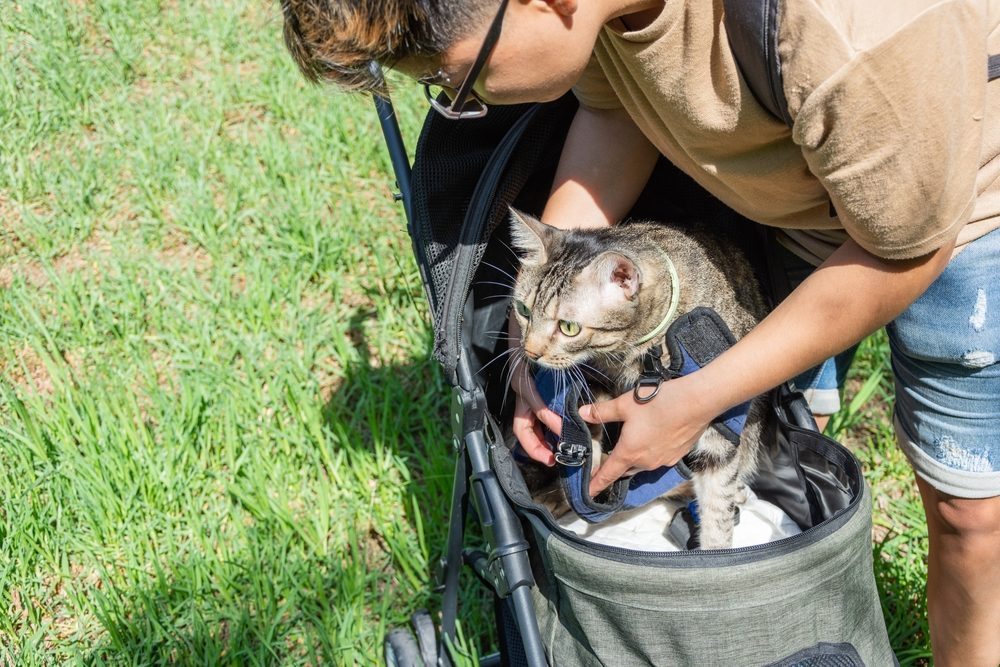
How to choose the perfect stroller
Cat strollers come in a variety of shapes and sizes, so you’re bound to find the perfect fit for your fur baby. If you plan on taking more than one cat for a walk, opt for a stroller built for two. Does your kitty try to jump out of her stroller on walks? Invest in a stroller than keeps her enclosed. (You’ll want to keep an eye on the mesh, though. Determined kitties may be able to claw their way out if they’re unhappy.)
Helping your cat adjust to the stroller
Some cats take to going for rides in a stroller like ducks to water, while other cats panic and attempt to flee. Here are a few things you can do to help your cat get used to her stroller before ever setting foot outdoors.
- Allow her to explore. Rather than placing your cat in her stroller and immediately going for a walk, allow for an adjustment period. Leave the stroller sitting in an area where your cat spends a lot of time. Allow her to sniff at it and climb inside at her own pace.
- Reward her curiosity. Once your cat gets used to the presence of a stroller in her space, try leaving some of her favorite treats near the wheels and inside the stroller. You can also try placing some of her toys or a blanket inside. The stroller will smell more like your kitty, and she’ll be more likely to feel comfortable there.
- Start off small. When your cat jumps in the stroller to enjoy a treat, try pushing her around the room for a few seconds. It’s possible she’ll jump out the first few times, but patience and perseverance will pay off in the end.
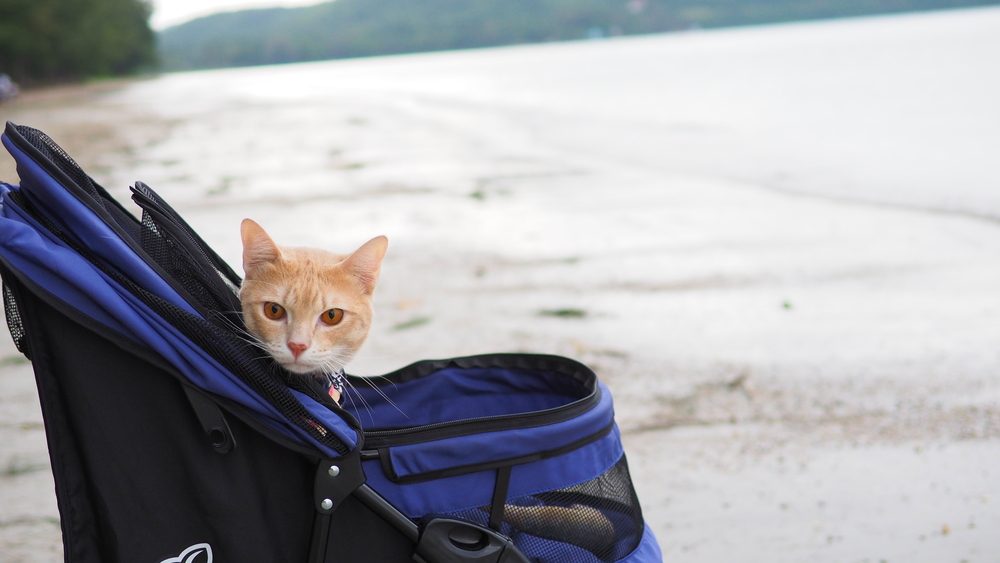
Whether your kitty has a difficult time getting around, or you simply want to keep her safe outside, you can’t go wrong with a cat stroller. Your kitty will probably need time to adjust to her new ride, but you can help her get used to it with treats, toys, and attention. In no time at all, you’ll be able to chauffeur Miss Kitty around the block in safety and style.