If you notice that your cat is developing mats, then it’s important to know what to do to quickly help stop this problem. Matted cat fur can occur in any cat, but it’s a common occurrence with long-haired cats. Mats form when your cat’s fur gets tangled together. The mats can feel like little knots in your cat’s fur, and they can gradually get larger.
Mats require prompt attention since they can become painful and affect the health of your cat’s skin, too. But removing mats needs to be done carefully. Before you start removing mats, be sure you know how to do it well and safely.
How to de-mat fur
If your cat’s fur gets matted, take care of the mats right away. Leaving them can cause them to get tighter, bigger, and closer to the skin, causing your cat additional pain. Mats can make it difficult for your cat to groom himself and stretch, and that can cause more mats to form, creating an even bigger problem.
To remove mats, you’ll need a wide-toothed comb or a mat comb. Hold the skin underneath the mat with one hand, so you’re not pulling the hairs and the skin. With your other hand, gently work the comb through the mat, separating the hair.
This can take time, and it’s important to go slowly and keep your cat comfortable. It’s easier if you work on a small section of the mat at a time. Avoid getting the mat wet, which can make it tighter. You may need to give your cat a break in between sessions. As you progress, you may get to a point where you can work the mat loose with your fingers and release the rest of the hair.
Know when to get help
Some mats that are large, extremely tight and close to the skin, or that are highly painful for your cat may make him too uncomfortable to tolerate your removing them. In this case, the mats will need to be clipped off.
Don’t use scissors to remove matted fur from your cat. If your cat moves suddenly or if you get too close to the skin, you might need an emergency trip to the vet.
Instead, you may be able to gently use electric clippers to clip the mats close to the skin. Some cats will tolerate this, while others may need a little help from some sedation at your vet to tolerate this clipping.
Prevent mats from forming
If you can spot mats early on and quickly remove them, you can often solve the problem without significant discomfort for your cat. However, it’s best to prevent mats from forming in the first place.
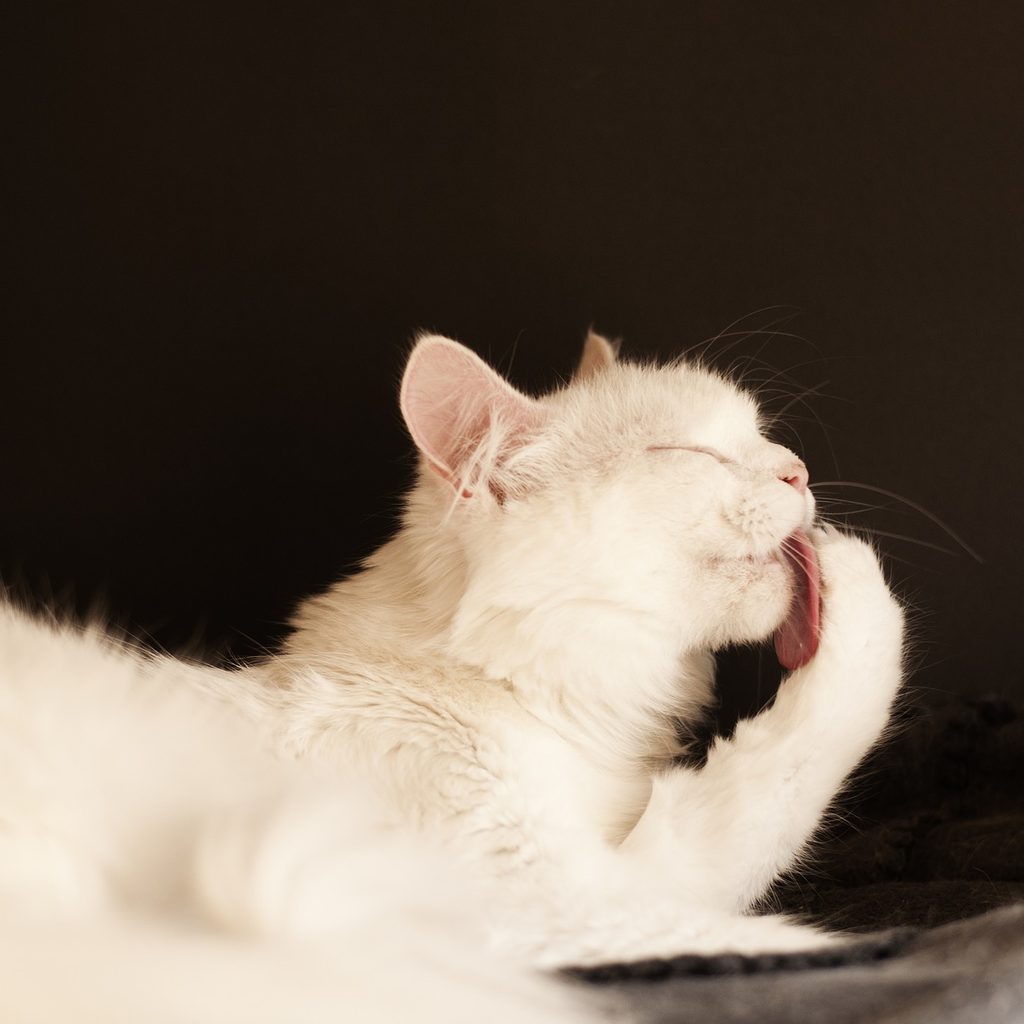
Regular, thorough grooming plays an important role in preventing mats. Long-haired cats, particularly, may need some extra maintenance help with regular trips to the groomer or frequent brushing at home. If your cat can’t groom himself, — if he’s older, for instance, or experiencing arthritis that restricts his movement — you’ll need to take a more active role in grooming him to keep him mat-free.
You can support your cat’s ability to groom himself with regular veterinary care. Dental issues might cause your cat pain and discourage him from self-grooming, and regular trips to the vet can ensure that your cat is healthy and comfortable. If your cat is overweight, grooming will be more difficult for him. Your vet can recommend an appropriate weight-loss plan to help keep your cat healthy and more comfortable.
Even if you diligently care for your cat and groom him frequently, it’s still possible that some mats will develop. However, when you regularly inspect your cat for mats and quickly address them when they do occur, you can keep the problem to a minimum and keep your cat healthier and more comfortable. Mats can be tricky to remove, depending on their size and how long they’ve been in your cat’s coat. Some cats are more tolerant of allowing you to de-mat their hair than others are. If your cat is stressed during the process or is trying to hurt you, be sure to contact your vet for additional help. While you want to remove the mats gently and as soon as possible, it’s just as important to keep your cat safe during the process.