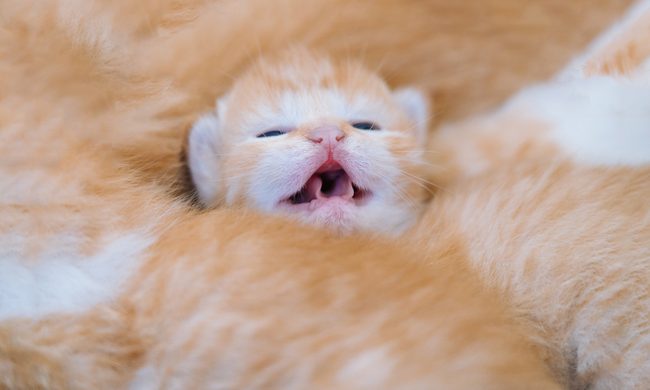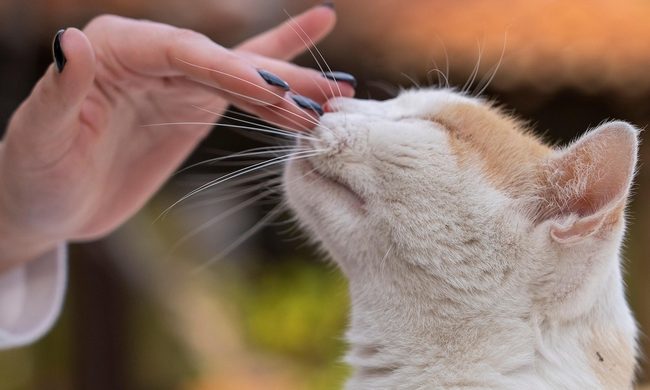
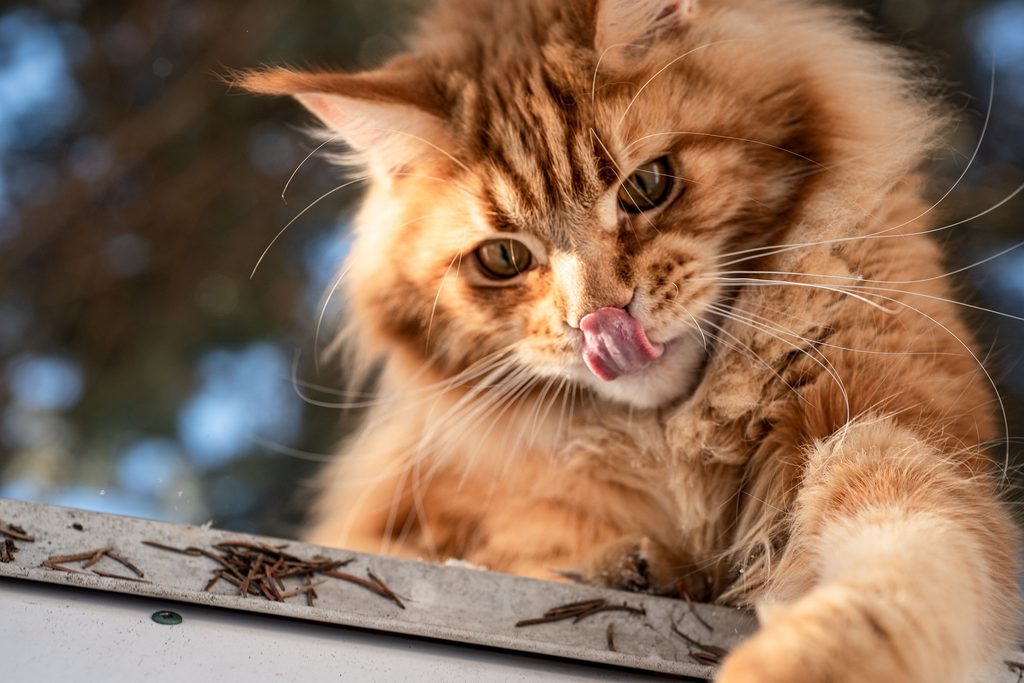
No one hates Mondays or loves lasagna more than Garfield. The famous fictional feline has been gracing comic strips and TV screens for decades, and it’s no wonder why orange cats have a bit of a reputation. In reality, though, most orange cats aren’t as lazy or moody as Jon Arbuckle’s beloved pet. If you thought you knew everything there is to know about orange cats — think again.
These cool facts about orange cats will have you smiling, giggling, and even scratching your head!
1. Orange cats have mysterious ancestral origins
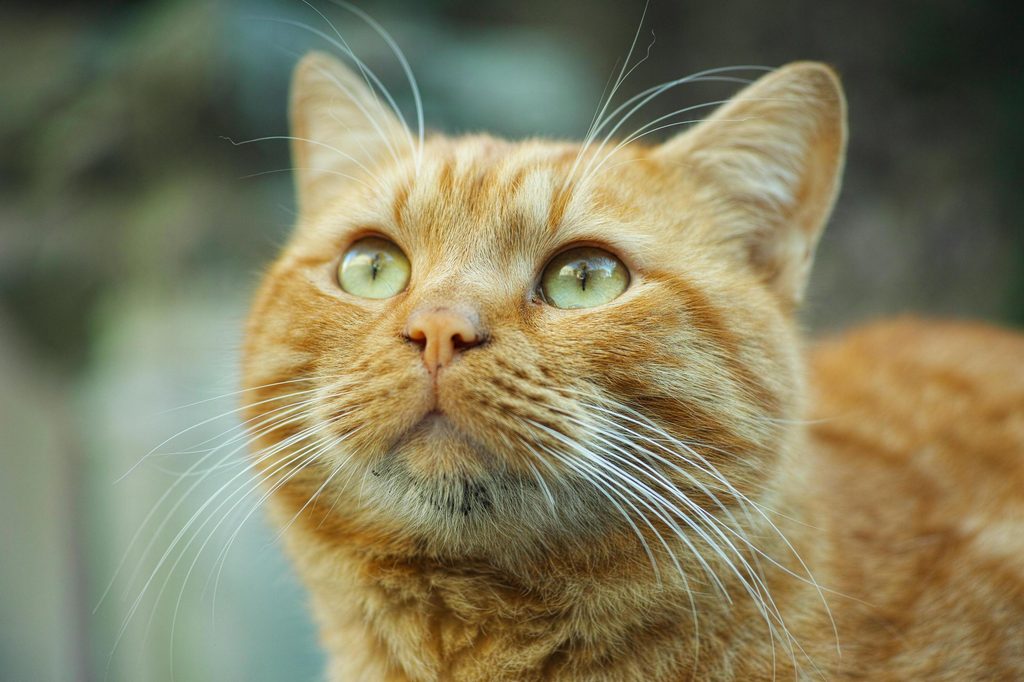
Remember — an “orange cat” is simply a cat with red or orange-colored fur. It’s not a breed of its own, though only some cat breeds are known to have an orange-colored variety. No one truly knows when or where orange cats first came from, though cat experts’ best guess is that their ancestors hailed from Egypt. The Egyptian Mau is one breed that has the same genes that give orange cats their fur color, but there’s no way to confirm whether the first orange cats came from this breed.
2. Cats with orange fur have a lot in common with humans with red hair
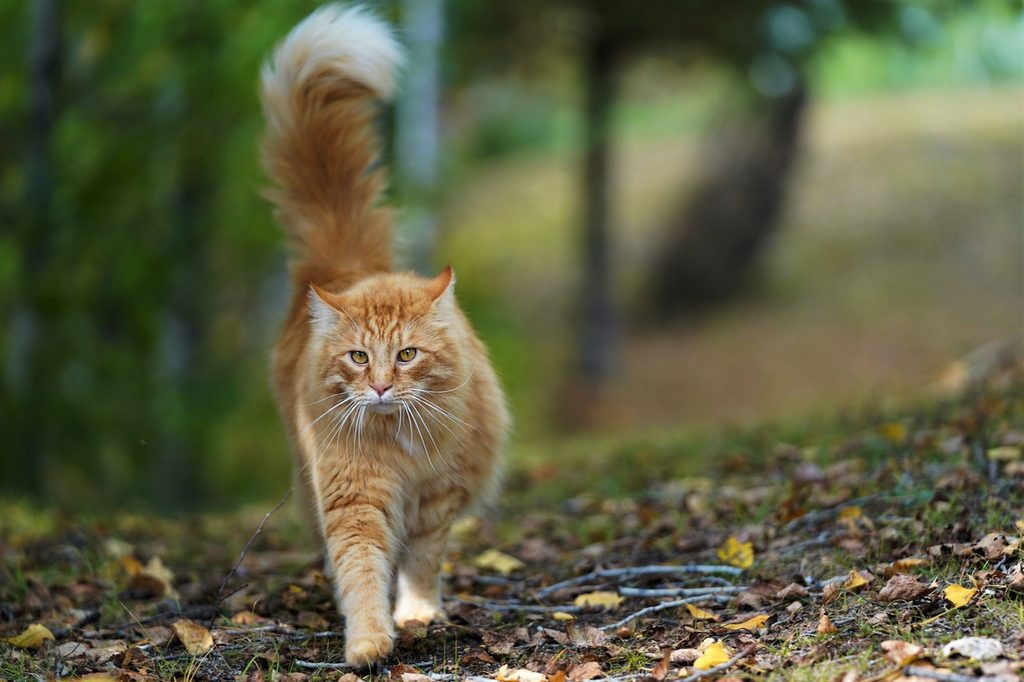
So, what makes orange cats orange? Just like with humans, it’s in their genes! There is one specific gene on the X chromosome that carries genetic codes for pigments called melanin. There are several different types of melanin that can determine hair and fur color, but the one that gives off an orange/red color is called pheomelanin. Red-haired people have this type of melanin, too.
3. All orange cats are tabby cats
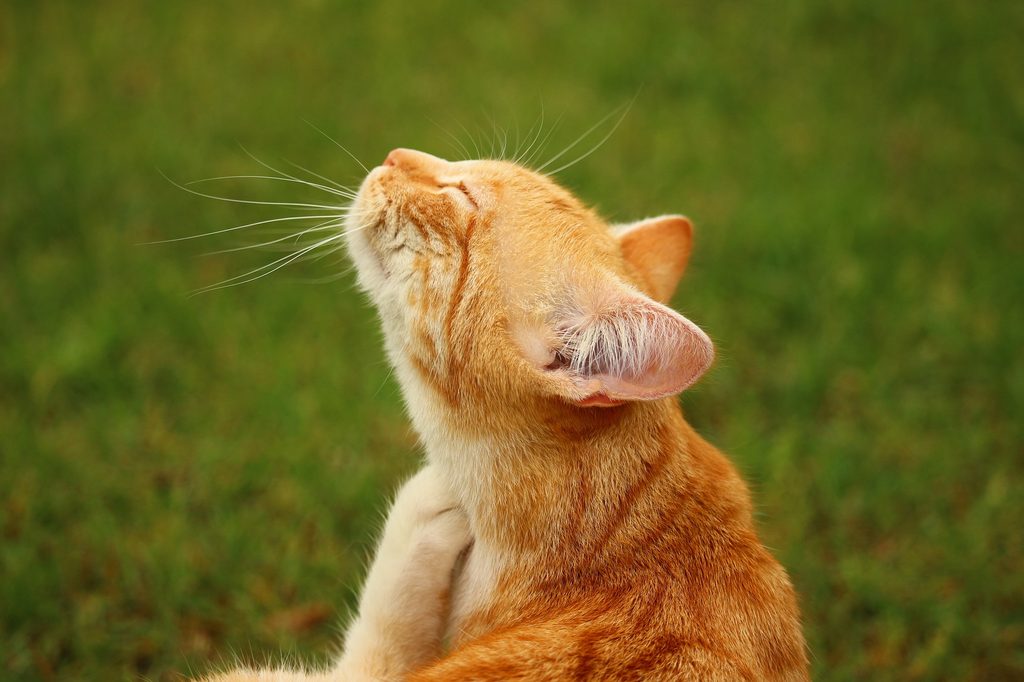
While some orange cats may look the same, you may just need a closer look. All orange cats are tabby cats — that’s true — but they can have variations of five different tabby coat patterns. Keep an eye out, though … some tabby patterns can be extremely hard to see. Regardless of what color their fur is, tabbies may have a butterfly pattern on their shoulders, a symmetrical bullseye-type pattern on both sides of their bodies, or even lines that meet in an M shape on their forehead.
4. Over 80% of orange cats are male
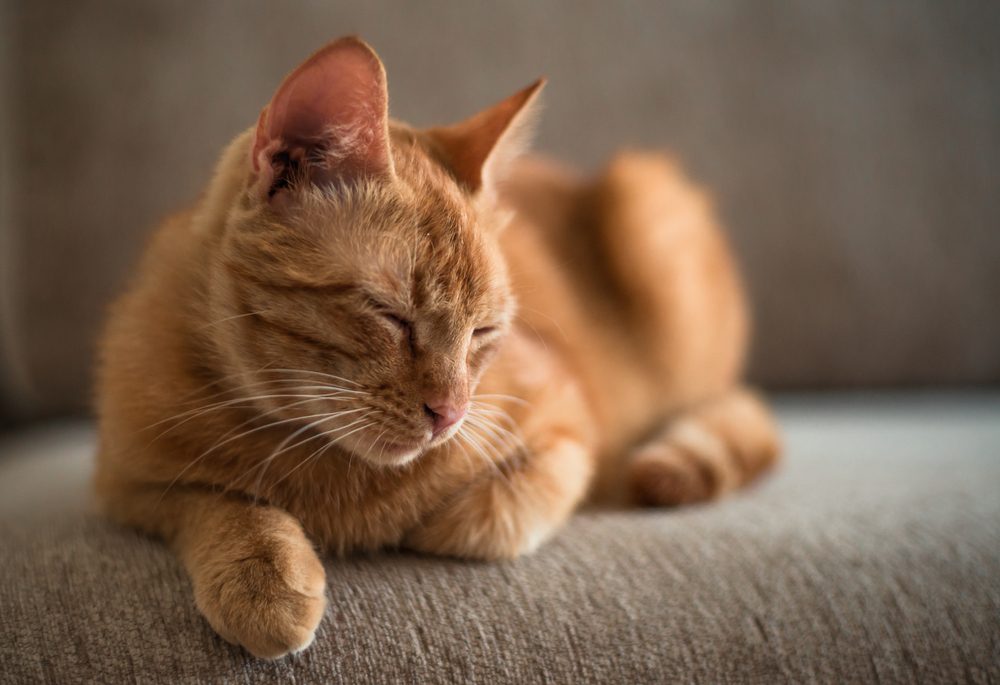
Because pheomelanin is carried on the X chromosome, it’s much more common for male cats to inherit orange fur. But why? Males have one X chromosome and one Y chromosome, so they only have to inherit the gene for orange fur from their mother. Females, on the other hand, have two X chromosomes. Because orange fur is a recessive trait, a female would need to inherit it from both parents in order for it to be her dominant fur color.
5. Orange cats skew toward extreme sizes
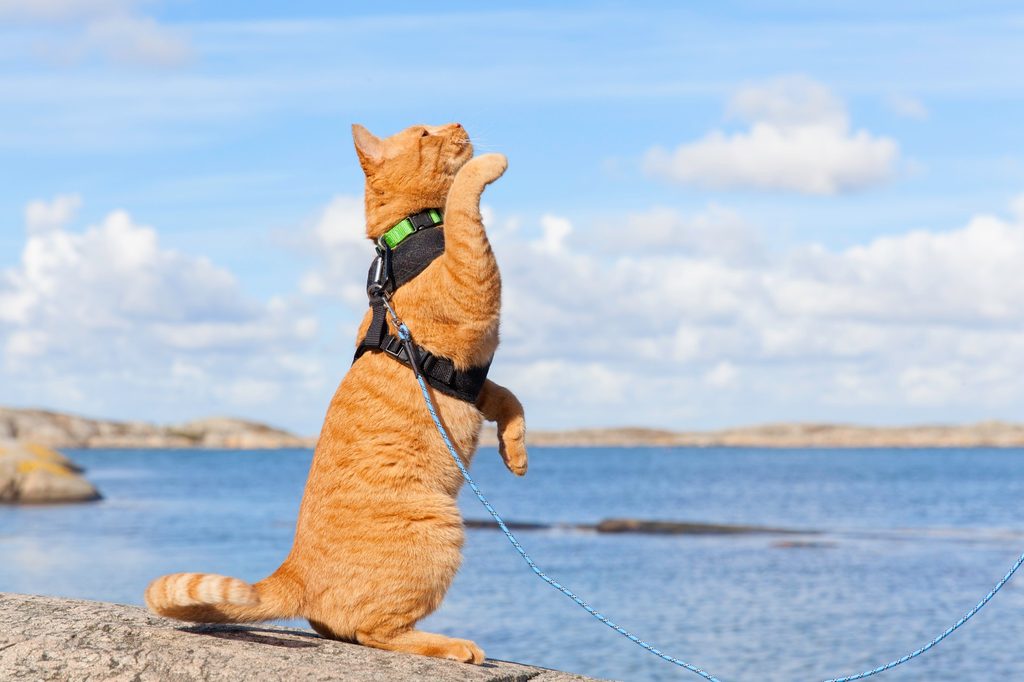
It’s normal for all male cats, regardless of breed or fur color, to be larger than their female counterparts. However, feline experts found that male orange cats tend to be extremely large, while orange females are extremely small. While there’s no definitive single explanation for this, it may have something to do with orange male cat competition in urban areas.
6. Orange cats are less common in urban areas
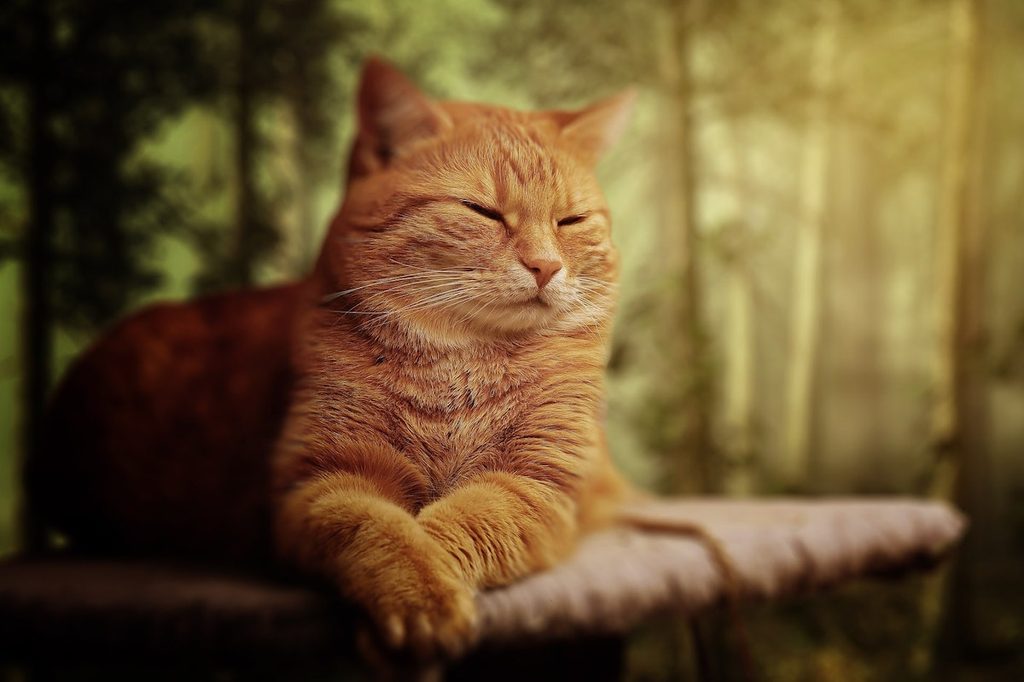
In a decade-long French study by D. Pointer et al., experts found that orange cats are more commonly found in rural areas like villages and farmlands. They’re less commonly seen in suburbs and cities. This may be because cats in rural areas tend to mate with just one partner, allowing orange cat genes more of a chance to be passed on. In cities, both male and female cats mate with multiple partners, allowing the recessive trait to get lost in the mix.
7. Orange cats are second least adopted at shelters
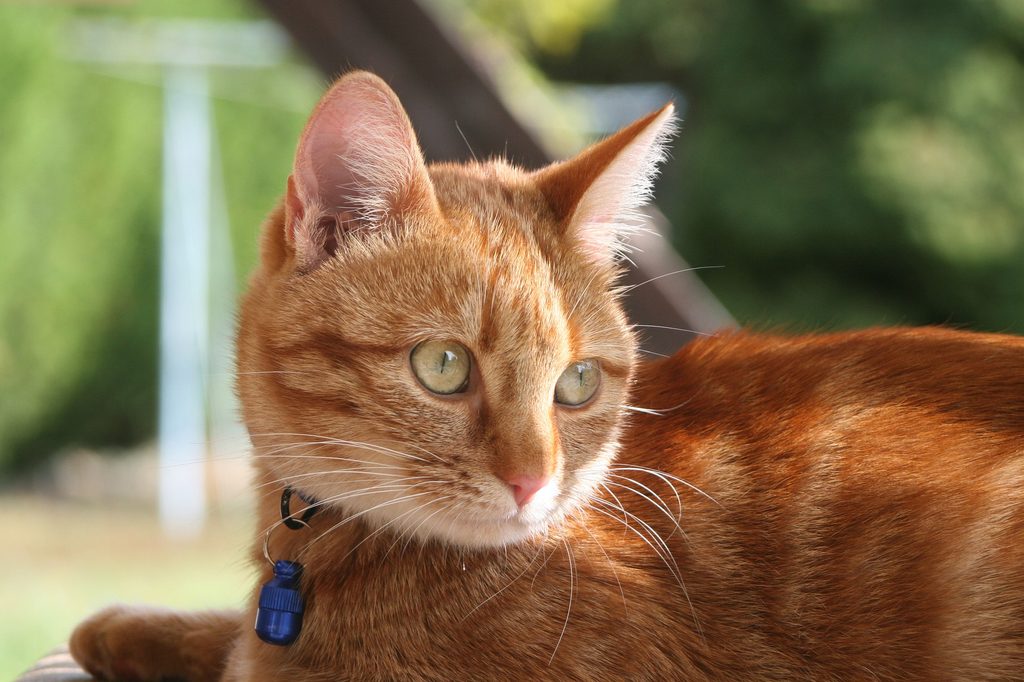
While there’s no doubt that orange cats are fascinating, friendly, and as loving as can be, it may come as a shock that they’re the second least adopted kind of cat in animal shelters. As you may have guessed, black cat superstitions have left them as the least adopted color of shelter cat, but with a little knowledge, you’ll see that the color of a cat’s fur has no determination of what a wonderful pet they can be.