Cats and water traditionally don’t mix, but cats and boats have been a match for hundreds of years. Cats were once considered to be good luck charms, and having a cat on your boat was highly desirable. Sailors appreciated cats for their mousing talents, and while boats have certainly evolved, many still have cats on board. But if you’re thinking of taking your cat on a boat, it’s important to do a little research and some planning to help ensure the experience is positive for everyone, particularly for your cat. Every cat feels differently about adventure, but your cat might be ready to sail the seas with you.
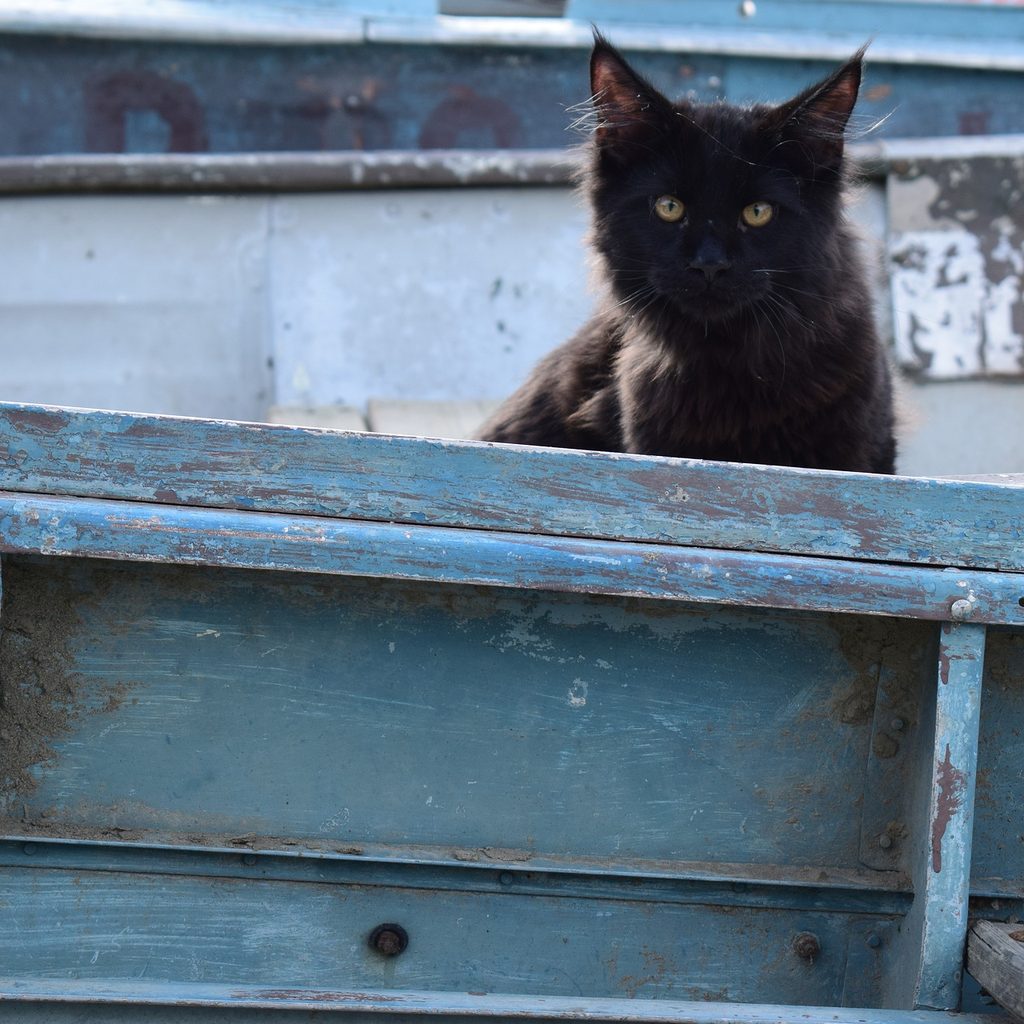
Can you take a cat on a boat?
According to Adventure Cats, you can absolutely take a cat on a boat as long as you take some safety precautions and slowly introduce your cat to the experience. Start with some training, and introduce your cat to clicker training and to voice commands. Teaching your cat to come when you call can help to keep him safe in an emergency on your boat.
Just like humans have life vests, your cat will need some safety gear, too. Buy a life vest that fits your cat snugly without restricting his ability to move. Make sure to choose a life vest with a handle on the back, which will make it easier to lift your cat out of the water just in case he goes overboard.
Once your cat has a life vest, it’s important to determine how well he can swim. Introduce your cat to the water in a controlled environment so he’ll be better prepared just in case he does ever end up in the water.
Next, gradually acclimate your cat to spending time on the boat. Start with a visit while the boat is docked, and let your cat explore the space. Create a spot on the boat for him where he feels safe and secure, such as by adding a pet bed and some toys from home below deck. Then, gradually increase the duration of these visits, and progress to short trips out on the water while ensuring your cat stays comfortable.
Can you keep a cat on a houseboat?
According to Houseboat Magazine, you can keep a cat on a houseboat. If your whole family will be using the houseboat as your residence, then it’s only natural to bring your pets along, too.
Before you start planning to move your whole family in, though, Just Houseboats recommends that you check out any applicable pet policies. If you’re renting a houseboat, that boat’s owner or the rental company might have policies permitting or prohibiting pets. Some rental companies prohibit pets out of concern about damages or allergies, so be sure that you adhere to those rules.
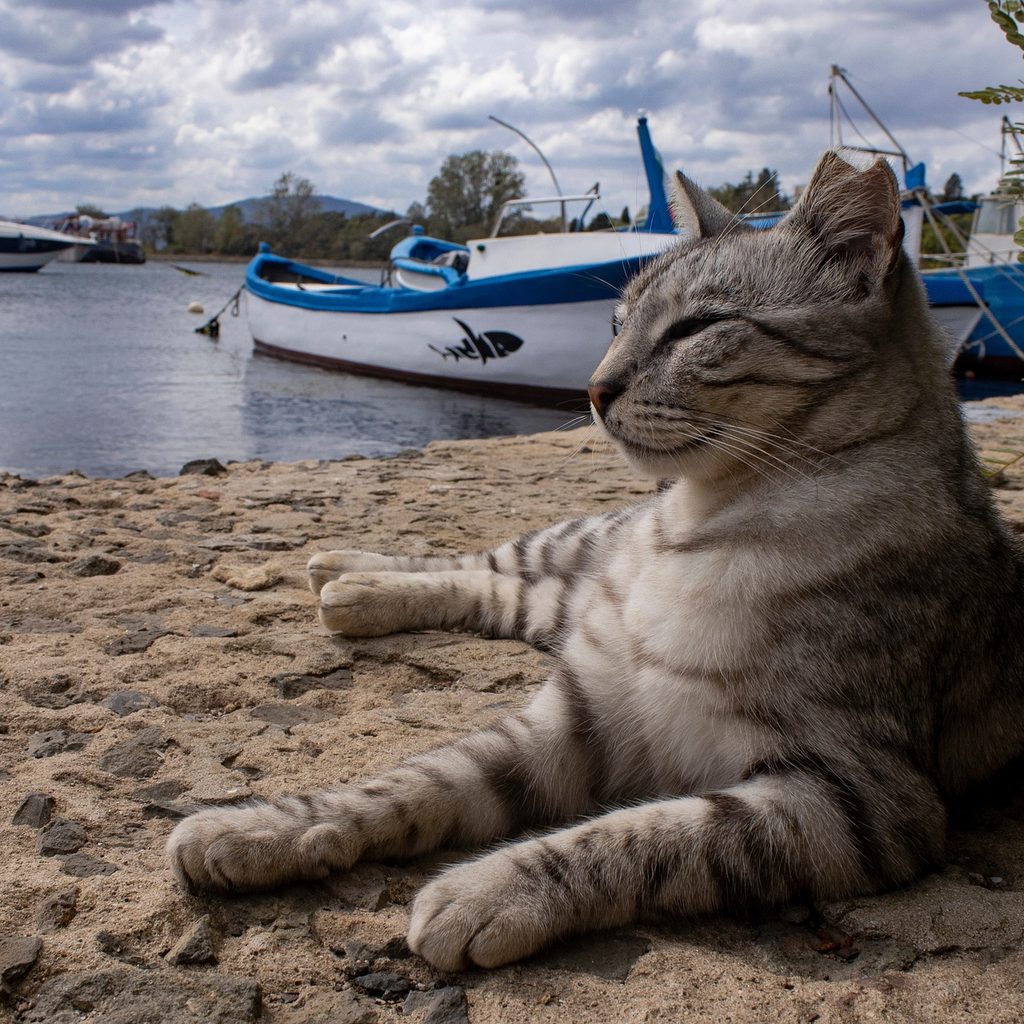
How do you transport a cat on a houseboat?
You may need to make some modifications to your houseboat to keep your cat comfy and safe. You’ll need to think about where you’ll keep your cat’s litter box and food and water dishes. Bring along some blankets or cat beds so your cat has a comfy place to sleep. Chances are your cat will find one of the bedrooms plenty comfy and will probably decide just where she wants to hang out for most of the day.
Pontoon Opedia notes that just like humans, cats can get seasick. You’ll want to be prepared with some cleaning supplies in case your cat’s stomach doesn’t agree with the high seas. If your cat frequently gets seasick, talk with your vet about any medications that might help her. If your cat doesn’t tolerate being on a boat very well, she might be happier staying home.
Getting your cat used to being out on the boat with you may take some time, and it’s important to stay open to the fact that some cats won’t appreciate being out on the water as much as you think they will. However, if you take things slow and introduce your cat to boating early on in life, you can increase the chances of your feline friend learning to enjoy this activity with you and your family. Make sure that you always prioritize your cat’s safety when you’re out on the water. With some careful planning and preparation, you and your cat might have many boating adventures together.