The Himalayan Persian cat is a beautiful cat that can make a fantastic pet. But there’s a lot of confusion around what a Himalayan is, exactly. If you’re looking for a Persian cat, you might find the Himalayan’s characteristics highly desirable, and it’s easy to see why. Himalayans are a type of Persian, and after learning more about this type of cat, you might be tempted to narrow your search down from a Persian to looking specifically for a Himalayan cat. Before you decide on what type of cat you want to add to your home, check out all that the Himalayan has to offer.
Are Himalayan and Persian cats the same?
According to Mondou, Himalayans are a type of Persian cat. They’re sometimes called colorpoint longhairs. While the Himalayan isn’t a breed, it is a subset of the Persian breed. They’re also highly popular.
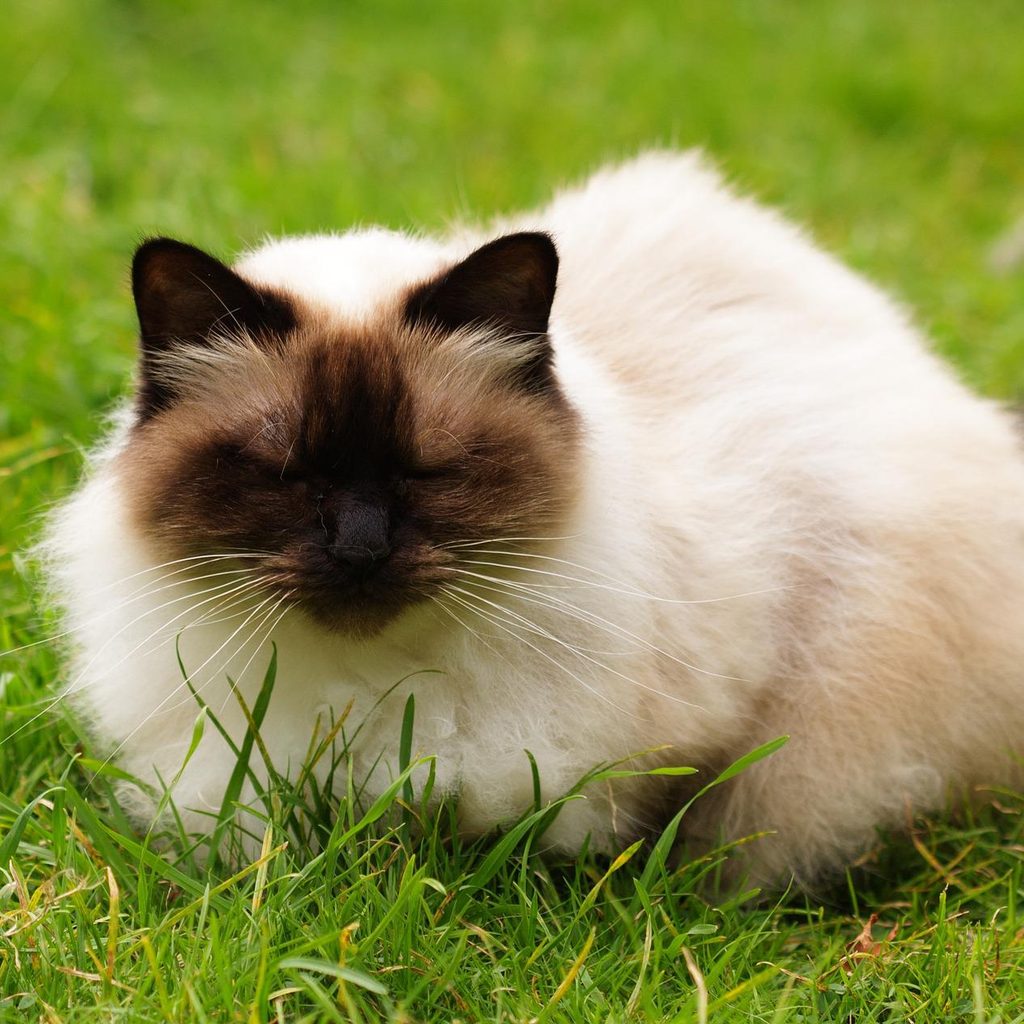
The Himalayan is a medium or large size and features a stocky body and bright blue eyes. They have a long, dense coat with a significant undercoat.
The Himalayan is most defined by its coat color. All Himalayan kittens are white when they’re born, but once they’re a few days old, their ears, face mask, paws, and tail become a darker color. Himalayan cats’ coats stay white or cream.
Himalayans also have a highly desirable temperament. While they behave much like Persians, Himalayans tend to be a little more active, but they’re still plenty calm. These cats tend to like to play, but they’re also more than happy to relax and enjoy some quiet time. Some Himalayans can get stressed when their household is busy, so they’re not always a great choice for families with young kids or highly active pets, like dogs. They tend to be quieter cats and don’t meow loudly. Instead, they tend to relax quietly in the background.
How do I know if my Himalayan cat is Persian?
Any Himalayan cat is naturally a Persian cat, because the Himalayan is a subset of the Persian breed.
Are Himalayan kittens expensive?
According to AdoptaPet, adopting a Himalayan can cost $75 to $150. Buying a Himalayan kitten can cost $600 to $1,300. Factors like the breeder you buy from, the cat’s bloodlines, and the cat’s color will all affect its cost, too.
Whether you decide to adopt or buy a Himalayan kitten, make sure that you budget for the other expenses that come with owning a cat. Necessities like food, flea and tick treatments, grooming, and vet care can all add up. Just like Persians, Himalayans require significant grooming, so make sure that you’re up for the task of giving your new cat the care he will need.
What is a Himalayan cat a mix of?
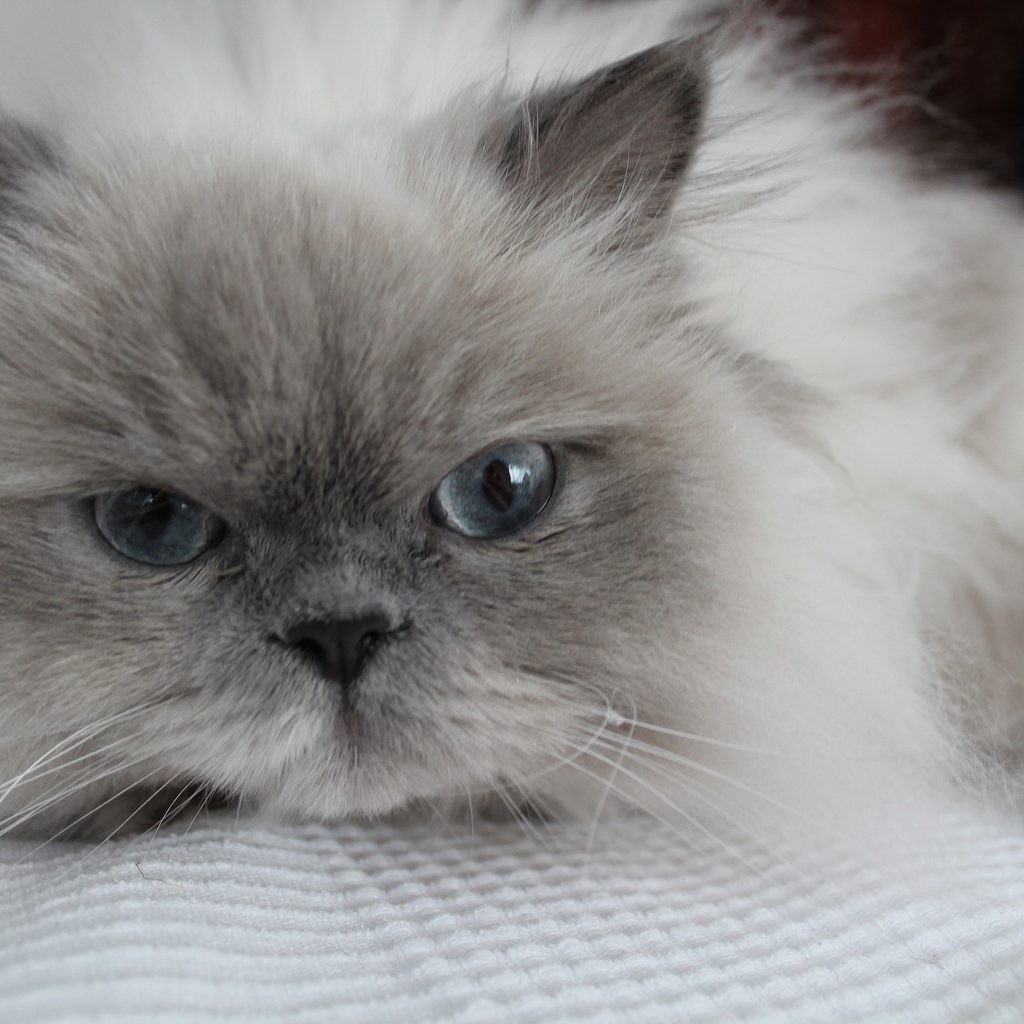
Mondou explains that the Himalayan cat owes its origins to a United States breeding program that started in the 1930s. The program focused on crossing a Siamese with a Persian in an effort to get the characteristics of a Persian cat with the coloring of a Siamese.
By the 1950s, there was renewed interest in this distinctive-looking cat. The UK recognized it as a Persian cat, and the American cat associations recognized the color as the Himalayan cat in 1957. Multiple cat associations in Europe consider the Himalayan as a color of Persian cat today, while others, including the American Cat Fanciers Association and the Canadian Cat Association, consider the Himalayan to be a breed.
If you’re thinking of bringing home a new cat, there’s a lot to consider. You’ll need to make sure that the cat has the right temperament for your home, and that your lifestyle will work with the cat’s preferences. For example, Himalayans tend to be a little quieter and more reserved than other breeds, so they’re often most happy in quieter homes. You’ll also need to be prepared for the care that the cat will require, in particular, the daily grooming that will help to keep his coat from getting matted. Keep in mind, too, that each cat’s personality and habits can vary. It’s best to take the time to get to know your new cat, to be honest with the breeder or rescue about what you’re looking for in a cat, and to make sure that the cat truly is the right fit for your home and family.