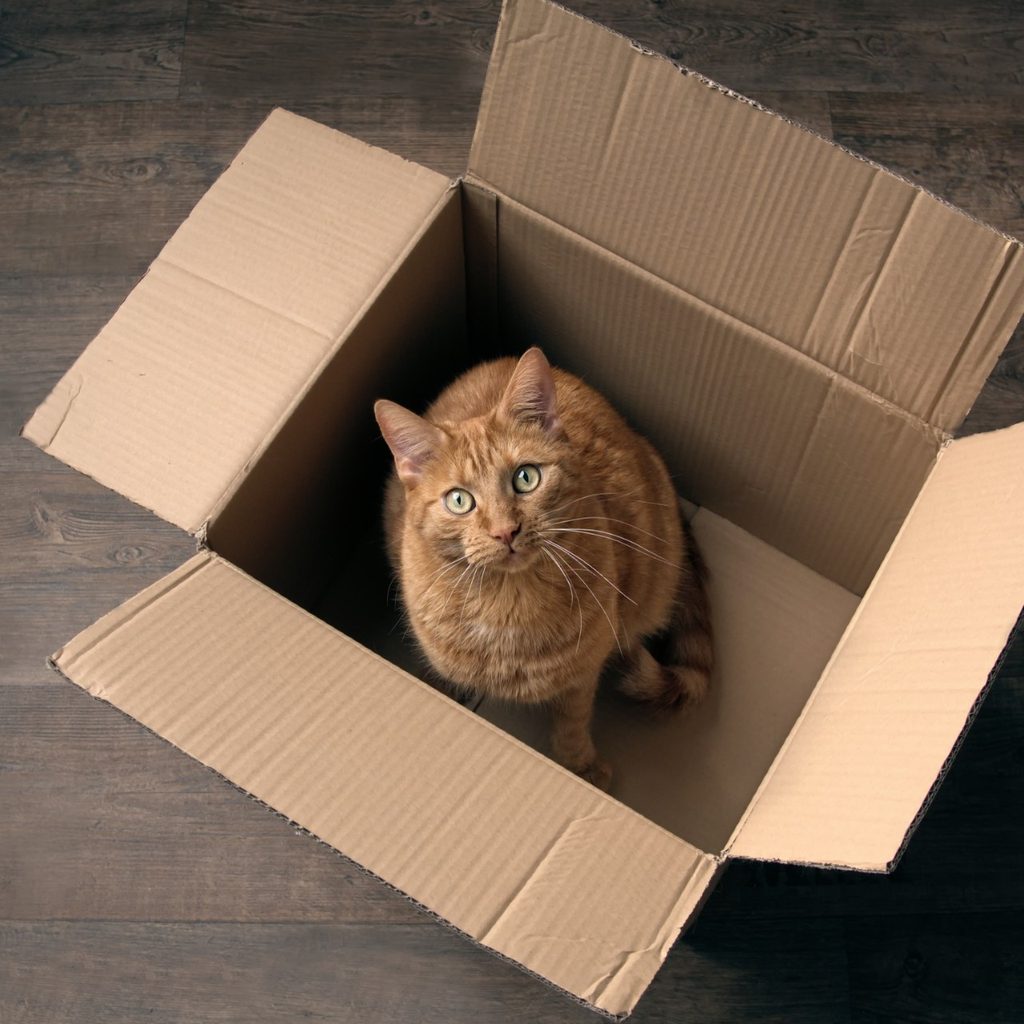
Whether you have a cat, know a cat, or have seen cute videos of them, you may be aware of their obsession with cardboard boxes. They sleep in them, hide in them, tear them up, and pounce on them. Their love for cardboard boxes makes getting a package in the mail exciting for both you and your cat. Your cat encourages your online shopping habits because it means another cardboard box for them. They can never seem to get enough. If you have ever wondered why or how they can be so entertained by a box, we’ll tell you all the secrets behind this simple pleasure.
A personal shelter within your home
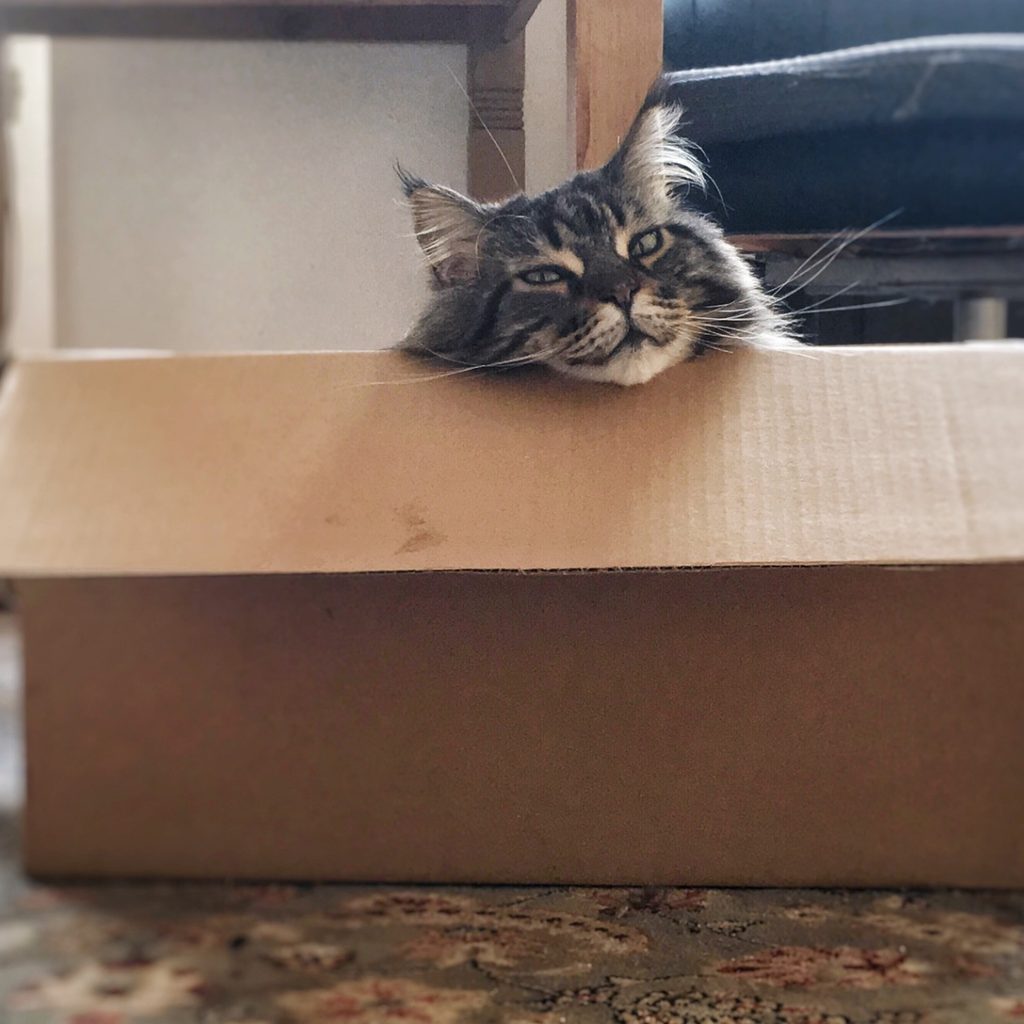
As it turns out, your house, apartment, or condo is simply not enough for your cat. They believe a cardboard box provides a better, more comfortable shelter than your home. Knowing the personalities of most cats may make this discovery unsurprising, but it’s true. Cats are quirky creatures, and a cardboard box provides a small, personal shelter that makes them feel safe. Cats love to squeeze into spaces that you would think are too small for them. This is because small spaces create a sense of security. Cardboard boxes are the perfect shelter for your cat. Whenever your cat wants to feel warm and cozied up, they look to a box with tall walls for simple, easy comfort.
Instinct
Every creature on earth has innate senses that tell them what to do and how to act. Even domesticated cats and dogs retain some of their natural instincts from their ancestors. Cats are natural predators — and, as predators, they hide out before striking their prey, ensuring the element of surprise. They love to pounce, and cardboard boxes provide the perfect hideout for pouncing strikes. Even though their “natural” prey in your home is likely your feet, your cat loves pretending to be a dangerous, wild predator. To cats, cardboard boxes are the perfect way to hide and stalk their prey for the perfect pounce.
For the fun of it
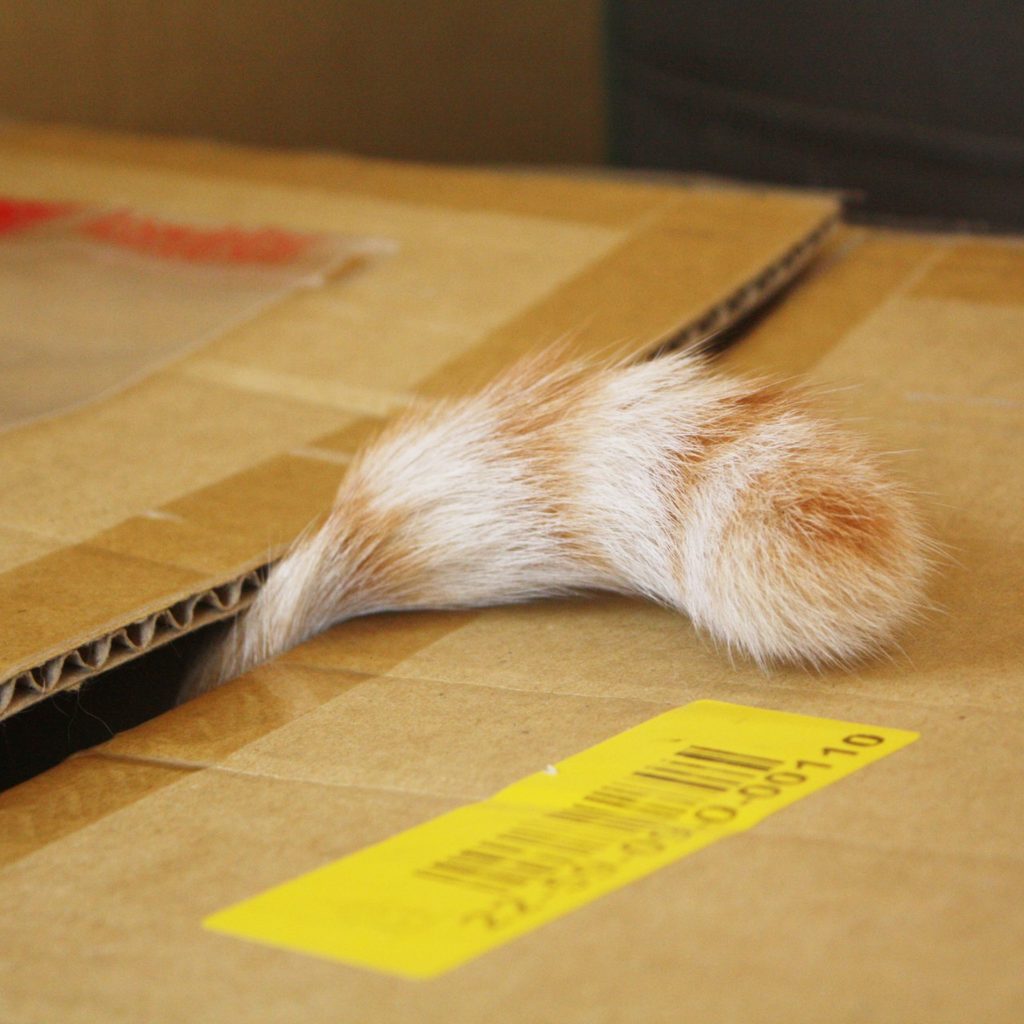
Toddlers and other young kids love huge cardboard boxes. You can hide in them, turn them upside down to create a fort, or design them into trains, airplanes, and more. Cats feel the same way. Think of your cat as a little kid, entertained by the simplest things that life has to offer. Cardboard boxes are fun because of their simplicity. Your cat can jump into it, smack it with their paws, claw it, or push it over.
These boxes also come in so many sizes, shapes, and smells that your cat will think every new one is more exciting than the last.
Stress relief
When cats are stressed out, they go to small, dark spaces to feel relief. Cardboard boxes provide the best shelter because there is only one opening. This way, your cat only has to watch one angle when it feels stressed or threatened. If you have ever gotten a new kitten or cat, they may have headed to the nearest sheltered location in your home upon arrival. This is their way of adjusting to new, unknown spaces. The same reaction occurs when your cat feels threatened by other animals, new people, or loud noises.
Having a cardboard box around may help your cat feel safer and more secure in the moments when they are stressed.
Insulation
Cardboard boxes retain more heat than you might think. A small box, sized perfectly for your cat, is perfect for when your furry feline friend gets the chills. Cardboard boxes retain body heat and will help your cat sleep comfortably through the winter or when your home is freezing from air conditioning. Whatever the case, a cardboard box to a cat is like a king-sized bed, fitted with the warmest, fluffiest blankets.
A cat can be one of the most interesting and fun pets you can get. They have tendencies that sometimes make you question their nature, but it only makes them more loveable. Their obsession with cardboard boxes may have been a head-scratcher for a long time. After reasoning and explanation, however, their little obsession with boxes actually makes a lot of sense. So, treat your best friend to one of the simple things they love.
Gift them a cardboard box to promote playfulness, create a sense of security, and provide the perfect, cozy home within your home.