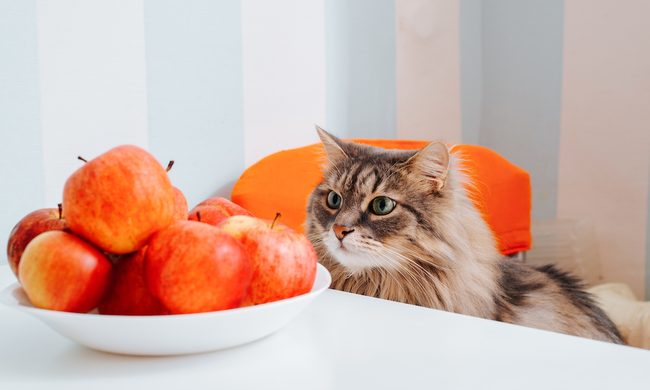
If you’re wondering, “Why is my cat throwing up?”, it’s only natural for you to wonder what’s going on. When you have a cat, you’ll need to clean up after him when he throws up from time to time. Cats vomit hairballs, and often that’s no cause for concern. But sometimes, there are other causes behind your cat’s vomiting that need veterinary attention.
Knowing what’s normal and what might be unusual for your cat can help you determine if it’s time to call a vet, or if there are other steps you can take to help keep your cat’s vomiting to a minimum. If you notice your cat vomiting, tracking when and how often it happens can help you to determine what might be causing the problem.
Common reasons why cats throw up
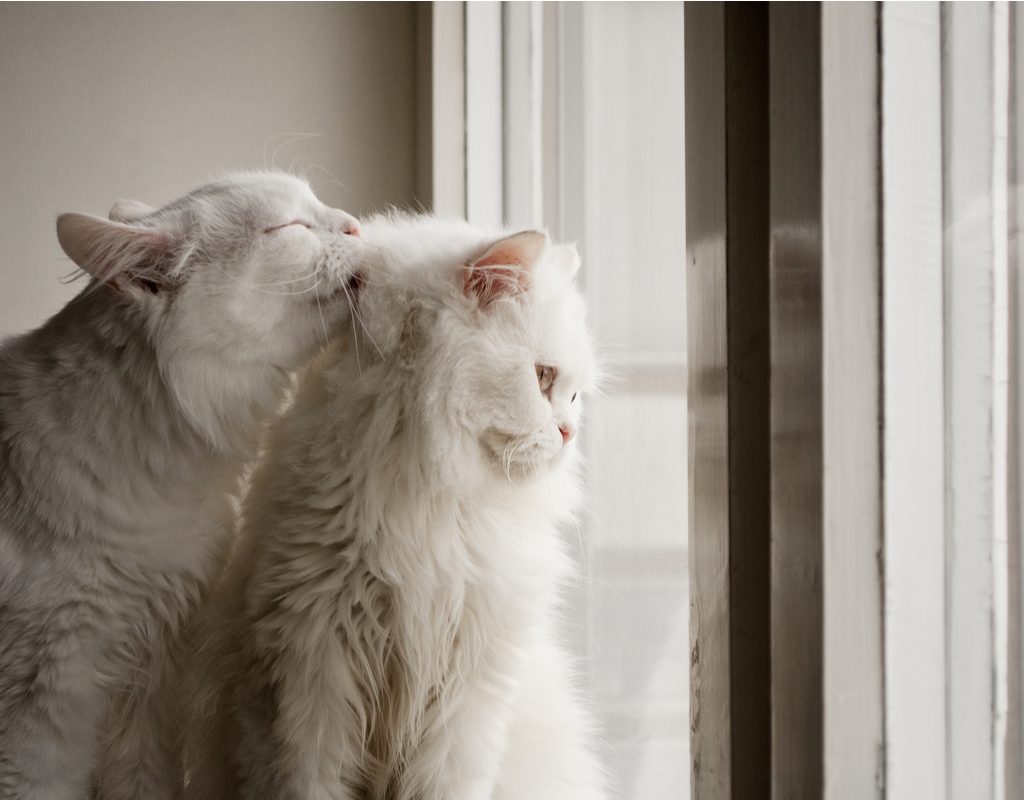
As far as why your cat is throwing up, there are a few common reasons that might explain the issue. According to Carolina Veterinary Specialists, your cat’s vomiting might be an effort to get rid of a hairball. Hairballs form as a result of your cat’s grooming efforts, and they’re more common in longhaired cats who have more hair to deal with. Cats who groom themselves very thoroughly may also be more prone to the problem.
Most of the time, cats can easily vomit hairballs, but if you ever notice your cat struggling, contact your vet right away.
Cats may also vomit after they’ve eaten too much food too quickly. Some cats just get extra excited about mealtime, and they scarf their food down and vomit soon after. If your cat loves to eat his food quickly, consider using a slow-feeding cat bowl designed to force your cat to eat a little more gradually.
In some cases, if your cat vomits immediately after he eats, he might be experiencing an obstruction in his digestive tract or a problem with his esophagus. Watch your cat carefully at mealtime to see if this is an issue, and get him veterinary help right away if your cat appears to be unable to keep any food down.
More serious causes of vomiting
While there are plenty of relatively harmless reasons why cats throw up, there can also be more serious issues behind your cat’s vomiting. PetMD explains that cats who have hypersensitivity to their diets might be experiencing an upset stomach that causes vomiting. Eating something they shouldn’t have or ingesting toxins can also cause vomiting, as can intestinal parasites.
Several other serious diseases can cause cats to vomit: pancreatitis, kidney disease, liver disease, cancer, diabetes, and certain neurologic diseases.
Treating vomiting in cats
The best way to treat your cat’s vomiting will depend on the issue that’s causing it. According to WebMD, you might explore several possible solutions at home.
If your cat is vomiting hairballs, then get in the habit of brushing your cat frequently to help keep him from ingesting so much hair. You can try feeding your cat a food that includes a hairball formula to help your cat’s digestive system break down the hair.
If your cat is overeating and then throwing up, try giving smaller, more frequent meals throughout the day so mealtime becomes a little less exciting.
You can also help prevent your cat from ingesting something harmful by keeping your house clean and keeping potentially dangerous items out of your cat’s reach. Keep medications, toxins like cleaning chemicals, bits of string and yarn, and other items safely stored away. Doing this could help to prevent a serious health issue and a trip to the vet.
When you should worry about your cat vomiting
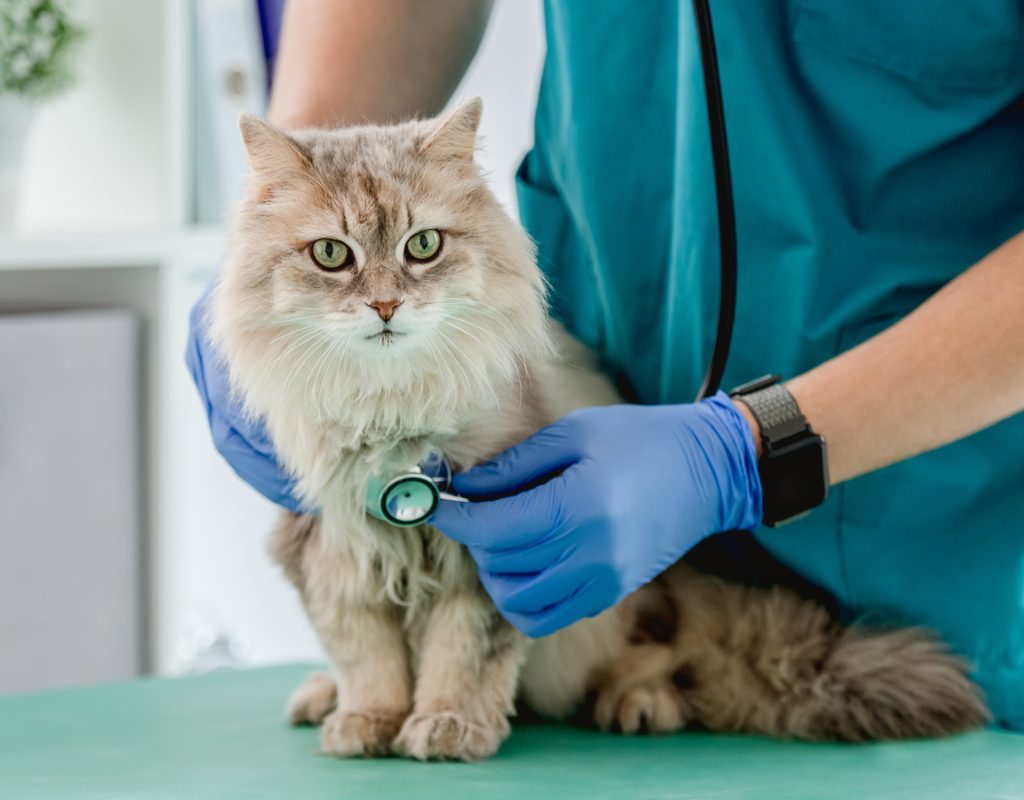
Dr. Elizabeth Racine at Great Pet Care explains that if your cat’s vomiting changes in frequency, consistency, or volume, then it’s time to get your cat to the vet. Vomiting paired with other symptoms, including fever, lethargy, loss of appetite, and diarrhea, is also cause for concern.
Final thoughts
Your vet can help to identify the cause of your cat’s vomiting and find an appropriate treatment. In some cases, like if kidney disease is prompting the vomiting, your vet will treat the cause. If your cat is vomiting because of hairballs or digestive upset, your vet might recommend more frequent grooming or even a dietary change. And, if your vet finds that your cat has ingested a foreign body that can’t make it through his digestive tract, emergency surgery will be in order. Since there are so many potential causes for vomiting, and some of these causes can be serious and even life-threatening, it’s always best to schedule an appointment with your vet just to make sure your cat’s OK.