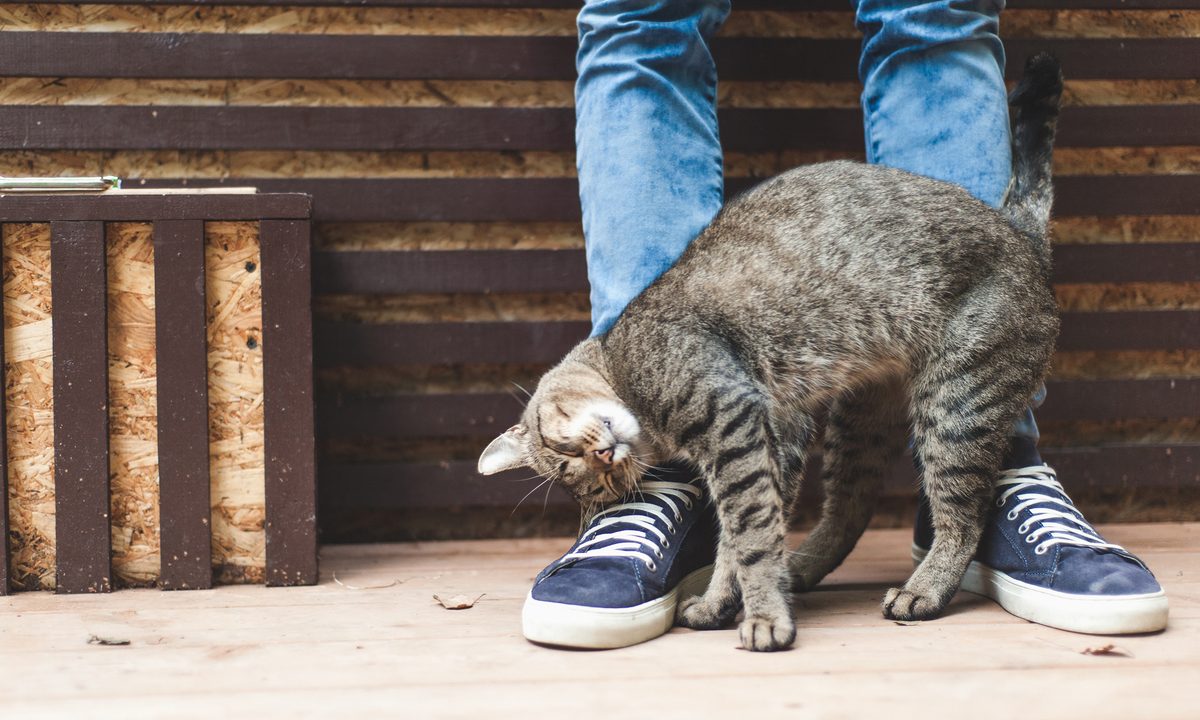
After you’ve been out for the day, you may have noticed that when you come home and sit down on the couch, your cat greets you in an unusual way. In addition to rubbing up against you, your cat might headbutt your head, hand, or legs. Cats headbutting our hands is particularly common and it doesn’t just say they want pets. It might seem like just a passing glance, but there’s actually significant meaning behind a similar behavior called bunting.
So, why do cats bunt or headbutt? It’s an important method of communication and can have multiple meanings behind it. The more you understand about this behavior, the better you’ll understand your cat.
Head bunting to bond
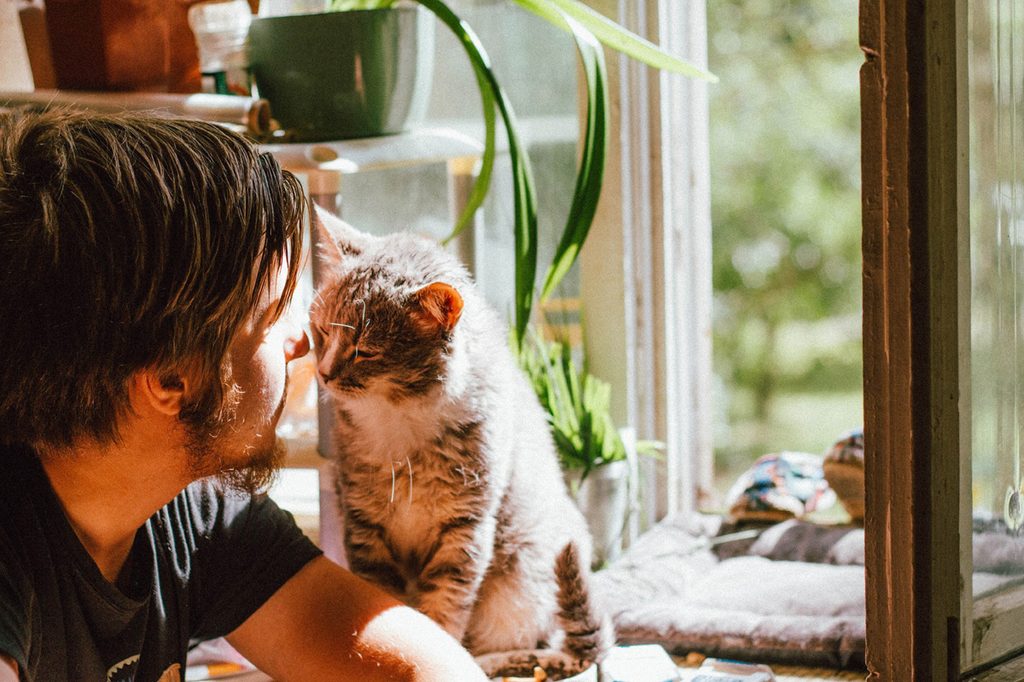
In many cases, cats head bunt as a form of bonding. When cats head bunt, they activate the scent glands on their heads, which are just below the ear. By rubbing against you, cats are transferring their smell to you, so you’ll smell and be accepted as one of them. This is similar to what cats would do when living in a colony — they’d head bunt others so all the cats share the same scent.
In this case, head bunting is a sign of affection and acceptance. Your cat is welcoming you into his world and even giving you the honor of smelling like him. This is something that your cat would be likely to do when you’ve arrived home after being out of the house, and he feels that it’s time to change your scent.
Head bunting in affection
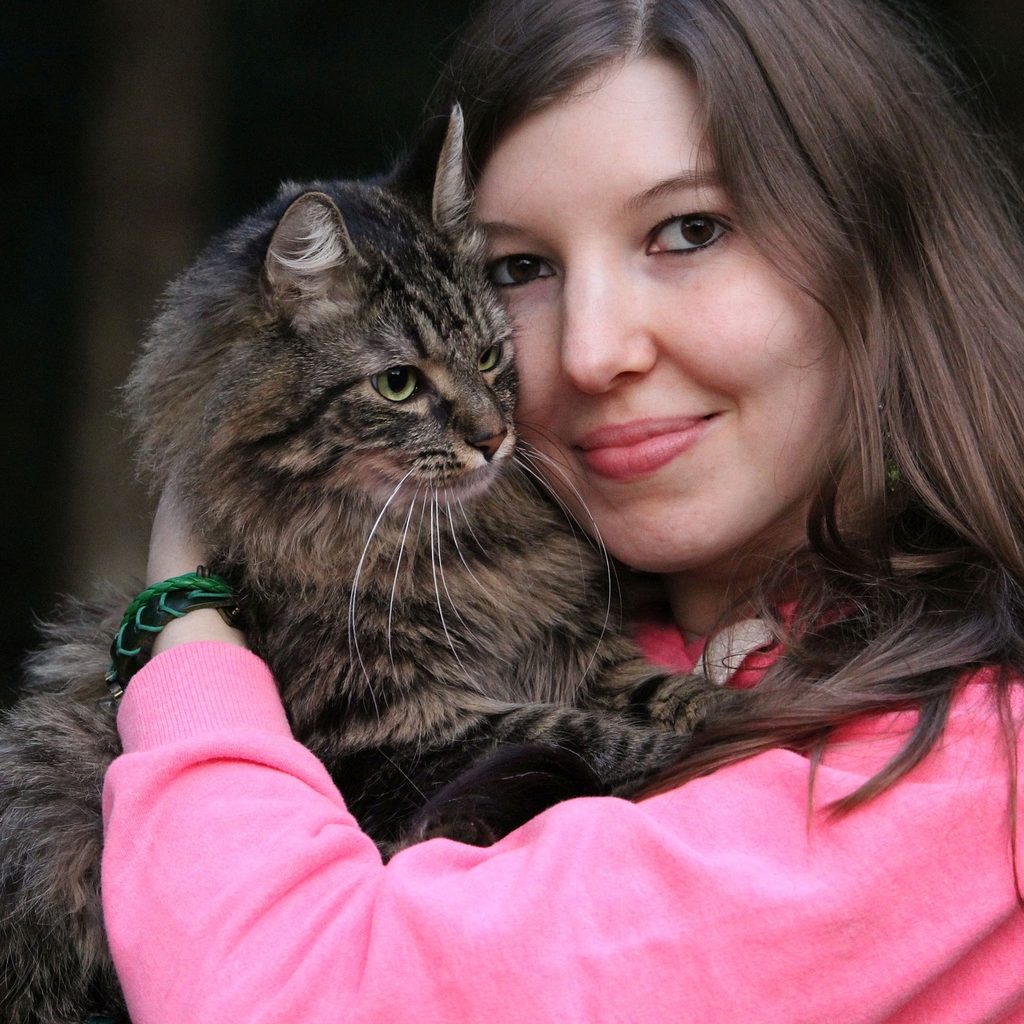
Cats also head bunt as a sign of affection. You can often tell when this is the case by watching your cat’s body language. He may purr, lie down periodically, flop over on your feet, and soften his eyes as he head bunts you. He’s showing you how comfortable he is with you and how much he loves you.
Your cat is most likely to head bunt out of affection when he’s feeling relaxed and secure. He might approach you while you’re sitting on the couch or are otherwise relatively quiet and still.
Why does my cat put their head in my hand?
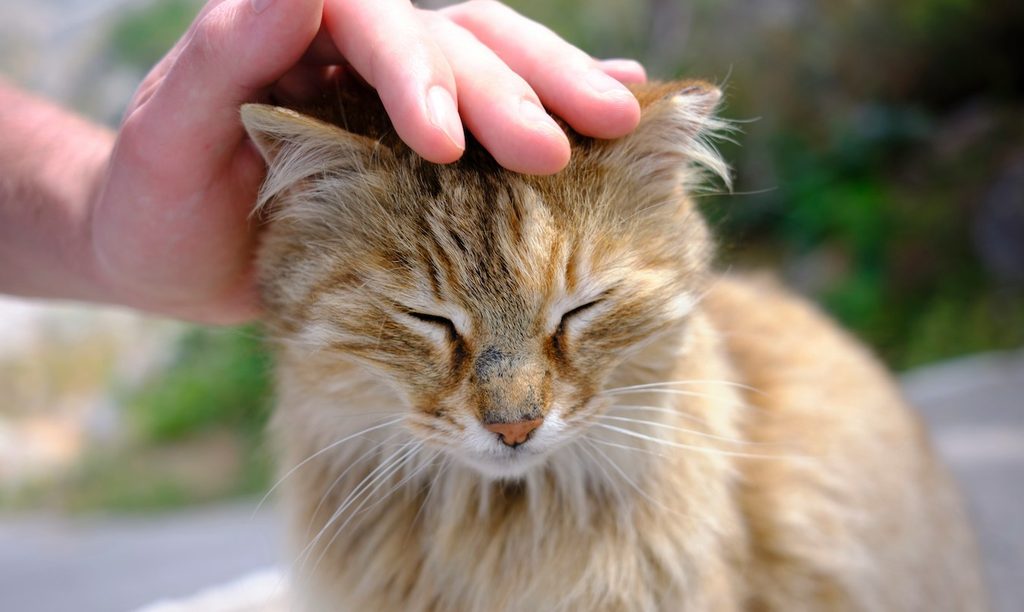
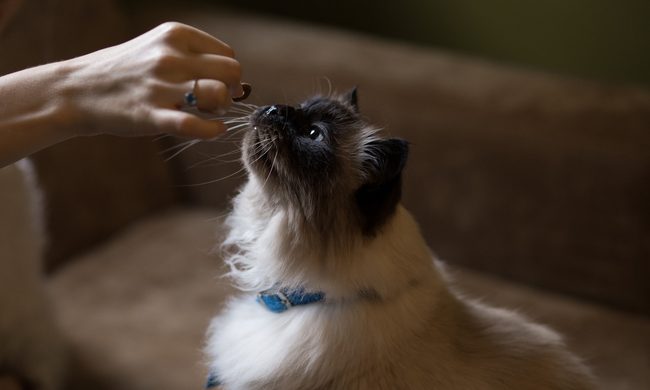
Sometimes this behavior doesn’t rise to the level of a bunt or butt and instead seems more of a gentle pressing into our hands. The reasons behind it are mostly the same, though he may also want scritches or cuddles too. When your cat shows this type of affection, he says that he trusts you and that your presence makes him feel good as well.
In fact, rubbing his head against you may release endorphins or other happy chemicals, leaving him calm and happy. Some cats don’t like to feel trapped and don’t want you to pull them in but many love the snug feeling of you giving them a little squeeze. Getting to know all of your cats signals is one of the joys of pet parenthood.
How to respond to head bunting
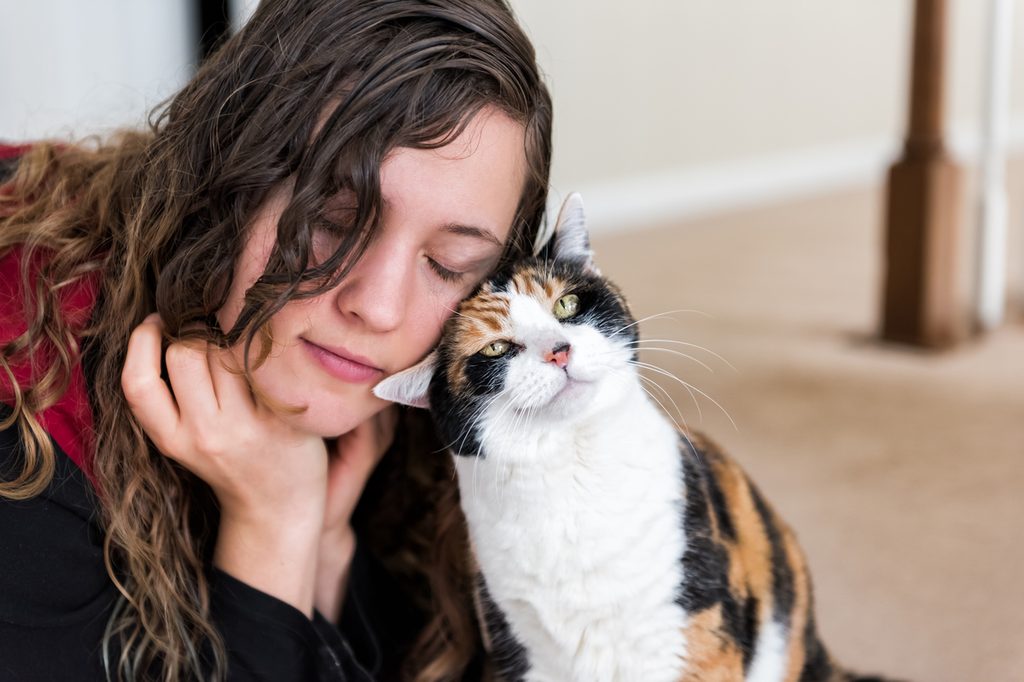
When your cat head bunts you, he’s showing you affection and telling you that he loves you. Be flattered and happy that your cat trusts you and likes you so much that he’s comfortable doing this behavior. A cat who head bunts you has accepted you as part of his family, and he’s demonstrating that bond with his behavior.
If you’re lucky enough to have your cat head bunt you, respond with affection, but cautiously. Your cat needs to trust you to be comfortable with your patting him during and after he’s head bunting you. However, if you know your cat well and he fully trusts you, then he will probably appreciate some mutual affection.
If your cat loves to have his chin scratched or the back of his neck rubbed, this is the time to treat him to some nice patting. Just keep an eye on his body language and make sure that your cat stays comfortable through the whole process.
A note about head pressing
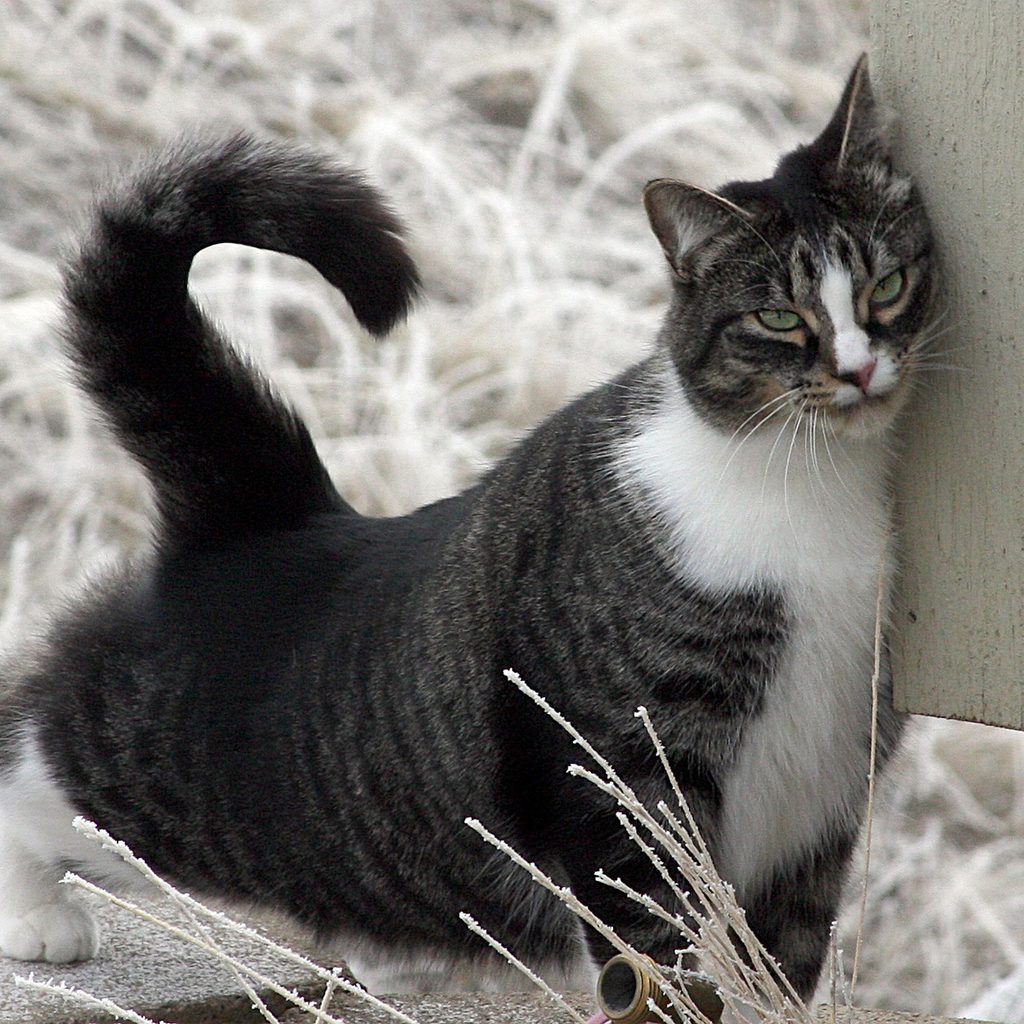
It’s possible to confuse head bunting with another cat behavior — head pressing. The two behaviors indicate distinctly different things, and head pressing is a cause for concern.
If your cat head presses, he is indicating that he’s uncomfortable. He may walk up to a wall and stand, pushing his head onto the wall. Some cats may even vocalize if they’re in distress. If you witness your cat head-pressing against a wall, furniture, or another object, call your vet right away. This behavior could indicate a neurological issue or another health problem that needs to be addressed.
Hopefully, you never witness head pressing but do get to see your cat head bunting you. This natural behavior indicates that your cat accepts you and feels affectionate toward you, and you should take it as a compliment. Head bunting is just one behavior that cats do to communicate. Learning more about cat body language and posture can help you better read the messages your cat is trying to convey to you. When you understand your cat’s body language well, you can tell when your cat wants affection, when he wants to be left alone, and when he’s feeling upset and may need a little extra support. Learning body language is a great way to deepen your understanding of and your bond with your cat.