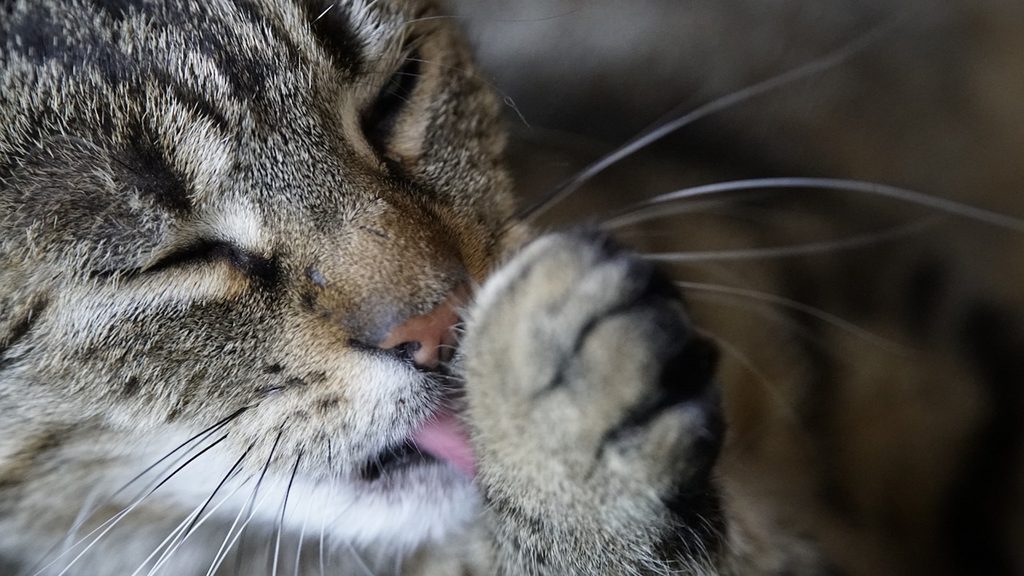
Cats spend the majority of their time doing one of a few things: eating, resting, grooming, using the litter box, or causing havoc. Their routines can become predictable at times, so it’s not even worth a second glance when you catch your cat licking themselves as obviously — and loudly — as possible. Cats groom themselves all the time, after all, but when does licking become a bit too much?
Even though cat grooming is completely normal, if it becomes noticeably excessive, your kitty may be licking themselves — or even licking you — for another reason. Luckily, we can help you understand why cats lick themselves and how you can tell what may be going on. Here’s what you’ll want to know and what to look out for.
Is my cat grooming? When licking is normal
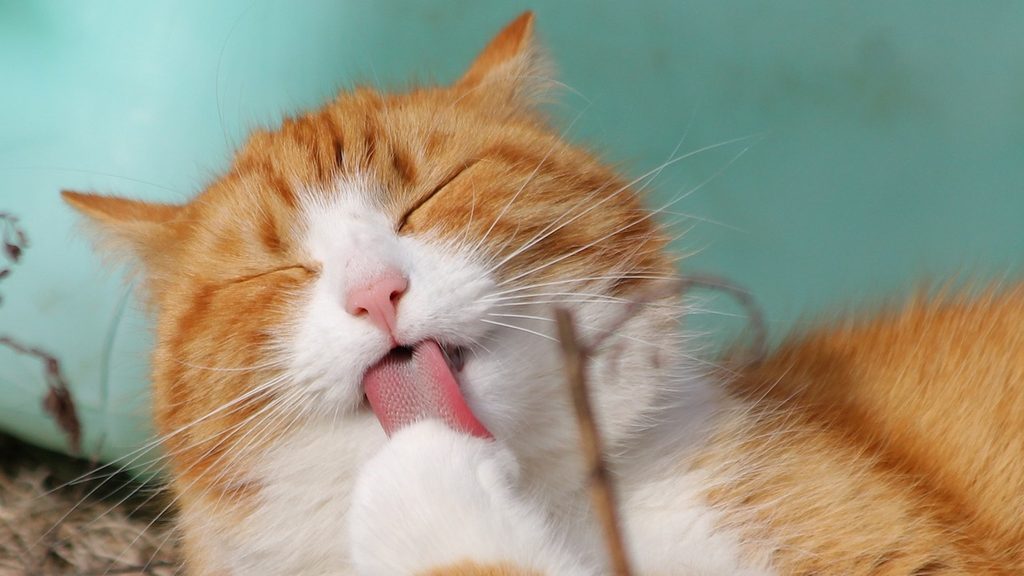
Most of the time, there’s nothing to worry about when your cat is licking themselves. This is a perfectly normal part of the feline grooming routine, and it happens from head to tail. It’s an easy and effective way to remove dirt, parasites, and dead skin cells from the coat, though it can also offer a satisfying, pleasurable feeling.
Some cats groom more frequently than others, but you can expect to catch your four-legged friend giving themselves a bath a few times a day at least. Veterinarian Pamela Perry from Cornell University College of Veterinary Medicine explains that some felines spend up to 50% of their day grooming, though it is possible to have too much of a good thing.
Overgrooming can result in bald spots, tenderness, and obsession
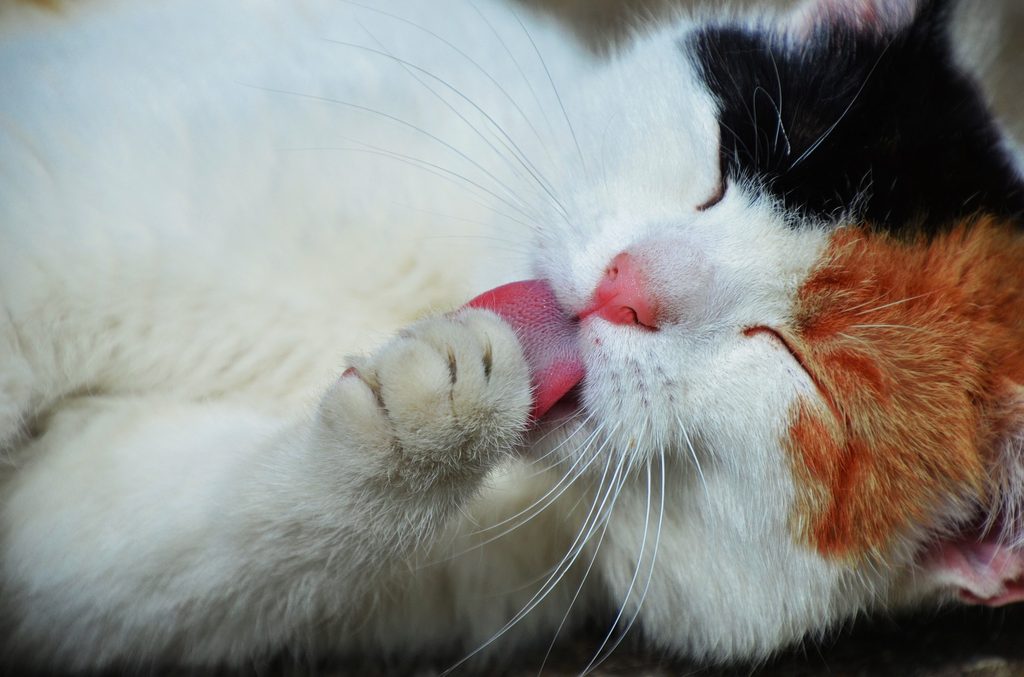
When cats overgroom, they become obsessed with licking and other grooming behaviors, usually out of stress. This behavior can sometimes begin as a surface-level scratch or something itchy on the skin, but can grow into a bigger and bigger problem. In severe cases, an overgrooming cat can give themselves a bald spot and even abrade the skin with their rough tongue, putting themselves at risk for infection.
A cat that is overgrooming will constantly lick, though it can vary whether it focuses on one spot or licks from nose to tail. Keep an eye out for excess hair loss, more frequent hairballs, and even injuries on your cat’s skin. This can happen as a result of extreme stress or as a reaction to changes in the home, so this is an indicator that you may need to keep a closer eye on your feline friend.
Your cat may be licking themselves to soothe an itch
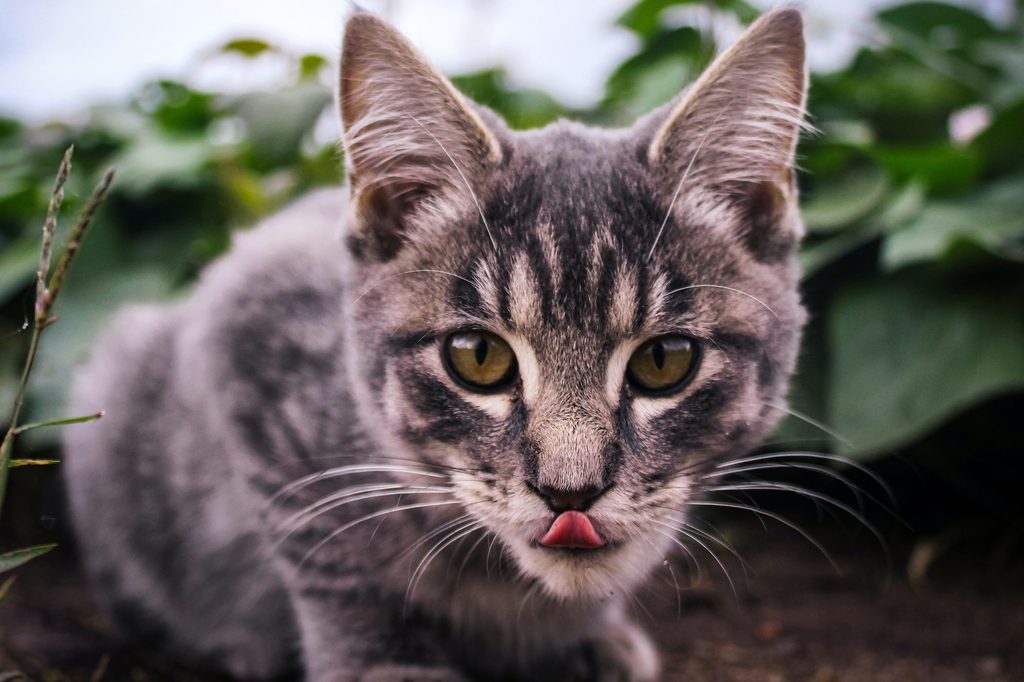
Because cats don’t have hands like people do, they have to find another way to scratch annoying itches. Paws may be able to help sometimes, but cats often use their sandpaper tongues to soothe itchy skin. If this is the case, your kitty will likely be licking one spot repeatedly — even obsessively. They may show other signs of discomfort, such as restlessness, skin redness, or moodiness, but the specifics will depend on what’s causing the itch in the first place.
Licking themselves can be a sign of dental disease
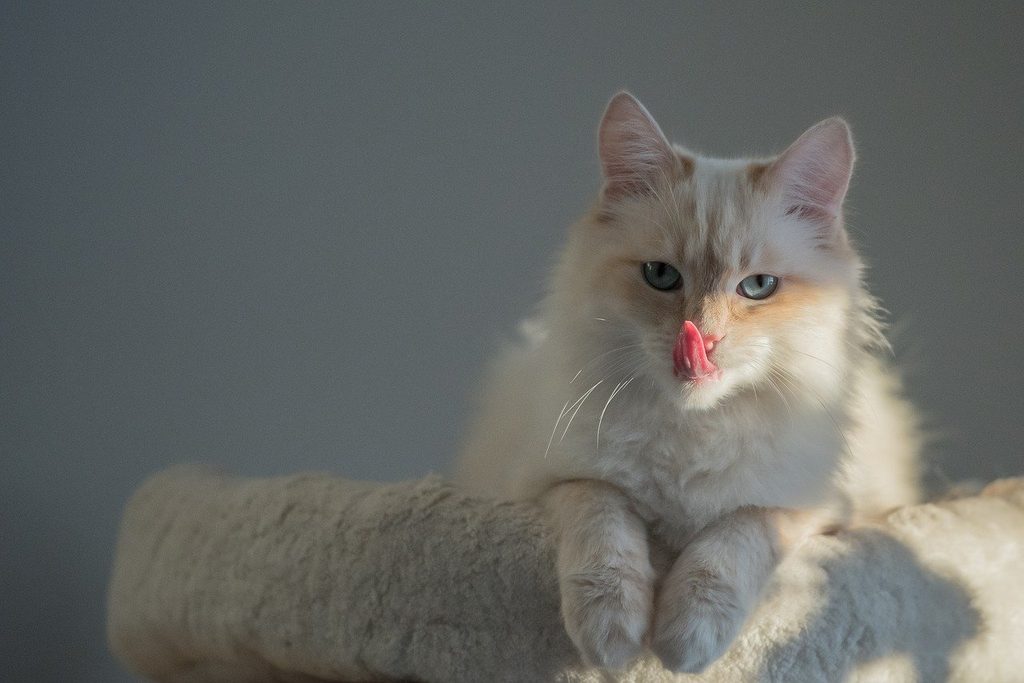
Occasionally, a cat’s frequent licking — especially on their face — can be a sign that their mouth is uncomfortable. Some cat owners and veterinarians have noticed cats licking their lips more frequently as dental disease progresses, possibly because of the excessive drooling that can occur.
This lip-licking behavior differs from normal lip-licking behavior after eating or drinking, and it may be accompanied by other signs of discomfort, like pawing at the face or refusing to eat. This is just another reason why it’s so important to stay on top of your pet’s dental health.
Cats may lick in an attempt to ease pain
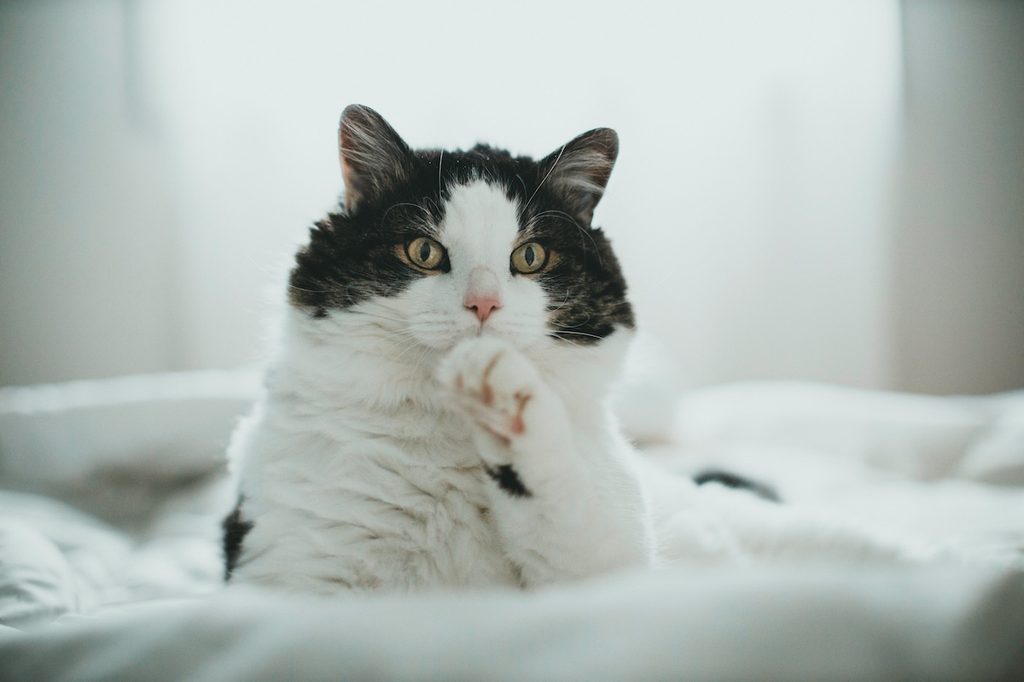
If you notice your furry friend licking their leg repeatedly, for example, they may not be scratching an itch or cleaning themselves. Some cats groom themselves in an attempt to soothe an injury or wound, even though it’s more of a comfort measure than an actual treatment. In the case of a surface wound, however, licking can actually serve a purpose by helping to keep the injury clean.
As the veterinary experts with Petplan explain, almost any physical discomfort could result in licking: Your cat may bite at its tail when feeling itchy from worms, while it may lick its belly out of discomfort from a UTI. Any new or excessive licking is worth keeping an eye on, though don’t be afraid to visit the vet if the discomfort seems to continue.
Cat grooming can strengthen bonds and make them feel good
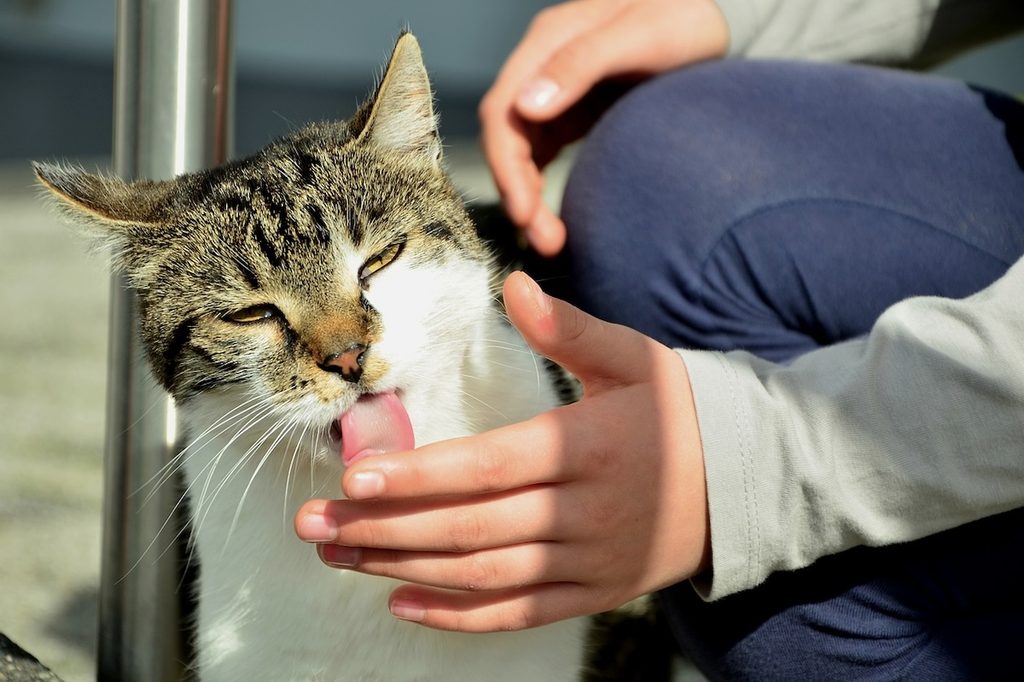
Sometimes, even extra licking isn’t anything to worry about. There are times when cats lick and groom themselves just because it feels nice to do. If you’ve ever brushed your hair and felt relaxed at the sensation, you’ll be able to relate. Grooming can be relaxing to a cat — whether they’re grooming themselves or a loved one – -and it’s not unusual for them to want to share the luxurious sensation.
Whether you always catch your cat grooming or have recently noticed this behavior, it’s worth keeping an eye on just so you can learn what’s normal for your pet. That way, you’ll be able to take action if this regular habit turns into something more.