
Every cat has their own special behaviors and personality traits that make them 100% unique, but pet owners know that not every one of those special traits is fun to deal with. Just think about it — odd cat sleeping positions or obsessions with catnip are one thing, but it’s not exactly a joy to come home to a cat that’s marked their territory around the whole apartment.
Meowing is another behavior that can drive even the most loving cat owner mad, especially when it happens over and over again. The only way repetitive meowing can get worse is when it happens in the middle of the night, but sure enough, plenty of feline owners find themselves asking, “Why does my cat meow at night?” Whether it’s out of burning curiosity or out of desperation for uninterrupted sleep, finding this answer can feel life changing.
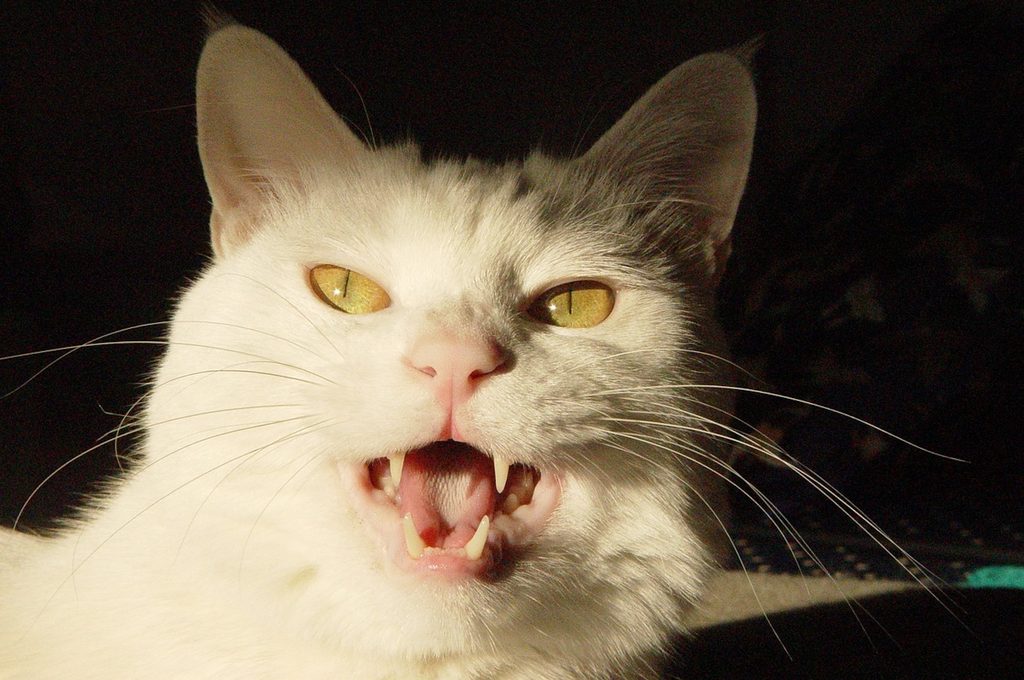
Why does my cat meow at night?
If your kitty frequently wakes you up with midnight yowling, it’s perfectly normal to wonder what’s up. Even though cats are naturally most active at night, being woken up by meows can become problematic for both you and your cat. But what does it mean?
Your cat is hunting
Cats are crepuscular, meaning that they’re most active at dawn and dusk. It’s just their nature to be up and at ’em when you may be snoozing, but most domestic cats also start to tune in to their family’s routines as they mature. So if your nocturnal meower is younger or new to your home, it may only be a matter of time before they get the hint that nighttime is for sleeping.
Additionally, nighttime is when wild cats tend to hunt. Your kitty’s strong instincts may help them tune into signs of prey while you’re catching your z’s, so there’s a strong possibility your cat’s sounds are just signs of their hunting activity.
Your cat is meowing out of boredom at night
Sometimes, a cat that hasn’t adjusted to their household’s routines may be bored while everyone is asleep. This can lead to meowing as an attention-seeking behavior, which is why it’s important not to feed their desire by giving them attention.
They may keep meowing for a few minutes after you ignore them, but acknowledging the meowing is more likely to encourage them to do it again another night. Instead of giving them the attention they’re asking for, try to think of new ways to keep them stimulated and moving throughout the day.
Your kitty may be asking to go outside
If your cat is an indoor/outdoor kitty that gets to come and go as they please, meowing could be their way of asking you to open the door for them. There may be something interesting outside they’d like to explore, or they may just be bored of being inside. Either way, the way they express it will be much the same: waking you up at night.
Rarely, nocturnal meowing can be a sign of a health concern
While most cases of meowing at night are not a cause for major concern, there are rare occasions when it’s a symptom of a bigger health problem. As veterinarian Susan Baker explains, an overactive thyroid is a common problem in older cats that can lead to a number of odd nighttime behaviors. The overactive thyroid may cause restlessness and a fast heart rate, among other symptoms, which often lead to nighttime pacing and meowing. Fortunately, overactive thyroid can be treated with the right medications.
Senior cats can become disoriented at night
As cats get older, their bodies and minds experience a lot of changes. Some senior cats develop a neurological condition called CDS (cognitive dysfunction syndrome), which leaves them disoriented, especially at night. Veterinarians don’t understand much about this bizarre condition, but it frequently leads to “altered cycles of sleep and wakefulness,” according to Cornell University’s College of Veterinary Medicine. This includes nighttime activity and vocalization, which can be equally confusing and stressful for the cat as it is for their owner.
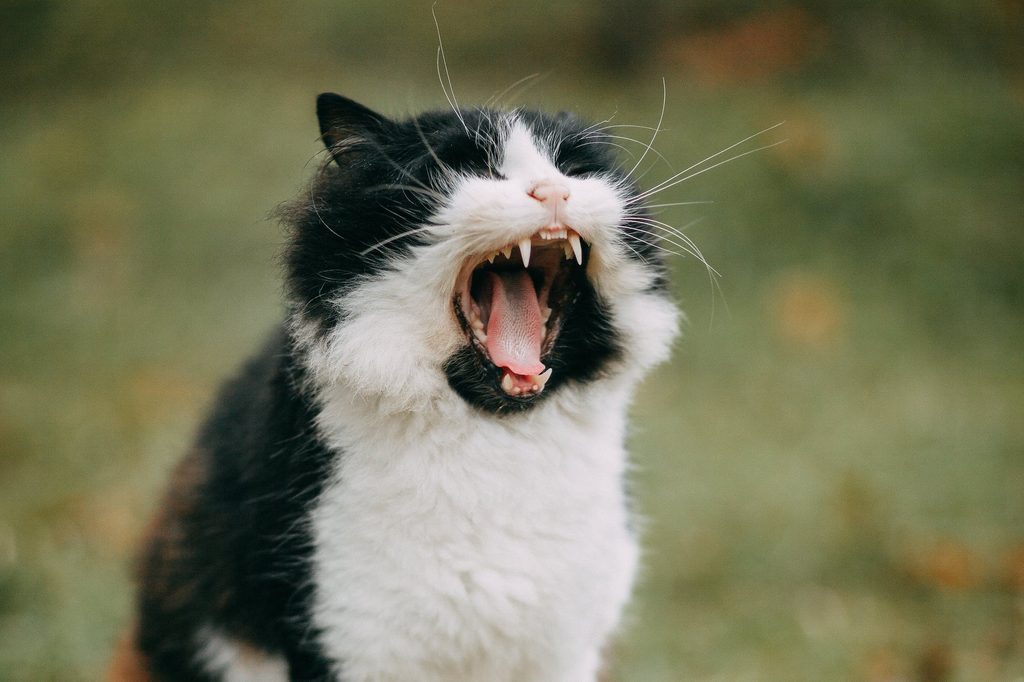
How to help your cat stop meowing at night
The first step toward stopping nighttime interruptions is to determine what’s causing your cat to meow at night. It may take some observation, time, and even a vet visit to find out what’s going on, but once you have an idea, you can take the appropriate steps to help your feline feel like their best self again.
If your nocturnal singer is new to your home, for example, it may be a matter of bonding with your new pet and waiting until they get the hang of new habits. If your indoor/outdoor cat is asking to go outside, you may want to establish more consistent routines around when to let them in and out. This way, they will learn what to expect, and they’ll know they’ll have another opportunity to go outside soon.
Be patient with your cat if they’re keeping you up at night with their meowing; they aren’t doing it just for fun. It may be a frustrating time for you both, but you’ll be able to get to the bottom of the issue with just a little diligence and observation.