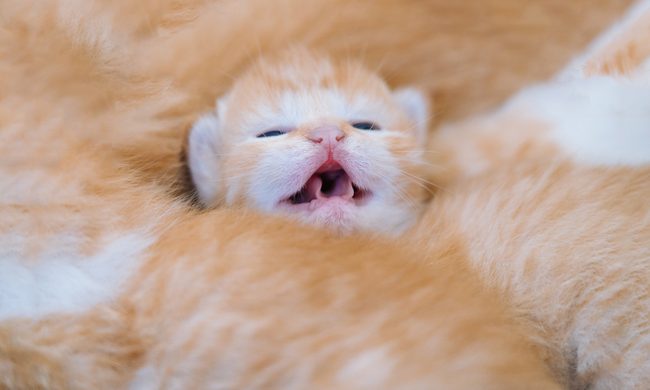
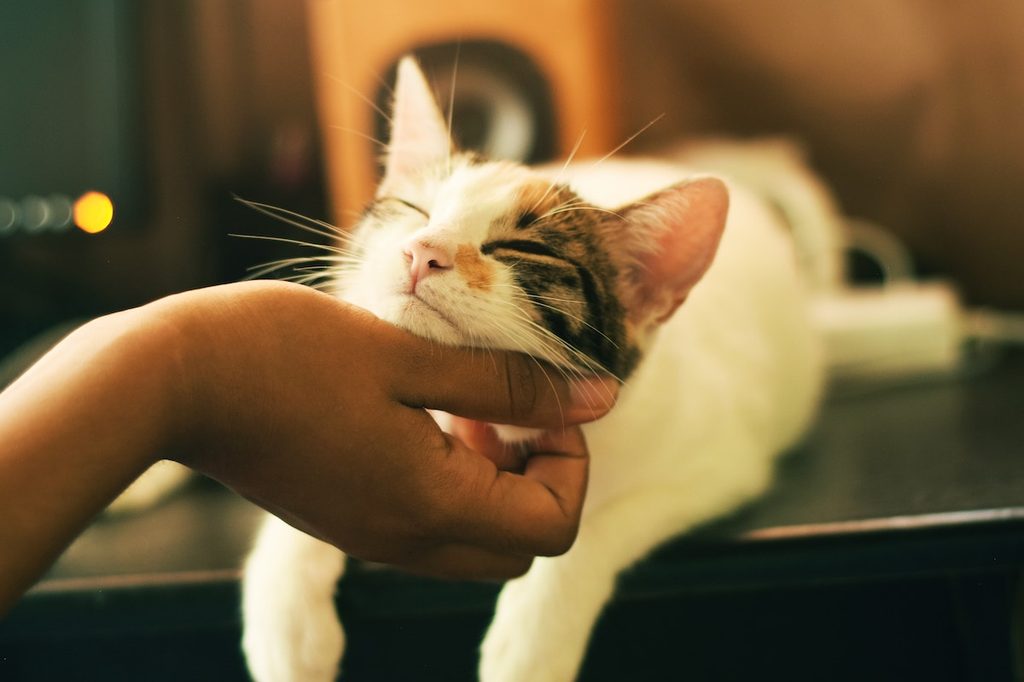
Chances are, you’ve heard that purring is a sign that a cat is happy. And in many cases, that’s true. Cats often purr during activities they enjoy, like being petted in that hard-to-reach spot or settling down for a nap in the sun. However, purring can have different meanings and causes than just indicating happiness.
Scientists are still working to understand this feline behavior fully, and new theories about the reasons behind purring continue to evolve. So, why do cats purr, and what does your cat’s purr really mean? New information may be coming out every day, but the information that we already have can help you better understand your cat.
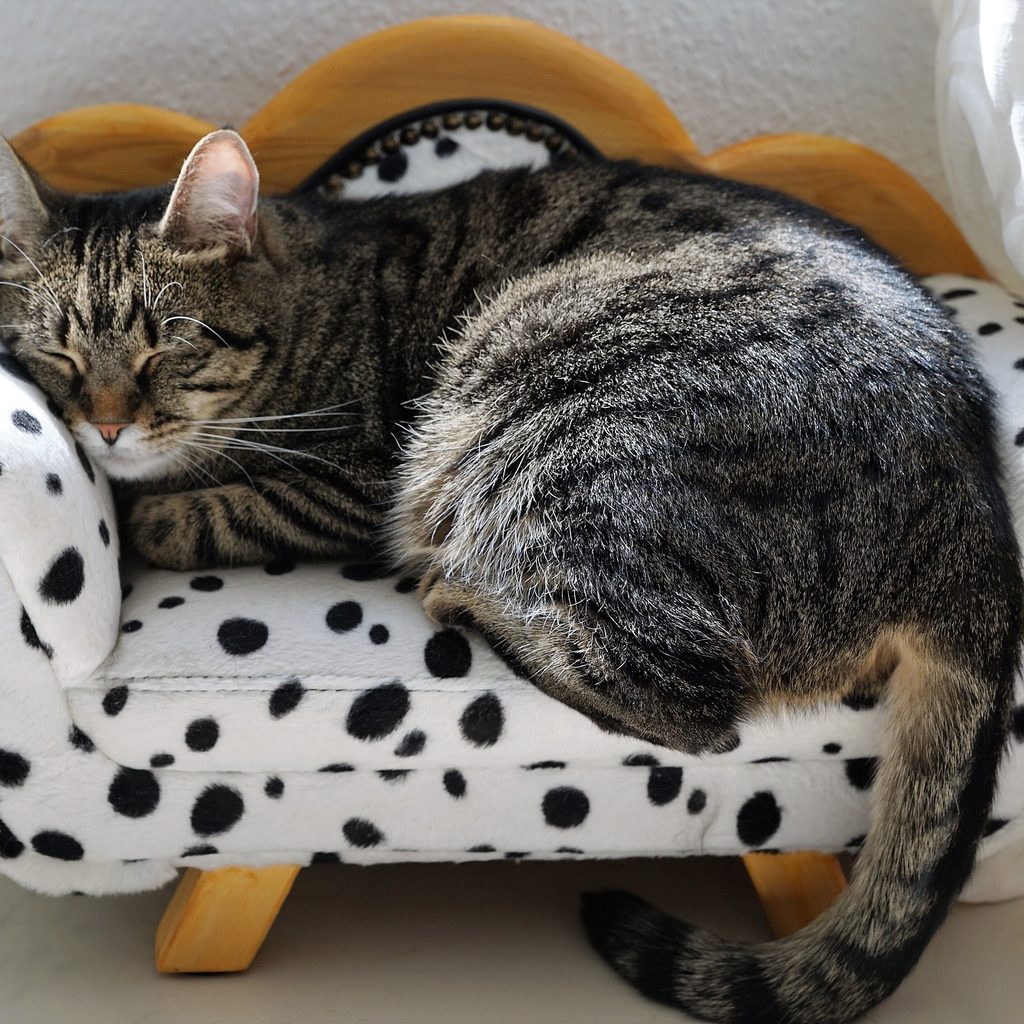
Are cats actually happy when they purr?
We’ve long believed that purring indicates that a cat is happy, and that may be true. Cats often purr when humans are petting them or when they’re kittens nursing from their mother. Because of this, purring is often acknowledged as a sign that a cat is content.
But purring can mean other things, too. Some cats purr when they’re stressed or nervous, and many cat owners have been lured in by a purr just to be swatted away by angry paws.
According to Scientific American, there may be another meaning behind your cat’s purring. Scientists who have researched purring found that the frequency of a cat’s purr can help improve bone density and even promote healing. Since cats tend to spend large amounts of time resting and sleeping, purring might help stimulate the muscles and bones without requiring the cat to exert large amounts of energy. This would also make sense as to why cats may purr when they’re stressed or injured. It might be that your cat is instinctively trying to heal and soothe themself.

Why do cats purr and then bite you?
Cats can purr when they’re stressed, so if your cat purrs and then bites you, you might be misinterpreting what its purring indicates. Carefully watch your cat’s body language for signs of what it really means when they purr. If you notice tension in its face, a tightly curled body, and a flicking tail, they probably don’t want to be pet.
It’s also possible that, even though your cat initially wanted you to pet them and was purring as a sign of happiness, they’ve decided that they’re done with the attention now. Cats can be quite sensitive, not to mention fickle, and if you were petting your cat in a way that they didn’t appreciate, they might feel like they need to bite you to get their message across.
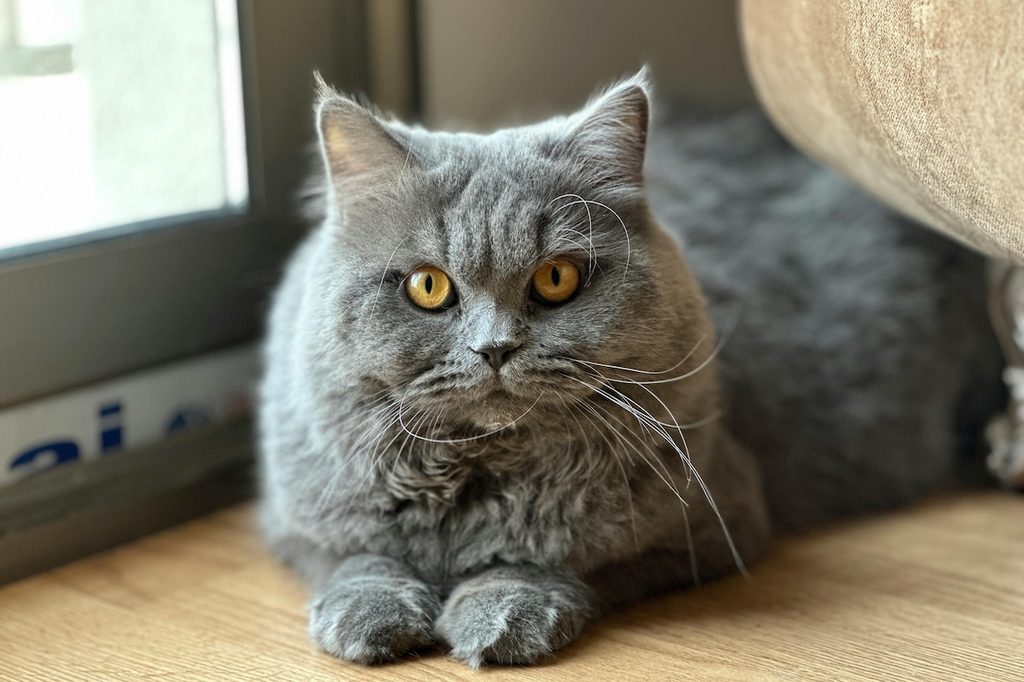
Can cats control their purring?
Not necessarily. NewScientist reports that purring is an involuntary response. Your cat may not even realize they’re purring and probably does this behavior naturally in different situations.
Why do cats purr loudly?
Your cat might purr loudly for various reasons. Some cats just naturally purr louder than others, but as your cat gets older, their purr may deepen and get louder. If your cat is truly, deeply happy, they may purr extra enthusiastically and turn up the volume.
The same thing can happen if your cat is deeply stressed or injured. They may purr extra loudly in response as their body tries to soothe itself. Essentially, the bigger the feelings, the bigger the purr!
Physical issues also can increase the volume of your cat’s purr. If your cat is overweight, they may purr more loudly. Cats who have a respiratory infection may also purr more loudly — look for further symptoms like a runny nose or watery eyes.

When to take your cat to the vet for changes in purring
Suppose you notice sudden, distinct changes in how your cat purrs. It’s a good idea to take them to the vet for a checkup. An abrupt change in purr volume, tone, or intensity might indicate a physical issue that you should rule out, just in case. As discussed, a number of physical symptoms and changes can affect a cat’s purr — from weight gain to respiratory illness — and it can be tricky to figure out the root cause of the issue.
Additionally, you may want to consider calling the vet if your cat that purrs frequently suddenly stops. In general, any big or sudden change should warrant your attention, but because purring is communication, it’s very important to pay attention to any unusual change. Cats are stoic creatures, and sometimes a meow or purr is the only indication that something is off!
Purring is a fascinating cat behavior that we’re still trying to fully understand. For now, we know that cats may purr for multiple reasons. They do appear to purr when they’re happy, but they can also purr when they’re stressed or upset, indicating this behavior may also be self-soothing.
The best thing you can do to understand why your cat purrs is to carefully watch him and look for other clues. Think about what’s happened just before your cat started purring, like whether something surprised them or whether they’ve settled down for a nap. The more you watch your cat, the more you’ll start to understand them and even gain insight into why they purr when they do.