

Bringing home a new dog can be one of the most fun, joyful, and memorable things you’ll ever do, but that doesn’t mean it’s always going to be a walk in the park. After all, adding four more paws to your family is a big decision to make, and it requires a lot of research, time, and care from everyone in your home. But if you do the research, practice consistency, and remain patient and loving with your new furry friend, you’ll set yourself up for success!
In the dog rescue world, a tried-and-true rule called the 3-3-3 rule can help new dog parents learn what to expect and how to help their dog thrive during their first few months at home. This adjustment period is vital for everyone’s feelings of safety and happiness in the family, but a little love, time, and patience go a long way. No two 3-3-3 rule dogs will be on the exact same timeline, but knowing this rule can give new adopters a sense of peace and understanding during an unstable time.
What is the 3-3-3 rule?
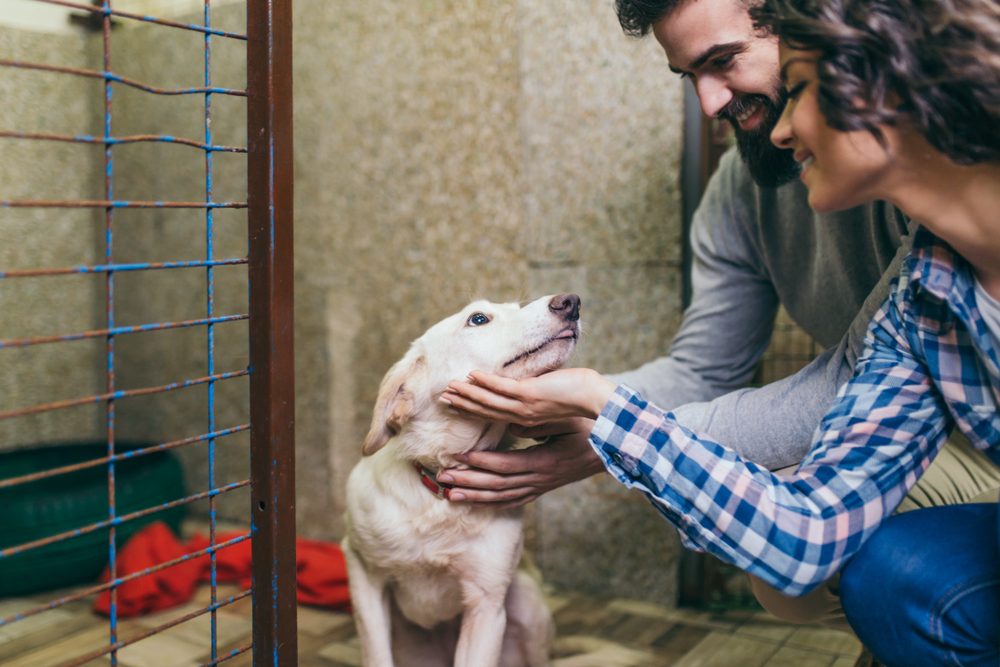
While its exact origin is somewhat of a mystery, the 3-3-3 rule is a helpful tool for learning the average timeline of a rescue dog’s first few months at home. It helps new dog owners understand how long it may take for a pup to reach certain milestones, and it encourages patience, baby steps, and positive reinforcement.
As the name implies, the 3-3-3 rule explains what dog owners can expect during a pup’s first 3 days, 3 weeks, and 3 months in their new home. This rule applies best to rescue dogs and foster dogs of any age, though some find this helpful when bringing home a puppy from a breeder, too.
The goal of the 3-3-3 rule is to create a strong, safe, and stable foundation for the relationship between a rescue dog and their new family. After all, dogs are creatures of habit that thrive on routine and regularity, so it’s essential to establish healthy habits and boundaries from the very beginning. Of course, it will take time before your daily routine looks or feels normal, and that’s OK. You’re all adjusting for the first few months, if not longer, so keep your expectations in check during this time.
The first few days with 3-3-3 rule dogs

Decompression is key during a dog’s first three (or more) days in their new home. Give them plenty of space to explore their new home at their own pace, and don’t force your new friend to interact before they are ready. If you’re able, give them their space to rest, hide, or begin exploring, depending on their comfort level.
Blocking off a room with a pet gate is a popular choice, as it allows the dog to see the rest of the home and interact at the gate when ready. Make sure they have dog food, water, toys, and any other comfort items with them in their room, even if it’s only temporary. Keep potty breaks short and sweet until your pup begins showing interest in walking or sniffing around.
It’s normal for a dog to be nervous, confused, and even fearful during this time, but try your best to resist your urges to comfort them with endless pets and cuddles. If a dog initiates it — great! — but they may find close proximity even more overwhelming at first. It’s nothing personal. Instead, positive reinforcement with dog treats and a calm, happy voice may be your best bet at helping a dog feel comfortable.
As anyone who’s adopted a dog will confirm, your first few days together may be a bit of a blur. There’s a lot going on. If you can, try to prepare for your furry friend’s arrival by purchasing pet products in advance. Knowing your buddy’s approximate size and weight will be helpful. This way, you won’t have to worry about shopping and running errands when you bring your pup home.
The first 3 weeks with a rescue dog
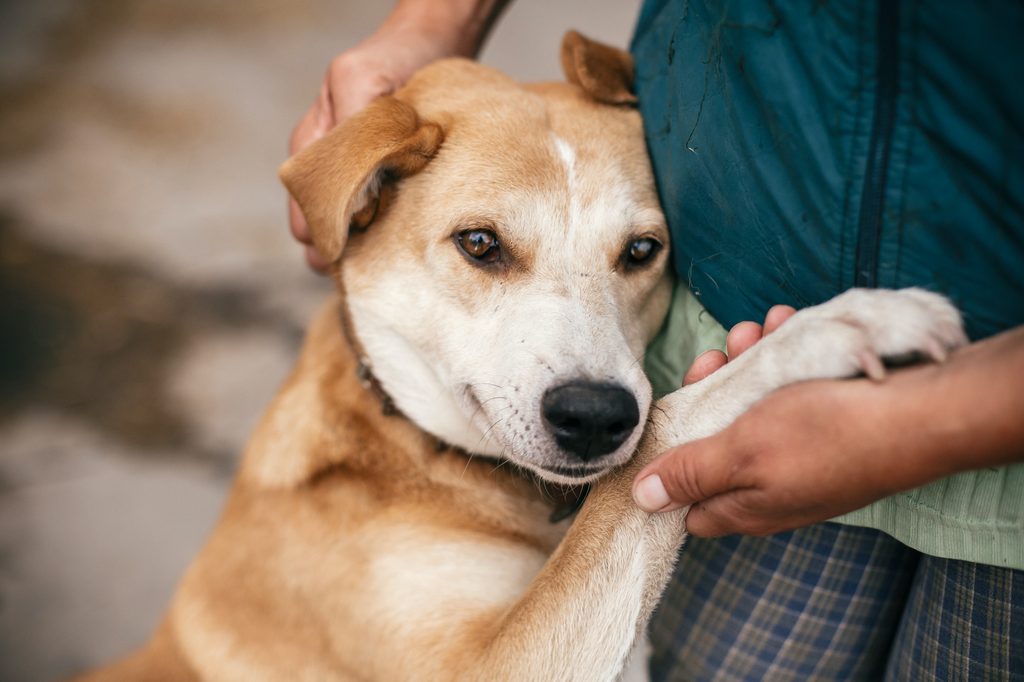
After a few days, your new dog will learn that they are safe with you and your family. You’ll begin to see more of that beautiful personality. Letting their guard down may take time, but you’ll begin to notice it happening when they initiate interactions and begin showing their true colors.
When they’re ready to begin interacting and exploring more, you can start focusing on creating positive introductions and establishing routines that work for both of you. Begin taking potty breaks and short walks at the same time every day, and work on finding your ideal mealtime routine.
Introduce your new dog to friends and family members one at a time to keep things low key, and don’t be afraid to have new people offer the dog treats as a way to win them over. Positive reinforcement will be your best friend for teaching a dog the expectations and rules of your home, so don’t give in to frustration if it doesn’t happen quickly. Instead, take a break and give yourself a minute. Anger and loud voices will only make your dog more fearful.
You’ll always want to monitor your dog’s body language to ensure they aren’t getting overwhelmed or nervous. If you notice any anxious behavior, just head back to their familiar, safe space and let them decompress for a while. This is also the time when dogs may start testing boundaries and revealing behavior issues, so it’s also a good time to talk to a dog trainer or behaviorist to create the right plan for your pup. Remember, this part of the adjustment period takes weeks, so don’t expect any massive changes overnight.
The first 3 months with a rescue dog
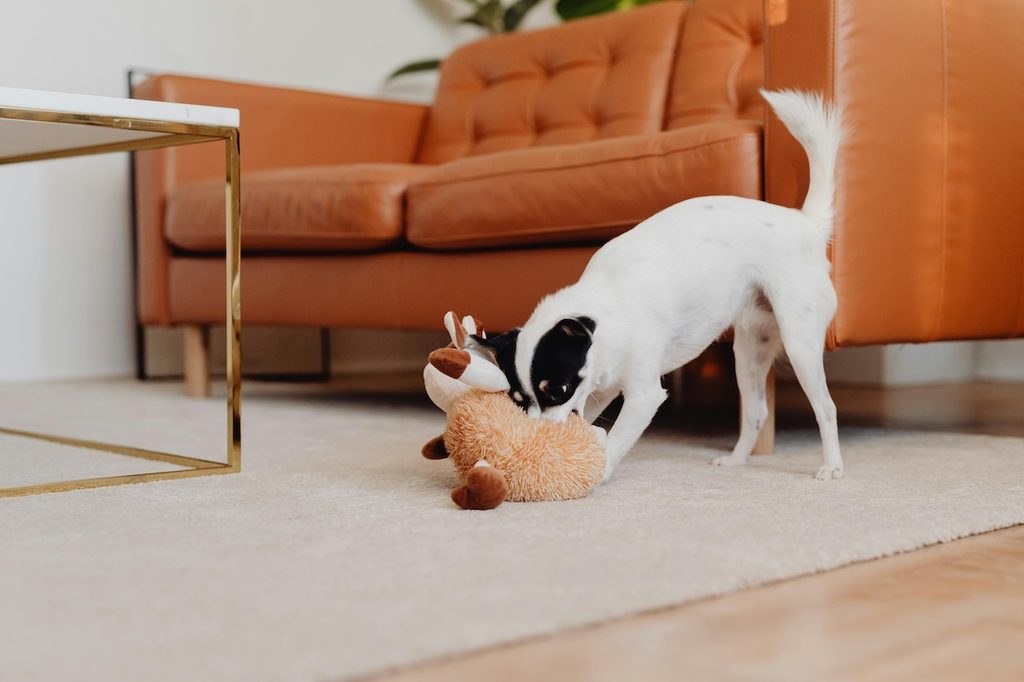
Your new dog should be mostly comfortable with their new life at home from the 3-week to 3-month period. Now that you have a firm foundation, it’s time to build on it. Your pup will settle into routines and become familiar with friends and family members, and they may even find spots around the house to claim as their own.
As your dog builds confidence, continue with positive reinforcement and begin working with a trainer or obedience class, if applicable. As a dog’s true colors shine through, so do their behavior concerns, so remain patient and consistent in your training to help your dog learn acceptable behavior.
Many consider the 3-month mark to be when a dog is “fully adjusted” to their new home, but this is just an average timeline. Many dogs feel safe in their new homes much quicker, while others take months just to leave their safe space. No one brings home a rescue dog and has a seamless transition, so don’t be afraid to do more research or ask for help as issues arise. After all, your first 3 months with a rescue dog may be rocky in many ways, but this is normal and not an indicator of your abilities as a pet parent. You’ve got this!