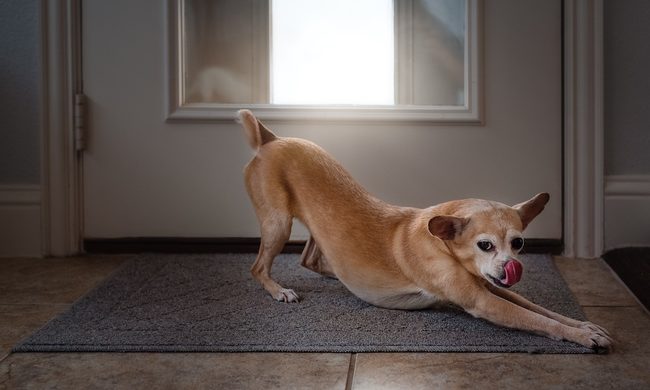
Watching your fur baby growing old might be one of the hardest parts of pet ownership. As much as you want your dog to stay the same, inevitable physical and behavioral changes come with aging, though aging-dog behavior may not take the form you’d expect. These transitions are often so gradual, pet parents don’t notice for a while, so you don’t need to worry that you missed a really big change.
By paying attention to your pet’s actions and consulting your veterinarian, you’ll be able to provide the best care for your senior pup. Even if you’re not there quite yet, here are a few signs of aging in dogs to look out for.
Older dogs tend to sleep more
The parents of older dogs may be alarmed by their change in sleep habit at first. However, this gradual transition is normal and should be no cause for concern, unless, of course, there are other sudden behavioral changes present. Senior dogs can sleep for up to 18 hours a day, although not all this rest is what you would consider deep sleep. Simply resting the body is often enough to renew some energy.
You can help your older pup sleep comfortably by buying them a memory foam bed or something that helps relieve joint pressure. Encouraging walks and playtime will also help your dog burn energy, which in turn promotes deeper sleep.
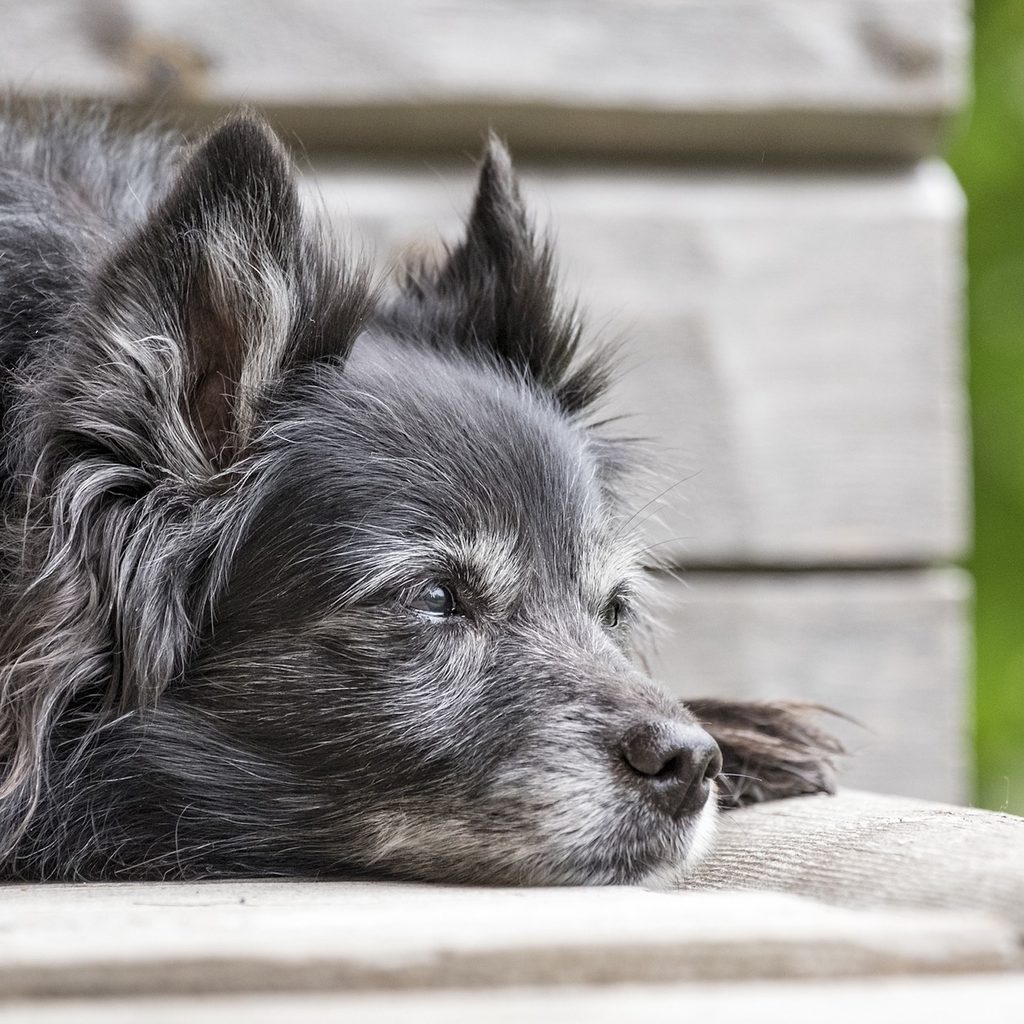
Cloudy eyes in senior dogs
One telltale visual sign of aging in dogs can be seen in their eyes. Eye cloudiness, also known as nuclear sclerosis, can happen incredibly slowly, and your vet may be the first to notice any visual pathology in a senior pet. This may look like a yellow or blue film over the eyes, which is often easier to see under light. Most of the time, this ocular impairment is not a cause for immediate concern or a sign of illness — it’s just age! Sometimes, though, cataracts can develop over the years, so regular vet checkups are extra important at this time in your dog’s life.
Lumps and bumps
Another physical sign of age in canines is the appearance of lumps and bumps under the skin. Most of these are benign, fatty tumors called lipomas that will not harm your dog unless they grow really big. A veterinarian consultation will help confirm that these bumps are harmless, though your vet might advise removing a lipoma or two if they’re in precarious spots — say, near the organs.
Next time you’re giving your older angel some love, pay extra attention to the feel of their skin and its underlying texture. Lipomas shouldn’t bother your pup, so don’t worry about causing discomfort if you do find one during your massage session.
Senior dogs and separation anxiety
As difficult as it can be to watch your fur baby age, your dog needs your comfort and guidance now more than ever. Mental decline is common in older pups, and it may begin with separation anxiety. Some pet parents report increased barking, whining, and other vocalizations, while others notice their pet acting more clingy than usual. Both keeping your dog in a regular routine and helping their space feel less empty (music, a plushie to snuggle with, etc.) can help your baby feel secure moving forward.
To ease your dog’s anxiety about your departure, try some exposure training to help your dog understand that when you leave, you’re coming back. On your first try, go through your normal leaving routine —grab your keys, your bag, and put on a jacket — then leave your home for one minute. Try again in a few hours, leaving for three minutes. Every few hours — or however long you’re comfortable with — leave for just a little bit longer. Soon, your pup will know she has nothing to fear.
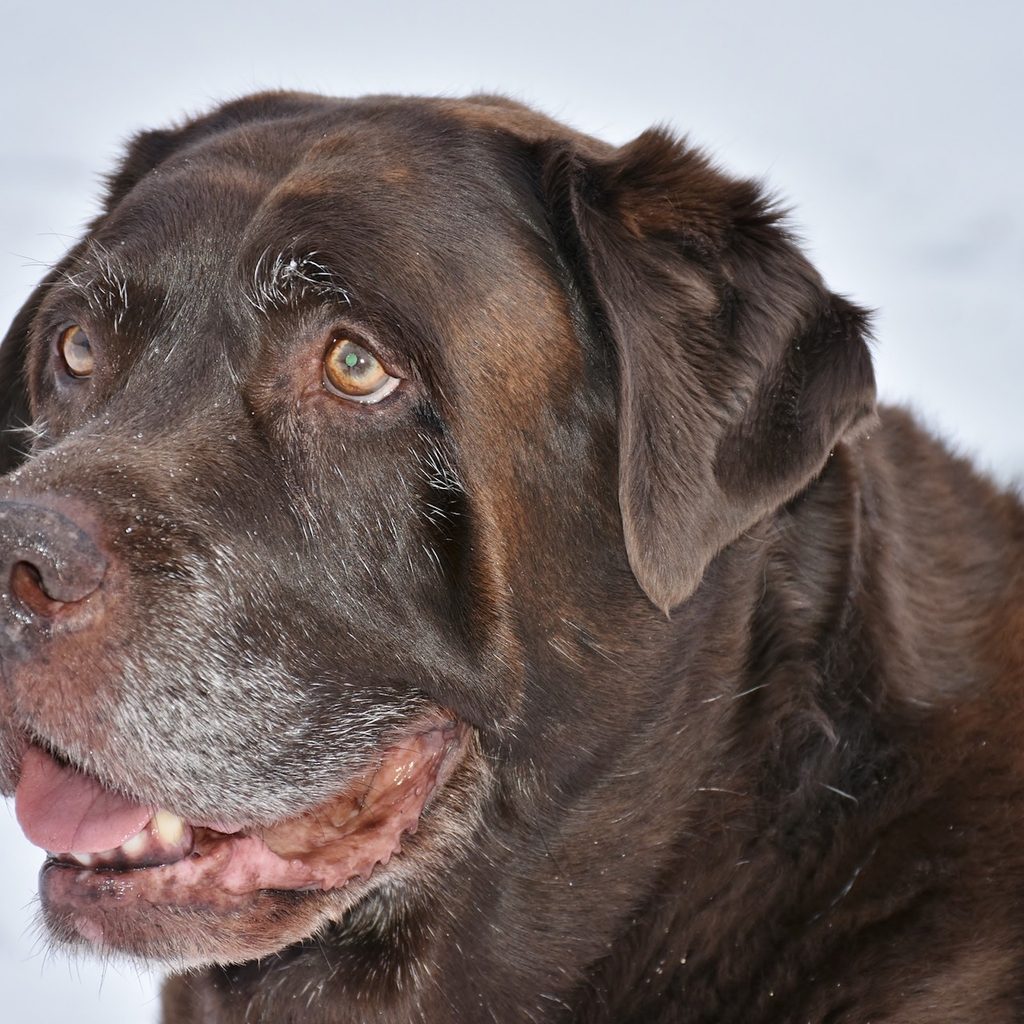
Weight changes in older dogs
Although noticeable weight changes are always concerning, they don’t have to be. You should consult your trusted vet about your dog’s weight, just to make sure there’s no underlying issue, but it’s not unusual for an older dog to gain or lose weight, regardless of any exercise or dietary changes. Senior pups can lose muscle mass as they age, and older bodies aren’t always the best at absorbing nutrients. These are just two reasons why a dog may lose weight, but weight gain in senior pups also has many causes, including slower metabolism, thyroid issues, and changing nutritional needs.
As uncertain as aging can be, one thing’s for sure: Your dog’s love for you will never change. By paying attention to your pup’s comforts and preferences, you can help keep your dog happy and healthy well into the golden years. Keep in mind that different breeds mature at different rates; older dogs can be considered seniors at around 6 years, where it can take 10 to 12 years for small breeds to show age decline. Wherever your fur baby is at, a little TLC will go a long way.