Dogs are beloved members of the family, and, like all family members, each pup has their own personality quirks. If your dog urinates and defecates in the house or chews up your shoes, furniture, or even parts of the door when you leave for work, though, something bigger may be going on. They may be suffering from separation anxiety!
Contrary to popular belief, separation anxiety goes beyond a bit of whimpering and clinging. It’s actually a serious mental health issue that can make leaving your home a nightmare for you and your pooch. You’ve come to the right place if you’ve been wondering how to break a dog’s separation anxiety. Here’s how you can do it.
What is separation anxiety?
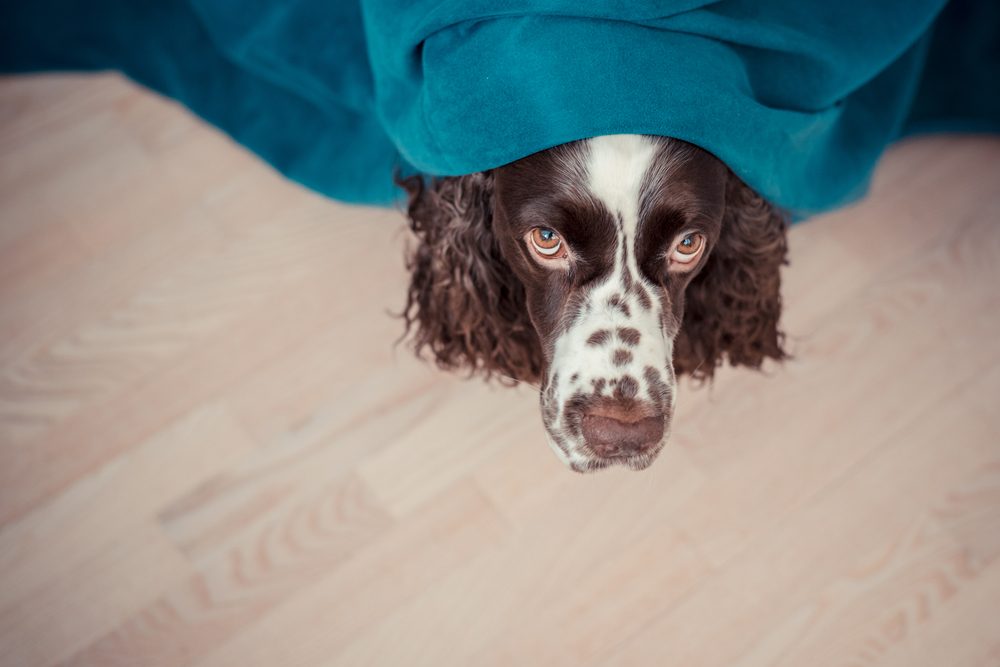
While we may consider separation anxiety to be a simple issue, it’s a complex problem that often causes pet parents to give up their dogs. There’s no single, specific cause for separation anxiety, but it may be triggered by a variety of life changes, such as:
- Death of a family member
- Moving from one home to another
- Being adopted from a shelter to a forever home
- Additions to the family, like new pets or a new baby
- Changes in daily routine
- Being left alone when your pup is used to company
Separation anxiety is a common mental health problem in dogs, with between 13% and 18% of dogs exhibiting symptoms. Because dogs are pack animals, they’re genetically hard-wired to remain with their pack, so they may become distressed when their human family members leave the house.
What are the symptoms of separation anxiety?
Every dog will express their feelings in their own unique ways, but canine behaviorists have noticed many similarities among dogs who suffer from anxiety. Signs of separation anxiety include:
- Indoor accidents, even if your pup is house broken
- Excessive panting
- Drooling and vomiting
- Compulsive behaviors
- Aggression
- Barking and crying
- Destructive behaviors
Signs of separation anxiety in puppies resemble separation anxiety in adult dogs, though your puppy may be more inclined to urinate and defecate in the home. Bear in mind that your little pooch isn’t trying to be naughty. They’re scared, and their small bladder size makes it difficult for them to control the urge to go inside the house.
Do dogs only experience separation anxiety when away from their owners?

While the most common form of separation anxiety occurs when a dog is away from an owner they’ve bonded closely to, a pup could develop separation anxiety no matter who they’re around. In fact, some dogs — especially puppies — develop a form of separation anxiety called littermate syndrome when they become too closely bonded with a sibling. These dogs may refuse to interact with anyone else, may act out when away from their sibling, and often rely on their sibling for a sense of safety.
Raising two close littermates can be a wonderful experience, and some canine siblings remain lifelong friends whether they’re adopted together or separately. That being said, it’s important that young puppies are exposed to a variety of situations and lots of new friends. This way, they’ll become a curious and confident young dog!
How to break a dog’s separation anxiety
Training your dog out of anxious behavior can be complicated, but there are ways to make it easier. The most important step is creating a strong bond between you and your pup. When your dog trusts you and knows they can rely on you, they’re less likely to suffer from anxiety. Here are a few ways you can make dealing with separation anxiety easier for you and your dog.
1. Talk to your vet
If your dog’s separation anxiety is severe, you should speak with your vet about the possibility of medication and behavioral therapy. Nothing’s worse than knowing your dog is distressed and feeling powerless to fix it, but your vet can advise you on the best way to help your pooch. Additionally, this can help you rule out medical problems that may be playing a role.
2. Don’t make a big deal out of leaving the house
As much as you may want to give your pup a pep talk before you head out the door, this may actually psych up your dog–and not in a good way. Instead, treat leaving the house like any other moment: be calm and do what you would normally do! Not only will this help your dog establish a sense of routine over time, but it will also set an example that being apart is no big deal.
3. Take your dog for a walk before you leave the house
Exercise doesn’t only benefit your dog’s physical health. Physically active dogs also are less likely to suffer from behavioral problems than sedentary pups. Taking your dog for a walk before you leave home helps them burn off excess energy, so they’ll be less inclined to take out their anxiety on your shoes and furniture when you leave home. You can also try walking your dog with a weighted vest or a compressive ThunderShirt, which has a calming effect on many dogs and can help tire them out more.
4. Give them a treat before you leave the house
Distracting your pup on the way out the door keeps them from focusing on their anxiety. Give them a puzzle toy filled with peanut butter to keep them occupied. Because dogs are intensely motivated by food, your pup may even look forward to being left alone since it means they’ll get a tasty treat.
Separation anxiety is more than naughty behavior and a constant need for attention. Dogs suffering from separation anxiety are confused and frightened because they’re separated from their pack leader: you. When in doubt, take your dog to see the vet. Your vet will make recommendations specifically tailored to your pup’s behaviors, and they may even prescribe medication that can help take the edge off your dog’s anxiety.