Certain dog breeds, like Siberian huskies, Jack Russell terriers, and border collies, are known for their energy levels and need for rigorous exercise. Other breeds, such as bulldogs, basset hounds, and Great Danes, are famously lazy. However, just like us, every dog has his own distinctive personality. Some dogs are naturally high-strung, while others tend to be much more laid-back. So, how do you know if your beloved pup is actually sick and not just being lazy? We’ll share some of the most common myths about dog health and — most importantly — teach you how to tell if your dog is sick.
Common dog health myths you shouldn’t believe
There are a lot of erroneous beliefs centered around dogs. One common belief is that dogs age seven years for every human year of life, which research has proven isn’t true. Here are a few others you’ve probably heard – and might even believe.
Does a warm nose mean my dog is sick?
Conventional wisdom indicates that a warm nose means your pooch has a fever. According to Shelby Neely, DVM, that’s simply not the case. Neely suspects this myth gained traction when distemper was more prevalent. Neely says, “Dogs that are sick with distemper may have a thickening of the nose, which may alter its temperature and moisture… Nothing replaces an actual thermometer for assessing a dog’s temperature.” Your dog’s nose might be warm for a variety of harmless reasons, such as temperature fluctuations to a genetic tendency to overheat.
Does eating grass mean my dog is sick?
Another common misconception is that dogs only eat grass when they’re sick. While some dogs eat grass to induce vomiting when they have an upset stomach, you don’t immediately need to worry about Fido if he snacks on your lawn. Some dogs eat grass when they’re bored, while others actually enjoy the flavor. Make sure you use pet-safe gardening products to prevent your pooch from eating something toxic, and keep an eye out for additional symptoms if he makes a habit of eating grass.

How can you tell if your dog is sick?
Unfortunately, dogs can’t speak our language and tell us what’s wrong, but they have other ways of letting us know they don’t feel well. Here’s what you should look for.
Has your dog’s energy level changed?
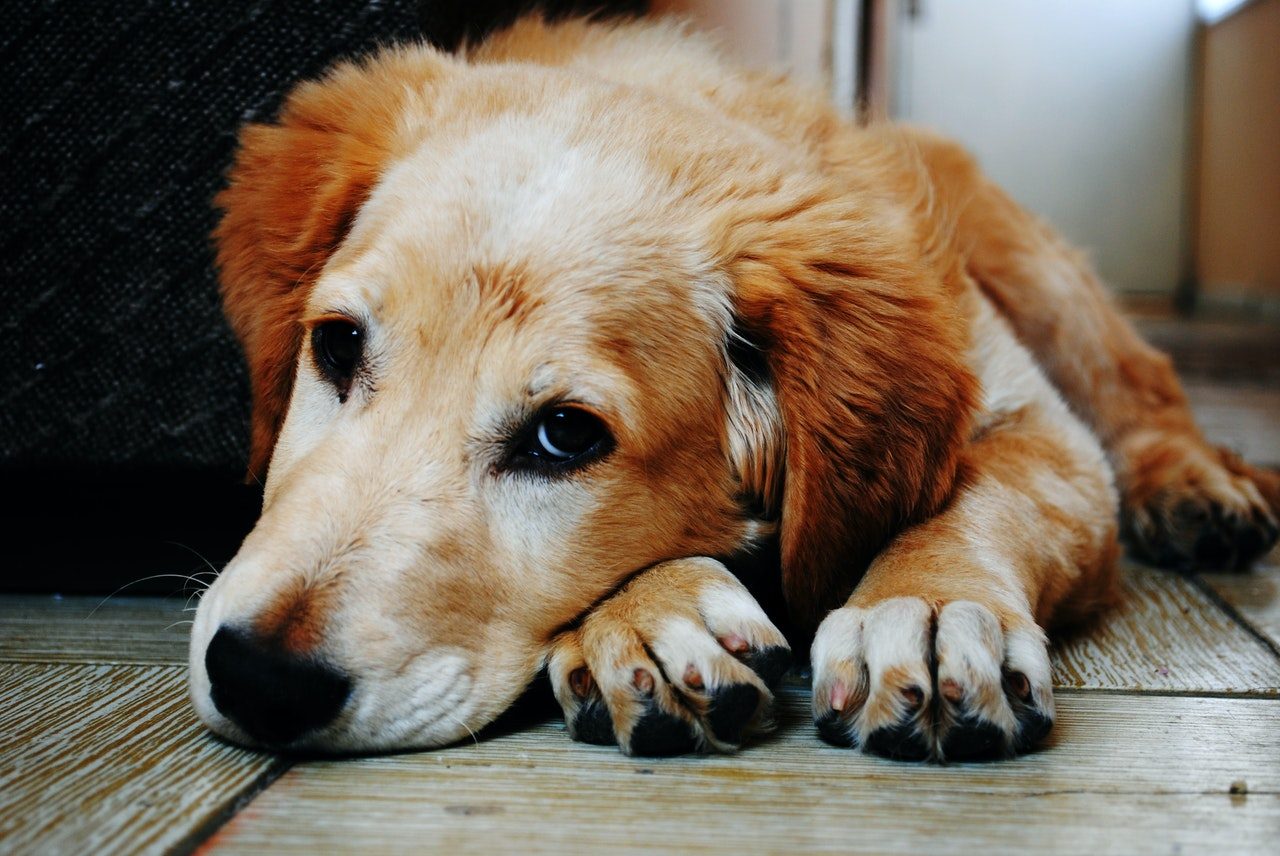
If your pup is normally rambunctious, you have every right to be concerned when he suddenly becomes lazy. Before you panic, ask yourself if there are other potential causes. Certain dog breeds, specifically brachycephalic (flat-faced) dogs have difficulty breathing when it’s hot out. In other words, it’s relatively normal if your bulldog becomes more lethargic during the summer months.
Large dog breeds, long-haired breeds, and double-coated breeds may also become lazier during the summer months. Similarly, breeds with short coats are less tolerant of the cold, so they might not be as active during winter. But if your pup’s sudden lethargy is accompanied by other symptoms, such as gastrointestinal problems, loss of appetite, behavioral changes, or coughing, it’s time to see the vet.
Is your dog drinking more than usual?
A healthy dog should consume roughly one ounce of water per pound of weight each day, though active dogs tend to consume even more. But if you notice your pup draining his water bowl faster than usual, it could be a sign that he’s sick. Polydipsia, the technical term for drinking a lot of water, is often a response to increased urination. If your dog has been taking more potty breaks than usual — or urinating in the house — you should take him to see the vet right away. Polydipsia is usually caused by hormonal problems, such as Cushing’s disease or diabetes mellitus, but it can also be a symptom of kidney failure.
What does your dog’s appetite look like?
Some dogs are dainty eaters, while others are unrepentant chowhounds. If your pup suddenly loses interest in her food, she could be feeling ill. Just like us, dogs have days when they simply aren’t that hungry, but if the lack of interest in food lasts longer than 48 hours, you should speak to your vet right away. Infections, dental issues, gastrointestinal disorders, and anxiety can all make your pup lose her appetite.
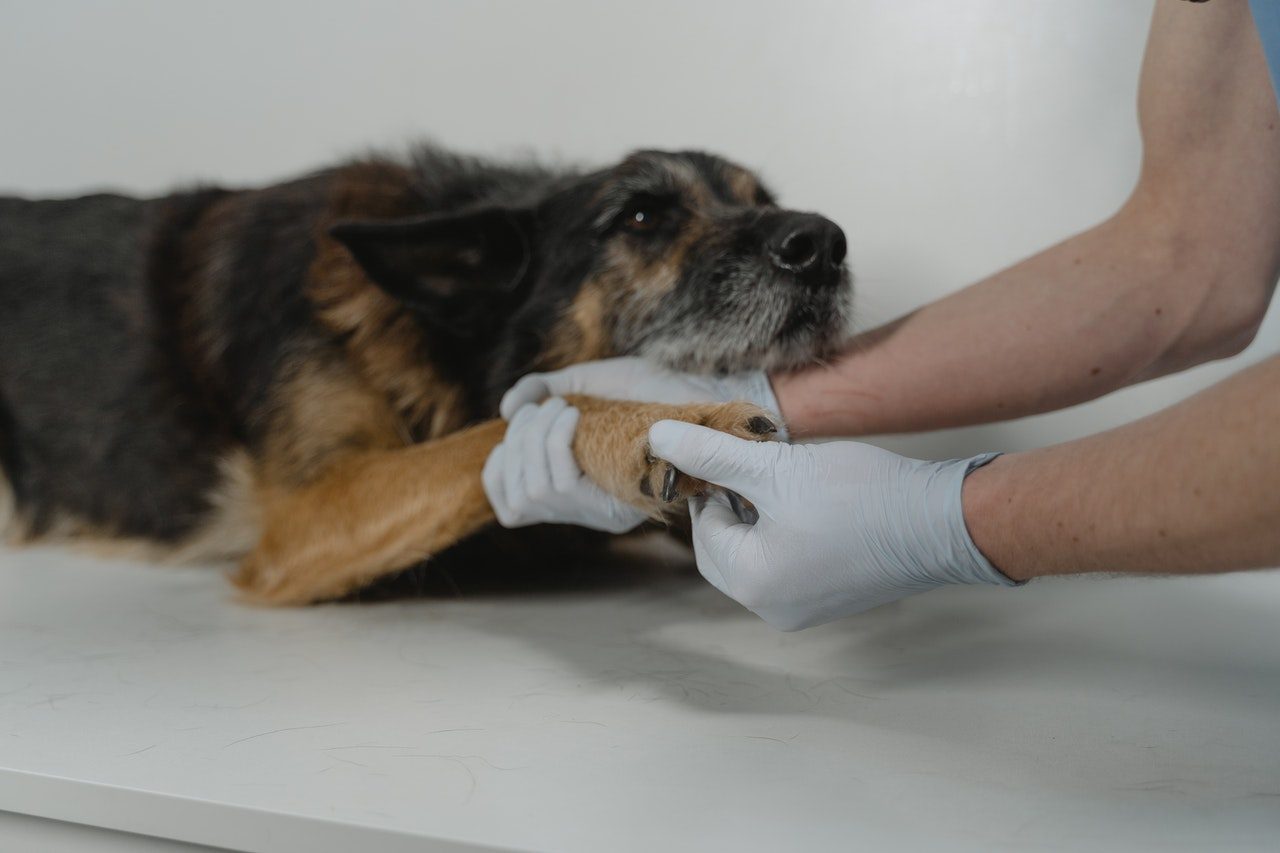
You know your dog better than anyone, so you’ll be able to tell when Fido just isn’t behaving normally. Whether the symptoms are dramatic, like nausea and diarrhea, or as subtle as a slight decrease in activity, your gut will tell you when it’s time to take your pup to the vet. When it comes to your dog’s health, it’s always better to be safe than sorry.