
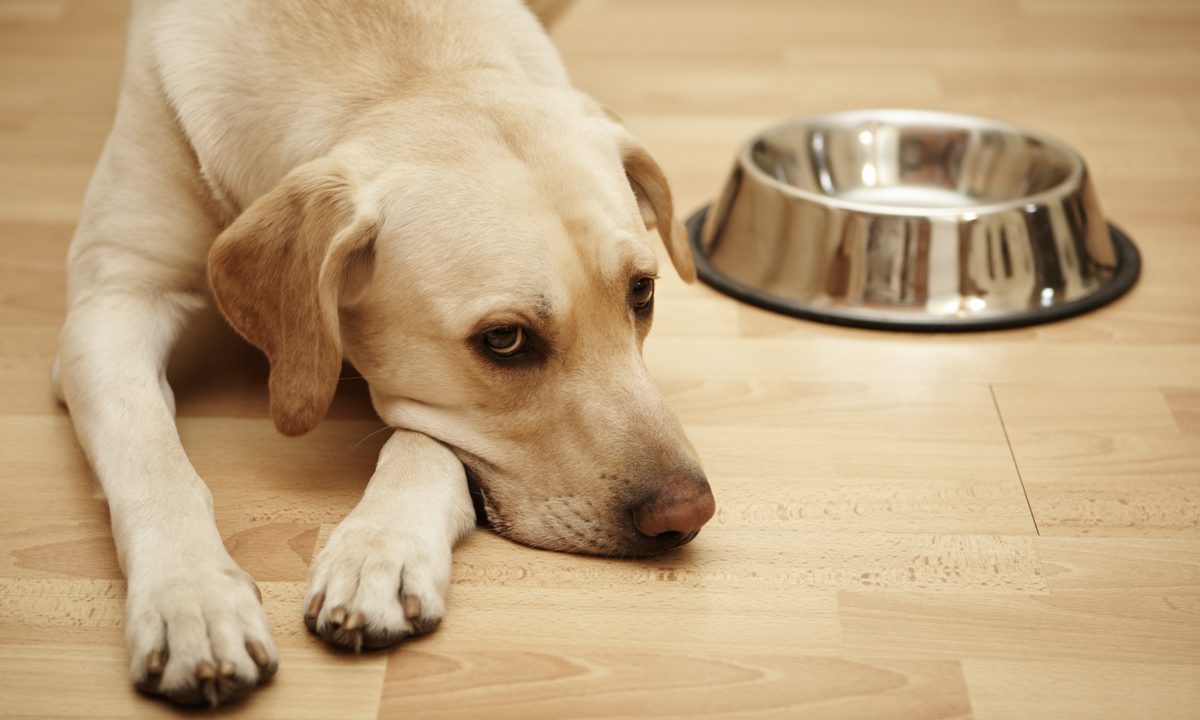
Tummy trouble is no fun, no matter what species you are. We’ve all felt nausea, stomach pain, and the inconvenience of digestive issues at least once in our lives, so it’s especially difficult to see our four-legged friends going through the same thing. Thankfully, there are many ways to combat the symptoms of digestive issues in dogs, regardless of what’s causing them.
First, you’ll need to know the signs of stomach upset in canines, from the common to the most unusual. Then, you can start identifying and treating whatever’s behind your dog’s discomfort. Know that your veterinarian is on your side whenever you need them; they can recommend the best foods, treatments, and preventions for your pup. Until then, here’s what you’ll need to know.
How to know if your dog has digestive problems

Let’s be honest — some signs of dog digestive issues are obvious. It’s easy to see when their stools look runny, hard, or perhaps a different color than usual, but some symptoms are a bit trickier to spot. Even odd behavior can indicate a serious problem, notes Vetericyn, so keeping an eye on your pup is a good idea if you suspect they may have ingested something that’s not sitting right.
Bond Vet lists the following as common symptoms of digestive issues in dogs:
- Diarrhea
- Vomiting
- Lack of appetite
- Weight loss
- Dehydration
- Constipation
- Increased gas
- Distention of the abdomen
- Restlessness
- Signs of abdominal pain
- Blood or mucous in the stool
- Straining when defecating
Remember that every case of stomach upset looks different, so your pup may show any combination of symptoms on this list — or none at all! No one knows your dog better than you do, so if something seems off, don’t ignore it.
What foods cause digestive problems in dogs?

There are many causes of digestive upset in dogs, including poison, illness, parasites, and ingesting foreign objects. By far, the most common reason for canine stomach troubles, though, is eating something that doesn’t agree with their system.
In many cases, this is human food. Hill’s Pet explains that even if what they eat isn’t “dangerous,” the oils and fat in people’s food can be enough to cause some problems. Still, there are human foods that are especially toxic to dogs. These include:
- Chocolate
- Onions
- Garlic
- Macadamia nuts
- Sugar substitute Xylitol, also marketed as birch sugar
- Grapes and raisins
- Caffeine
- Alcohol
- Raw dough
- Bones from chicken, meat, fish, etc.
- Avocados
Dairy products can also cause a reaction in some dogs, though not all canines are lactose intolerant. Many other human foods also have the potential to cause problems, especially if your dog has unknown allergies, so sticking to kibble and dog food is really the safest option.
How do I clear my dog’s digestive problems?

If your dog is experiencing mild or moderate vomiting, you can try withholding food for a while. This gives your pup’s system a chance to reset — just make sure not to withhold food for more than 24 hours. You’ll likely need to start a bland diet (think boiled chicken and white rice, for example) once fasting is over.
Encouraging them to stay hydrated is also a must, though too much water at once can cause even more stomach upset. You can solve this by offering small amounts of water at a time or letting your dog lick ice cubes instead of drinking water. Southwind Animal Hospital recommends preparing bone broth for your pet if they’re not motivated to drink water alone.
Another magical home remedy to try is something you can find at any grocery store: canned pumpkin. Katherine Smith, DVM, explains, “It has a low glycemic index, so it slowly absorbs, which helps with upset stomach and digestion.” She also reminds pet parents to double-check the label before feeding their pup. Sugar, spices, and additives can do more harm than good, so your dog should be eating pure pumpkin puree.
When to see the vet for dog digestive issues

Tummy troubles can be distressing even when they’re not severe. Some of the symptoms of digestive difficulty can be offensive to the senses, so it’s not always easy to tell when problems have progressed. However, there are a few signs that can indicate that it’s time to call your dog’s veterinarian.
Bond Vet suggests that dog owners practice a “better safe than sorry” policy when it comes to digestive issues. This is because it can be hard to tell the difference between a moderate and a severe problem and because some digestive issues can become severe — even life-threatening — if untreated.
Be sure to call the veterinarian right away if any of the following apply to your dog’s situation:
- Your dog is very young or very old or has an underlying illness in addition to the digestive problem.
- Your dog shows signs of abdominal pain, such as yelping or a crouched posture.
- Your dog’s vomit or diarrhea is bloody or severe.
- Abdominal symptoms happen alongside restlessness or fever.
- Your dog shows signs of dehydration.
- You notice symptoms of bloat, especially in larger dogs.
Bloat is a life-threatening condition that occurs when a dog’s stomach twists, trapping air inside. It can take a dog’s life within an hour in severe cases, so it should always be treated as an emergency. Signs of bloat include restlessness, retching, dry heaving, abdominal pain, panting, and a distended stomach.
How to prevent dog digestive issues

Preventing digestive issues in canines begins with keeping them away from foods that may upset their stomach. Unfortunately, this means no more table scraps. If you can’t help yourself, we recommend having a small portion of their food to feed them from the table.
Probiotics and enzymes are one way to ensure your dog’s gut health stays in check. There are many over-the-counter versions you can invest in, or you can ask your veterinarian for a recommendation. There are probiotic powders, chews, and even drops you can give your pet, too, so you won’t have to struggle with pills.
Abrupt changes in diet can cause stomach upset as well, so make sure any new foods are introduced gradually. You can start by mixing in a bit of new food with their old kibble on day one and increasing the amount of new food (while decreasing the amount of old food) slowly over the course of a week or two.
No matter what your dog likes to eat, they absolutely can have a nutritionally balanced meal without any ingredients that may upset their stomach. Try not to be discouraged if you don’t find the right foods immediately — it can take time! Dog digestive issues are no joke, though, so do keep an eye on your fur baby if anything is out of sorts.