
It’s easy to compare your pet’s life with that of other dogs you meet in person and online, but the reality is that no two pups are the same. Especially when it comes to bathing and grooming — how often should you wash your dog? As it turns out, there isn’t one simple answer, so read on to discover what it takes to figure out the perfect bathing schedule for your pup.
Many factors affect a dog’s need for regular washes, including their coat health, breed type, and activity level. If your canine companion comes home covered in mud, of course, an extra bath won’t do him any harm. Try not to make a habit of it, though, especially if your dog is prone to dry skin. Here’s how to find the perfect bathing schedule for your pup.
Do dogs really need baths?
Just as with people and other animals, regular cleaning helps dogs stay in tip-top shape, both inside and out. Every dog will need a bath every now and then to keep their skin clean, though the frequency of bathing and the products you use will depend largely on your pup’s breed and activity level.
Their coat, in particular, is a great indicator of how and how frequently to bathe your dog. According to the Central California SPCA (CCSPCA), breeds with water-resistant coats — think golden retrievers, setters, poodles, and the like — can be regularly cleaned with a thorough brushing instead of water. Still, an actual bath is necessary every now and again to keep your pup smelling and feeling fresh.
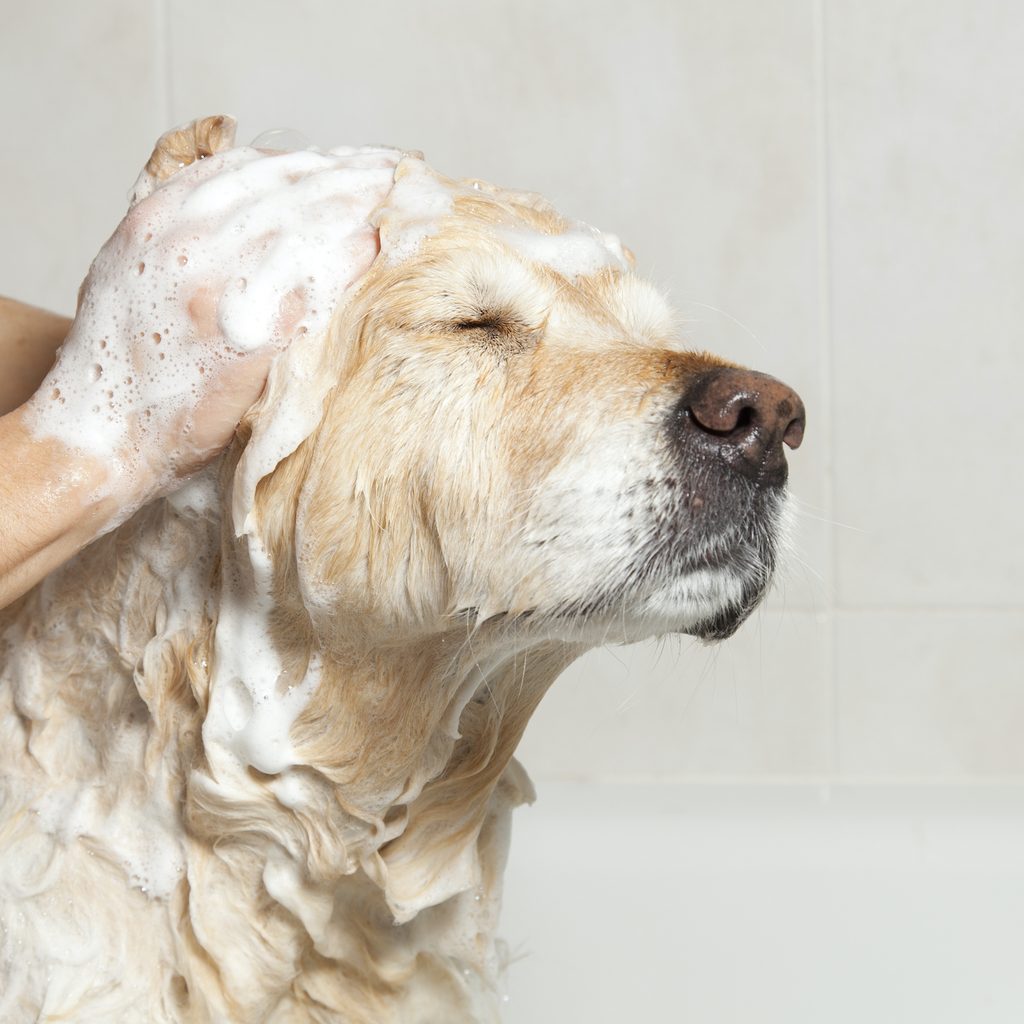
Do dogs feel better after a bath?
Although many dogs look relieved to be done with their bath, it’s safe to say they feel better than they would if they didn’t bathe. Letting dirt and oil sit on the fur makes it easy for mats and knots to form, especially on longer coats. Not only can these tangles be unsightly, but they’re often painful, too.
Bathing also decreases your pup’s chances of developing skin irritations from anything in his fur. Fleas, ticks, and all kinds of plant material can sneak their way into even the shortest coats, though brushing also can help keep fur clean.
Can I wash my dog once a week?
Unless your dog is a breed with an oily coat, like a basset hound or Newfoundland, weekly bathing is most likely far too frequent. This can result in dry skin and other coat problems, according to CCSPCA, so it’s not a good idea even if you enjoy a fresh-smelling pup.
Instead, pay attention to the condition of your dog’s coat to determine when to bathe him. Excessive oily buildup or visible tangles should be treated as soon as possible, though some oil on the fur is a normal part of coat health.
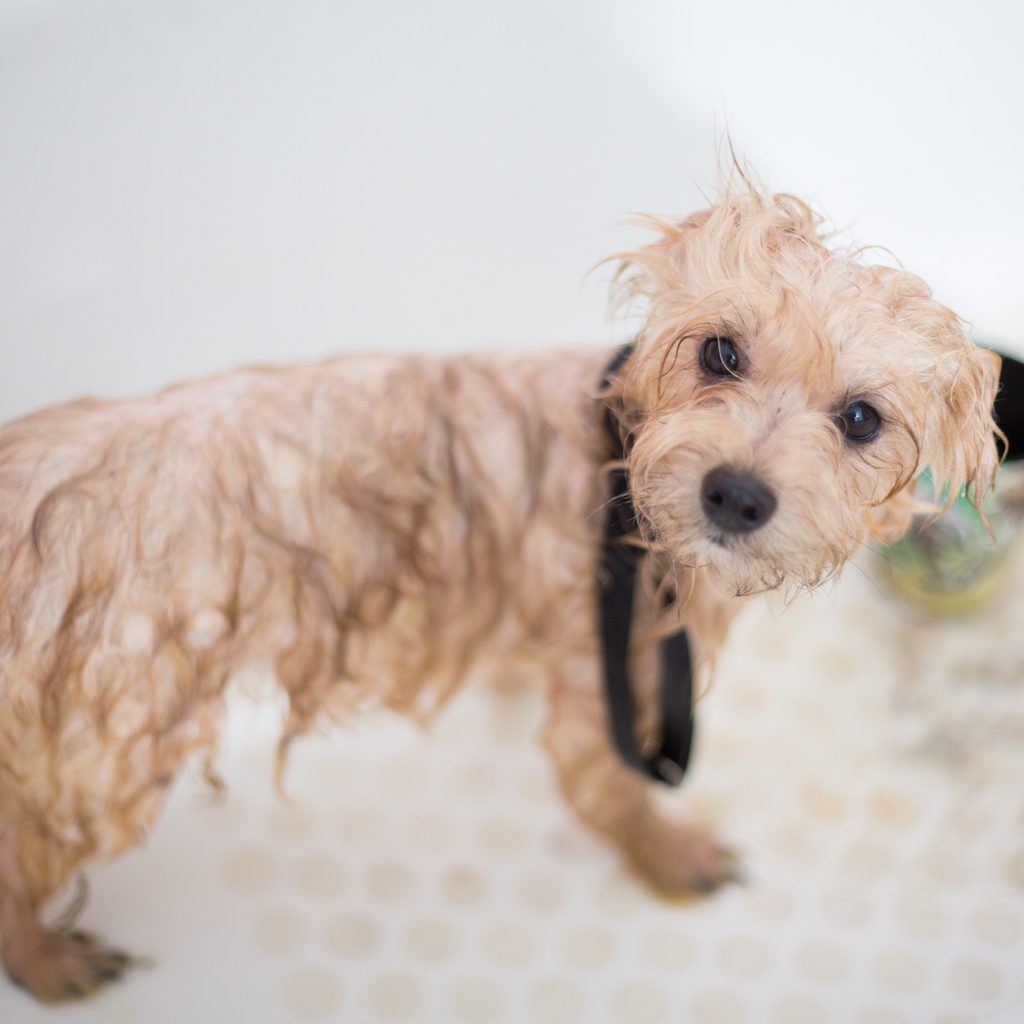
How often should you wash your dog?
For most dogs, bathing every four to 12 weeks is an appropriate amount, though you may need to schedule an extra bath should any adventures get too dirty. Generally speaking, the oilier the coat, the more frequently the dog should be bathed, but no worries if it takes you a few months to find a bathing schedule that works for you.
If your dog has hair rather than fur, he’ll probably need regular trips to the groomer to accommodate his growing locks. This is a great way to combine bathing and grooming into one trip since most salons will offer both services.
Can I wash my dog with just water?
If your dog isn’t too stinky, you absolutely can wash him with only water. Of course, water doesn’t have the fragrance or other cleansing properties that canine shampoos have, but it can be effective at removing dirt and debris from most fur.
Warm water is better at cleaning fur and removing any dried-on dirt and oils than cold water, so make sure to check the temperature before you start. Besides, your dog will probably prefer relaxing, warm water anyway.
It might take a little trial and error to find a bathing routine that works for you and your four-legged friend, but his coat will surely thank you once you do! By doing this, you’ll prevent any skin irritation while keeping your pup squeaky clean — and yummy smelling!