Most dogs are excited to go for car rides. They anticipate an adventure, maybe a walk in the park or playing with friends in daycare. But for dogs who suffer from motion sickness, traveling in vehicles can be extremely stressful. They may whine, drool, yawn, vomit, or shake for the whole trip. If you live with a dog who gets carsick, you know how distressing it can be. The good news is that there are things you can do to make the ride more pleasant for you both.
What causes motion sickness in dogs?
Veterinary experts believe that puppies are the most likely to suffer from motion sickness because the structure of their inner ear used for balance hasn’t fully developed. Most dogs grow out of car sickness by their first birthday. Adult dogs who continue to get carsick often suffer from conditioned nausea, meaning they associate riding in the car with being sick because of their early life experience. For other dogs, motion sickness might be triggered by a previous traumatic experience associated with traveling in a vehicle. In an article published by the VCA Animal Hospitals group, veterinarian Tammy Hunter says this can happen if the only time a dog rides in the car is for trips to an animal hospital.
How to prevent car sickness in dogs
Make sure your dog is comfortable in the car
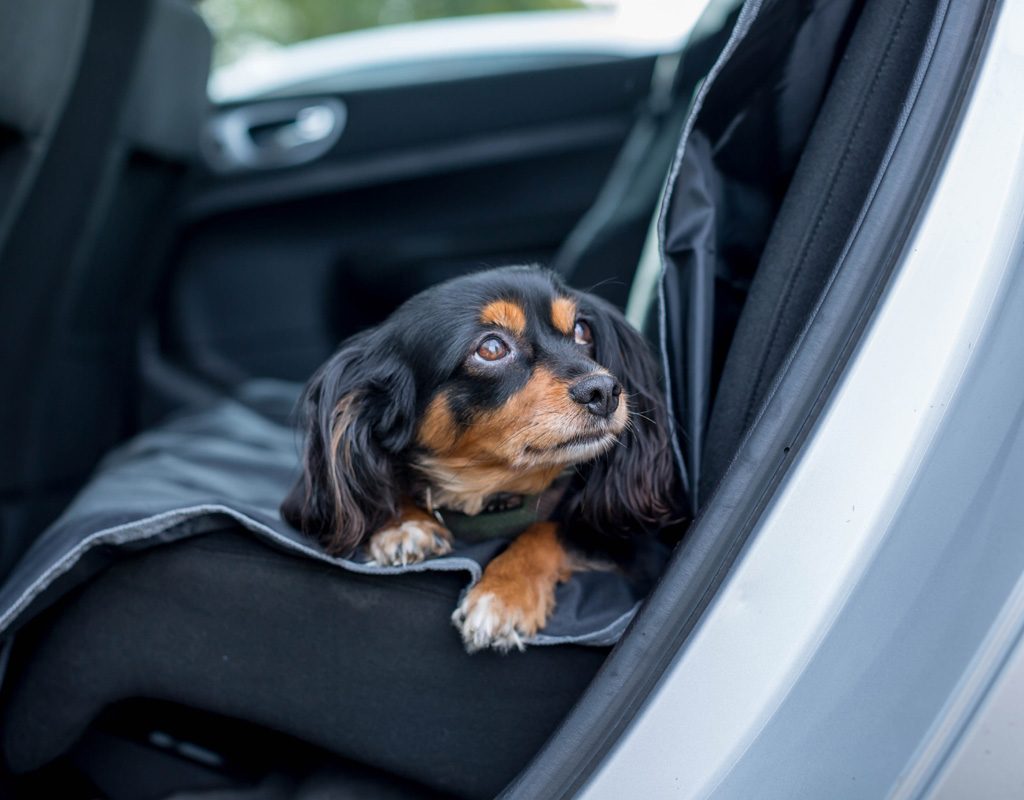
It’s important to adjust what your dog sees when in the car, say experts at the American Kennel Club (AKC). For example, watching the world fly by from side windows can contribute to nausea. Instead, restrain your dog in the middle of the backseat so he can see out the front window. Small dogs should be secured into raised booster seats, while larger dogs can be restrained with a harness or doggy seat belt. Playing soft classical music may help your dog relax during the trip.
Keep the temperature cool inside the car
Cracking the windows just a little will allow fresh air into the car, which can help with motion sickness. This also helps balance the air pressure inside the car with the air pressure outside, which may help reduce your dog’s nausea. During warm weather, it’s important to keep the car cool with air conditioning.
Restrict food before traveling in the car
Veterinary experts recommend withholding food for 12 hours before traveling in the car to help cut down on nausea. Be sure your dog has access to water.
Natural home remedies can help with motion sickness
There are some natural home remedies you can try to help with your dog’s motion sickness. Be sure to check with your veterinarian about the dose and frequency that would work best for your pet.
- Ginger: In an article on PetMD, veterinarian Jennifer Grota says there’s “anecdotal evidence that ginger helps treat nausea and vomiting in dogs.” She cautions that ginger should not be given to dogs with bleeding disorders or to dogs taking anticoagulants or nonsteroidal anti-inflammatory drugs. Some pet parents find that feeding one or two gingersnaps before leaving on a trip helps their dogs.
- Lavender: A safe aromatherapy for dogs, lavender can be sprayed in the car before a trip. Alternatively, Grota recommends saturating a cotton ball with lavender essential oil and placing it inside the vehicle a few minutes before leaving the house. Just be sure the cotton ball is out of your dog’s reach to avoid chewing or swallowing.
- Dill: According to an article in Dogs Naturally magazine, dill is an effective anti-nausea herb and can help relieve a dog’s upset stomach. The article recommends making dill seed tea by adding 1 teaspoon of dill seed to 8 ounces of boiling water. Let it cool and then give 2 to 8 ounces to your dog before heading out on a car trip.
Desensitize your dog to the car
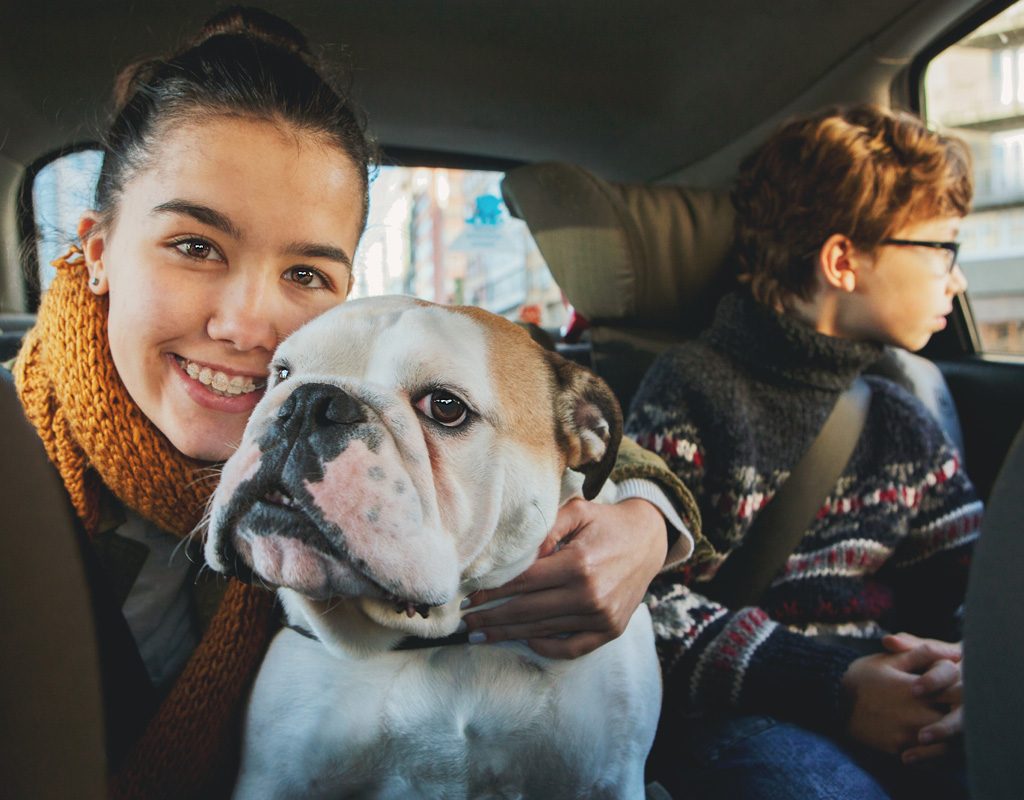
Desensitizing a dog who gets carsick due to stress takes time and patience. The AKC offers the following steps to help your dog overcome car-related anxiety:
- Spend a few minutes sitting in the car with your dog while in the driveway. Don’t turn on the engine, just sit there playing with a favorite toy and petting and praising your dog. Repeat this for a few days or until your dog seems interested in getting into the car.
- The next step is to start the engine while hanging out in the car with your dog. Don’t go anywhere and again repeat this for a few days until your dog seems comfortable.
- If your dog is relaxed, you can progress by taking a spin up and down the driveway or on the road in front of your house. Keep it short and then exit the car. Continue this for a few days until your dog seems comfortable.
- Now, you’re ready to slowly increase the distance by driving to someplace your dog enjoys like a local park or for a playdate. If he gets sick, take a step back and give him more time to build up his tolerance in the car.
If you’ve tried everything and your dog still suffers from motion sickness, a veterinarian may prescribe a calming supplement like Rescue Remedy or a motion-sickness medication such as Cerenia. With trial and error, your best friend will eventually be able to accompany you on fun adventures without feeling miserable.