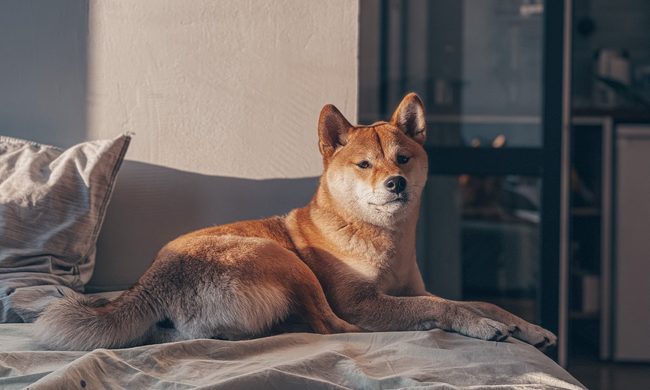
There’s no way to sugarcoat it: Your dog’s food bowl is probably gross.
Even though less than 5 percent of dog owners even know about the FDA’s guidelines for safe pet food handling, according to one study — following them is still important. Many pet parents are unknowingly making their bowls, dishes, and entire kitchens breeding grounds for harmful bacteria, like Salmonella and E. Coli. Both the people and the pets in your house could be affected — whether they catch it from a contaminated source or even from each other — so it really isn’t worth the risk.
Luckily, there are lots of things you can do to reduce the likelihood of running into these germs. Some of these techniques are rather obvious, while others, like washing a dog’s food bowl often enough, can be more easily overlooked.
Why dog food handling safety is important
Salmonella and E. Coli are just two of the germs that you can come in contact with after preparing food incorrectly, but here’s the even trickier part: These illnesses can be hard to catch. Some people and animals exhibit no symptoms at all, while others can get extremely sick (via CDC). If your dog does have symptoms, they may look like this:
- diarrhea, possibly containing blood or mucous
- lethargy
- fever
- vomiting
- excess salivation
E. coli is already found in the digestive tracts of both humans and dogs, but when it comes out of balance, an infection can occur. Symptoms in canines can vary depending on their age and level of immune health, notes Dr. Pippa Elliott, BVMS, MRCVS, but you might notice:
- lethargy
- depression
- low body temperature
- diarrhea
- vomiting
- infection of the bladder, mammary gland, womb, or kidney
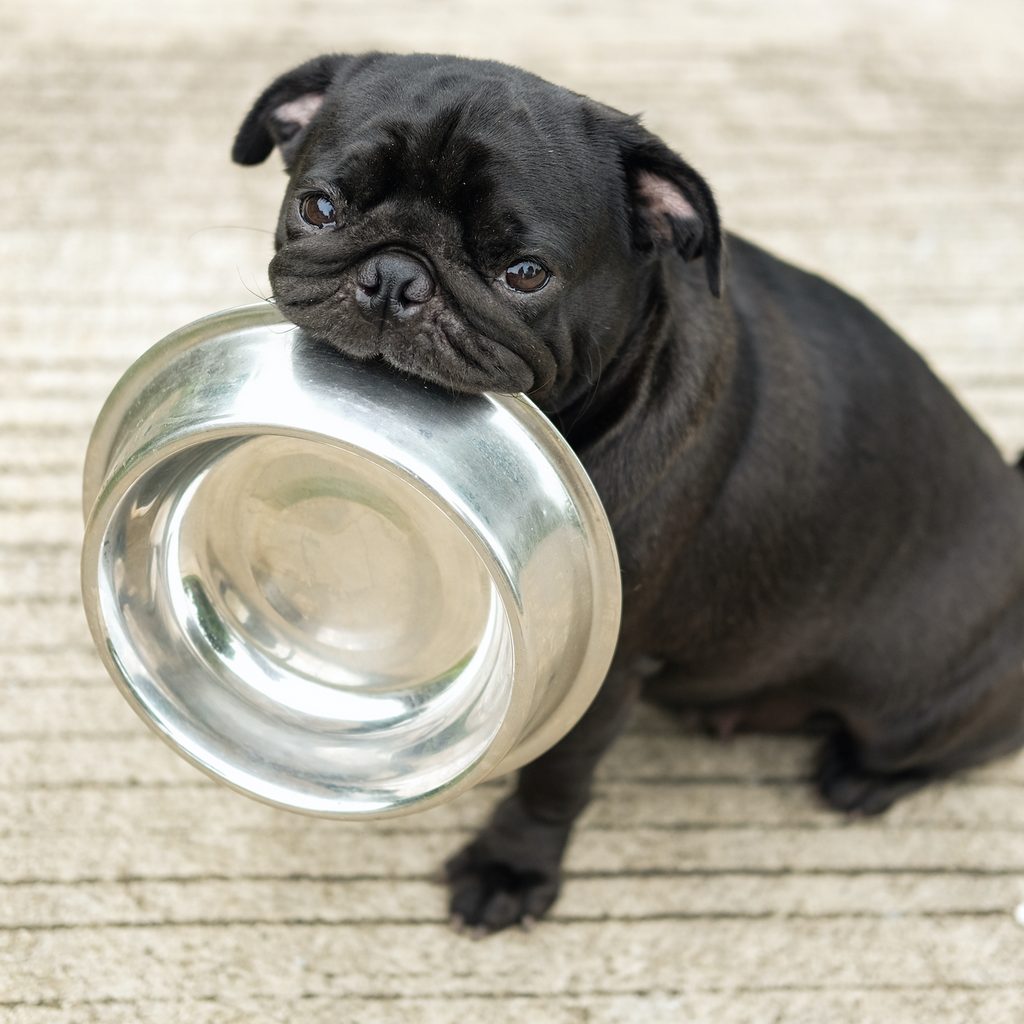
How often should I wash my dog’s bowl?
Unless you’re aware of the FDA’s guidelines for safe pet food handling — or if your dog tends to make a mess — there’s a good chance you’re not washing your buddy’s food bowl as often as you should.
Doing the dishes more often will keep everyone in your house, including your pets, safer from bacterial infections. “Since other studies have found that bacteria can be transferred in shared sinks or dishwashers,” notes Emily Luisana, DVM, the lead author of the study, “this is potentially a real concern in the average kitchen” (via Prevention).
So where do you begin?
You can start by washing your dog’s food dish with hot water and soap as often as the FDA recommends: after each and every use. This ensures that there’s no buildup of bacteria hiding beneath this morning’s kibble, so you and your buddy can continue your day’s work without worry.
The FDA also recommends not using your pet’s bowl as a scoop for their food, even if it does make things a little easier. Instead, you should dedicate a specific spoon or scoop for the task, though remember to wash it regularly, too!
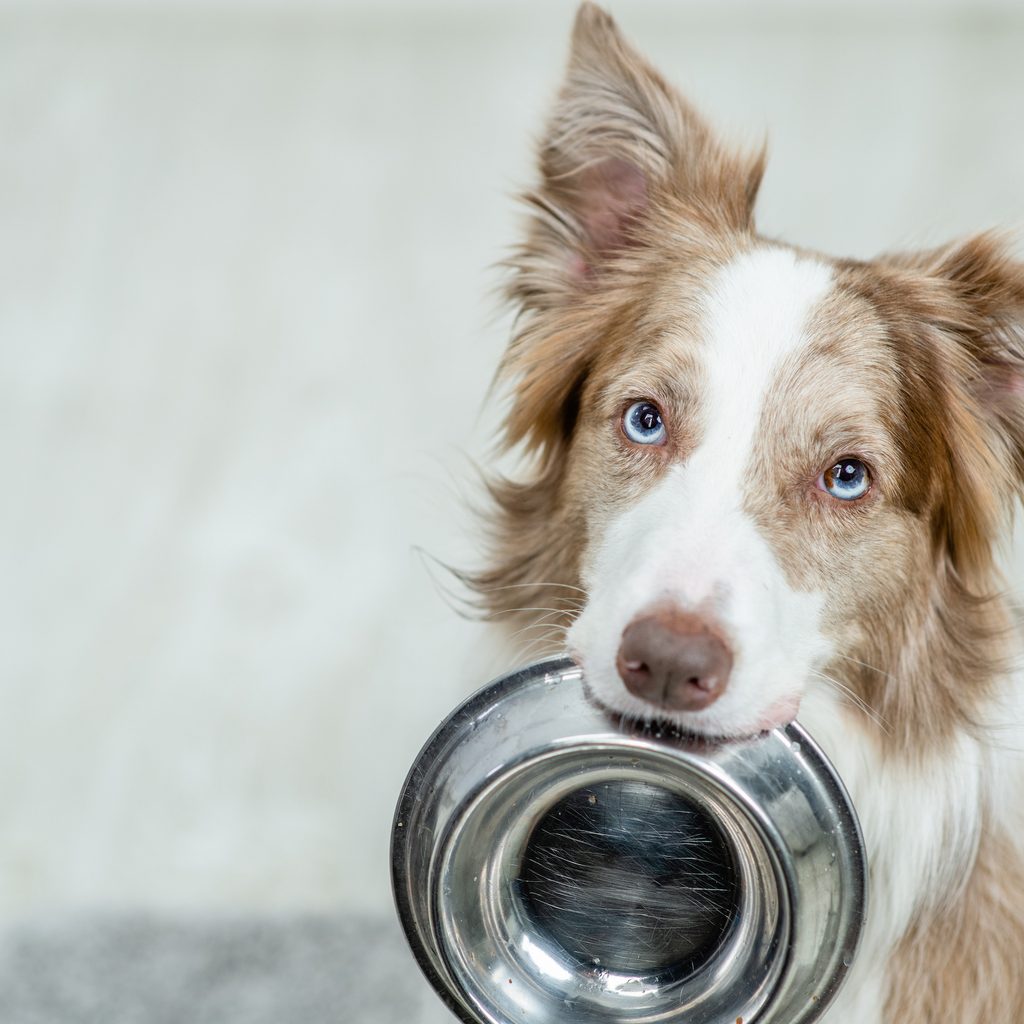
Dog food handling best practices
Aside from keeping your pup’s food dish as clean as possible, there are a few other FDA-approved ways to keep your home free from bacteria of all kinds.
Practice frequent hand-washing
As the guideline recommends, you should “begin and end” the process of preparing your dog’s food by washing your hands—even with treats! We should all be experts on the proper hand-washing techniques by now (that’s 20 seconds, at least, with warm water and soap) so there’s no reason this practice can’t be incorporated.
Proper dog food storage
Your buddy’s dry food should be stored in a cool, dark, and secure location to ensure the best flavors and nutritional value. The FDA suggests a temperature lower than 80 degrees Fahrenheit, as “excess heat or moisture can cause the nutrients to break down.”
Here’s another tip that’s not widely known (or followed): You should be storing kibble in its original bag, folding the top down, and securing it with a clip as you go through it. This can help dry food stay fresh for a long time while giving you zero containers to wash every time you switch bags! It also allows you to save the brand, manufacturer, “best by” date, UPC code, and lot number on hand in case of any recalls or issues (via FDA).
Use separate spaces
It’s also important not to store or prepare your dog’s food in the same areas where you keep your own food. Doing so would make it even easier for bacteria to spread between contaminated spaces and foods.
It’s recommended to store pet food at least 5 feet away from your own food to avoid cross-contamination, whether in the fridge, pantry, or garage. If you can, throw away old dog food separately, too. Simply bagging up old kibble before tossing it will ensure nothing icky gets a chance to spread.
In a follow-up survey by the same researchers who discovered how few pet parents knew about the FDA guidelines for safe handling of dog food, only 8 percent of owners who read the guidelines actually planned to follow them. So, please, pet parents — we encourage you to find at least one way you can make your dog’s dinnertime a little more sanitary.