Not everyone has a perfectly well-trained pup. Many dogs pull, jump, tug, and tackle their leashes if they get the chance. It can be difficult to know what kind of walking equipment will work best for your dog. A common debate is the choice between a collar or a harness. There are pros and cons to both depending on the type of dog you have. It is important to take into consideration your dog’s size, temperament, and level of training when deciding between these two items.
Both are great, but one will outshine the other when it comes to picking one out for your unique pup.
Analyzing your four-legged friend
Before you go buying a collar or harness for your dog, it’s important to figure out a few things about your pet. No matter what age, size, or breed your dog is, they are defined by their unique personality.
Some dogs are strong-willed, making them a bit more difficult to train and control. Other dogs are calm and laid back so you don’t have to worry as much about pulling. If you have a professionally trained or well-behaved dog, then you have less pulling to worry about, but you should try to figure out which will feel more comfortable for them — a collar or harness.
There are ample benefits to both. One is not necessarily better than the other, it is just a matter of finding out which one is better for your specific dog.
When to use a collar
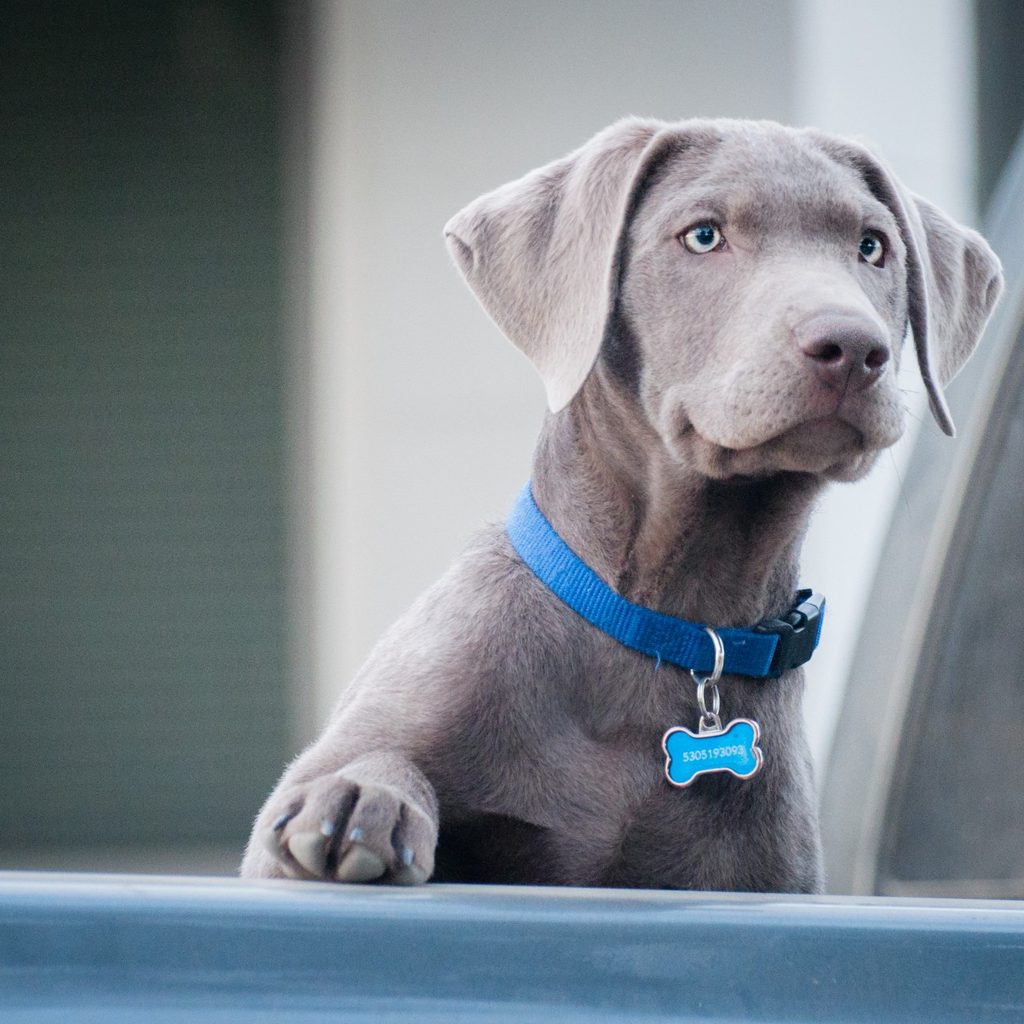
There are chain collars, nylon collars, and leather collars. They are blue, pink, purple, green, yellow, and whatever other color you can imagine. The material and color of the collar is something you can decide on after you figure out if a collar is better than a harness for your beloved dog. First, it is important to check out the pros and cons of collars:
Pros
• Lightweight
• Can hold name tags
• Great for dog training
• Discourages barking
• Keeps your dog from running off
Cons
• Puts a lot of pressure on your dog’s neck
• May hurt the neck or spine if your dog pulls a lot
• May be easier for your dog to slip out of
After reading through the pros and cons, it is easy to see why collars are still a great option for your dog. Collars are ideal for well-trained dogs because you don’t have to worry about their necks from excessive pulling. Additionally, collars are great for when you’re just starting to train your dog to walk properly. Collars allow you to pull your dog’s head to look at you so it helps keep them stay focused during training sessions.
Overall, collars are good for dogs that: are well-trained, have calm temperaments, or are in need of beginner training.

When to use a harness
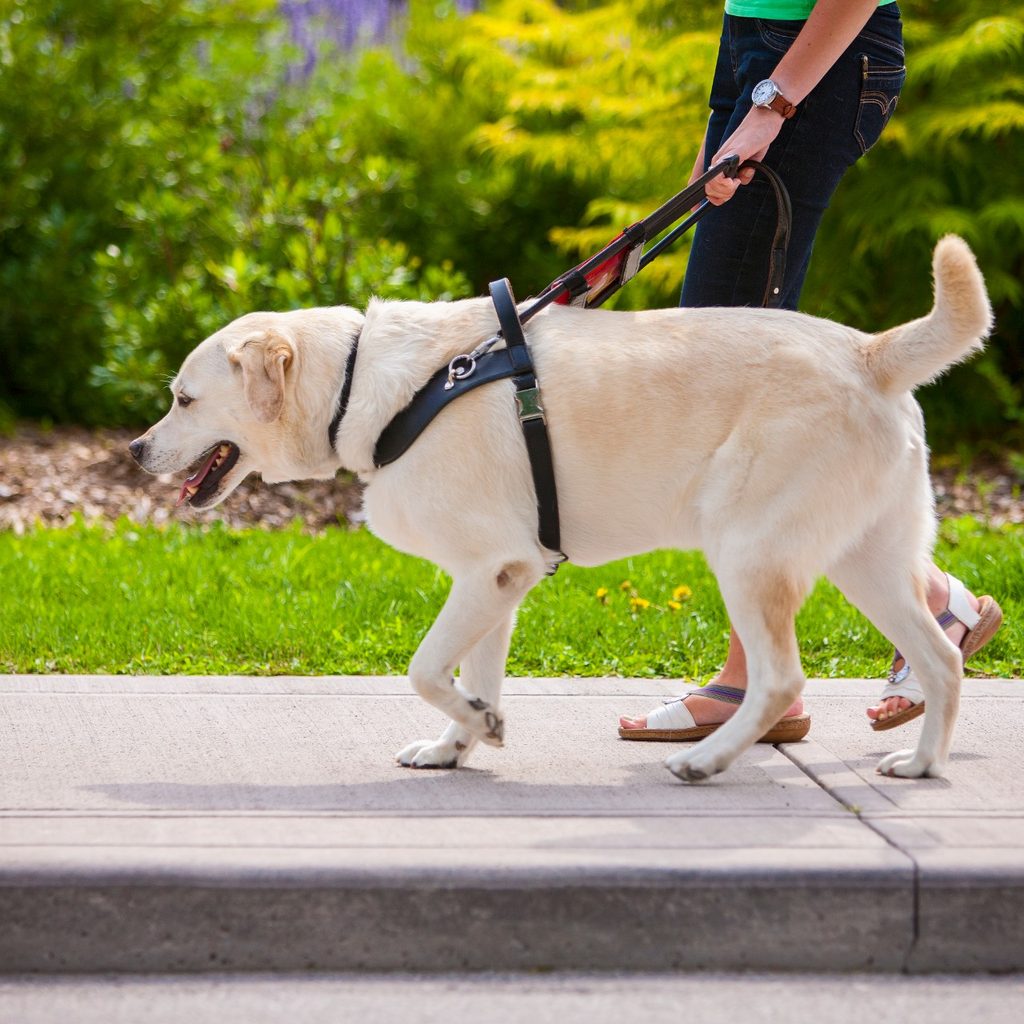
Harnesses are a great alternative to collars. They come in a variety of styles, but they all have the same basic design. They strap around your dog’s chest rather than their necks. Harnesses have many benefits when compared to collars and may be the better choice for your dog. Check out the pros and cons of harnesses before deciding:
Pros
• Great training tool for puppies
• Offer better control
• Put pressure on your dog’s chest rather than their neck
• Discourages pulling
• More secure on your dog than a collar
Cons
• Can feel bulkier/more uncomfortable than a collar
• Can encourage pulling in some dogs
Securing a dog harness may take more effort, but they offer a lot of great benefits. They are better for your dog’s neck, they provide a sturdier hold on your dog, and they often discourage pulling. Harnesses may encourage pulling in overly rambunctious dogs because they aren’t putting any pressure on the neck. Harnesses are great for both large and small dogs.
With large dogs, they offer more support for you to restrain them. With small dogs, you don’t have to worry about hurting their delicate, little necks from excessive pulling.
Overall, harnesses are good for large dogs, small dogs, overly energetic dogs, and dogs that tend to pull.
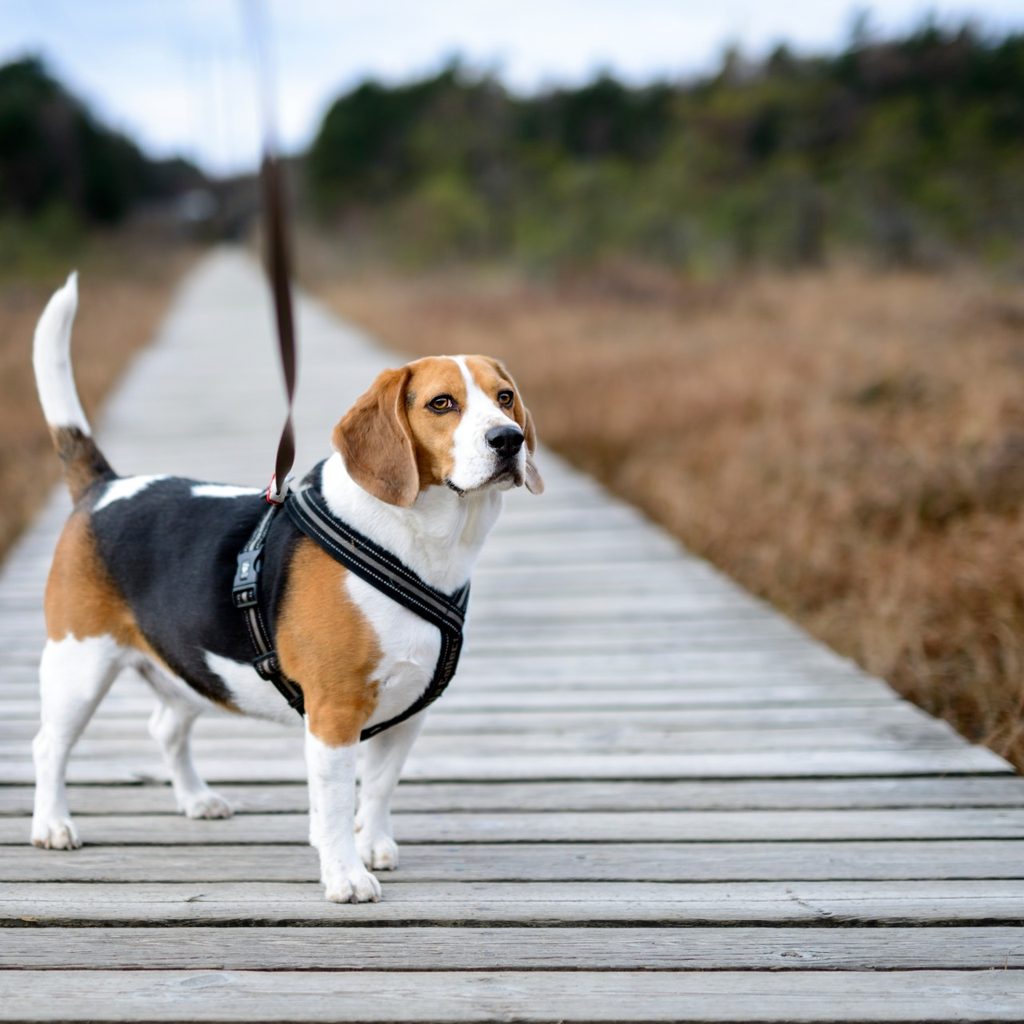
Harnesses and collars are both great options for your dog. One may just suit your dog’s needs a little better than the other. Harnesses are perfect for if you have a dog who loves to pull. A harness is designed to redirect the pressure to their chests, allowing you to have more control and keep your dog’s neck safe. Collars are great for dogs who are well-trained and don’t pull.
They are also great for training a dog that is in the process of learning how to walk alongside their human. Before you buy one of the restraints, it is important to understand your dog and your goals so you can both walk comfortably each and every day.