
For folks who haven’t owned a shy, sensitive, or reactive dog, the dog park might seem like a flawless idea. Plenty of doggy playmates for your buddy, tons of room to run, and some time out in the fresh air — what could go wrong? Actually, a lot.
Dog park socialization isn’t as easy or straightforward as you may think, but we’re here to help. With the guidance of renowned canine experts and your very best instincts, you can find the perfect ways to keep your buddy happy and healthy — whether or not it includes a trip to the dog park.
Here’s everything you’ll want to know.

What is dog socialization, really?
Before you can understand the ins and outs of dog park socialization, it’s important to know what exactly socialization is. According to certified dog trainer and chair of The Association of Professional Dog Trainers, Nick Hof, this is a commonly misunderstood idea. Contrary to what many dog owners believe, socialization is not just any interaction between any dogs.
Hof describes the concept to canine writer Sassafras Lowrey as “the process of exposing young puppies under 20 weeks to new experiences” (via New York Times). The goal of socialization is to help the puppy learn about proper social interaction, gain confidence in new situations, and be a patient, adaptable canine citizen.
This tends to happen during a pup’s most impressionable period, around the ages of 7 to 12 weeks (via Regina Humane Society). Everything puppies experience shapes the way they view and interact with the world around them, including playtime at the dog park.
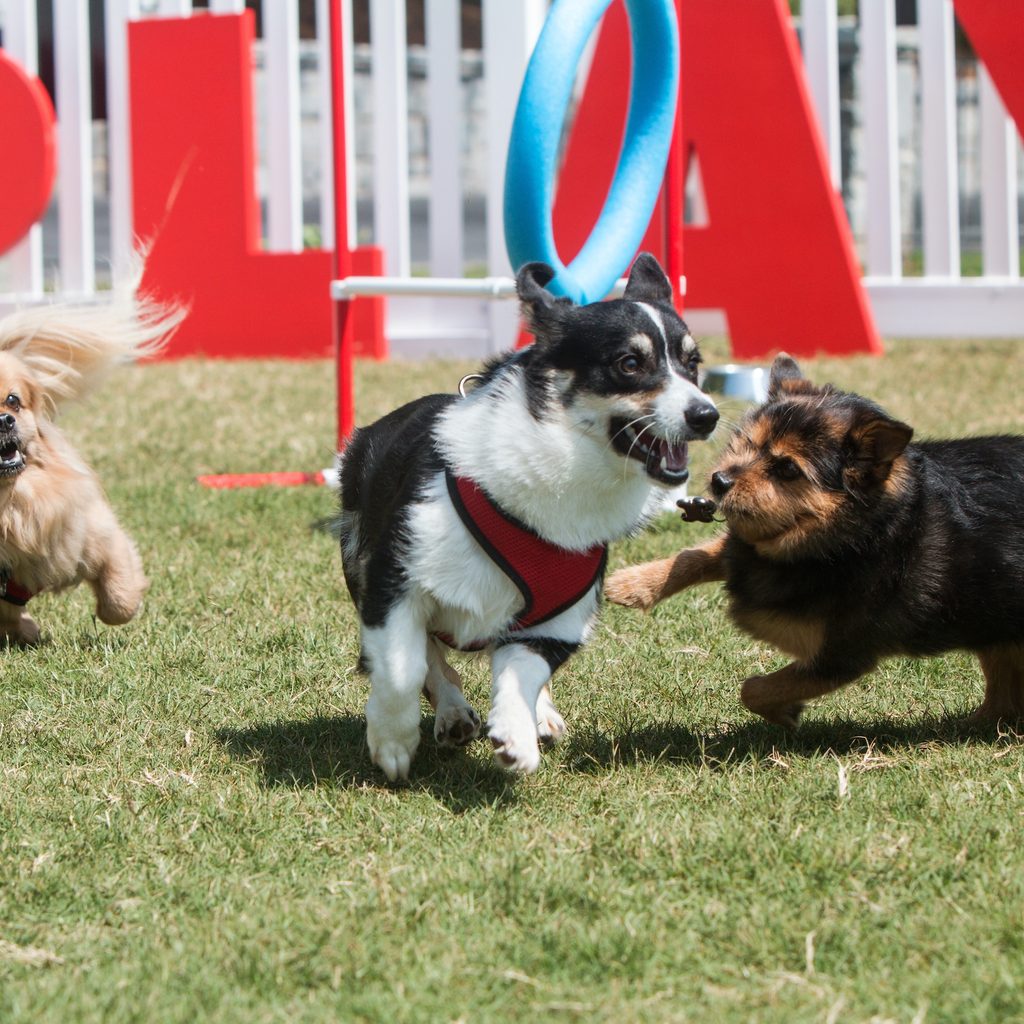
Is it good to socialize a puppy at a dog park?
When you think about what socialization really means, and how it affects your pup’s social skills for the rest of her life, you might think twice about spending that crucial time in her development at the dog park.
Hof tells The New York Times: “Dog parks are not a safe place to socialize a puppy under 6 to 12 months old. During our puppy’s early months, they are more sensitive to experiences, so a rambunctious greeter at the park may be enough to cause our puppy to be uncertain of all dogs.”
Even adult dogs can be permanently affected by difficult dog park experiences, though. Especially if a pup is already shy or hesitant in highly stimulating situations, the seemingly innocent chaos of a dog park can be enough to trigger a negative reaction, notes Lowrey.

The dangers of dog parks
The possible hazards at a dog park can be endless, and it’s up to you as a responsible pet parent to keep an eye out for them. Here’s what you’ll want to watch out for.
Injury
When you have so many dogs (and people) crowded into a small area, some kind of accident is more likely to happen. Whether it results from a dog fight or even just tripping over the pack of dogs circling at your feet, it can happen to anyone, human or pup.
Pet parents can look out for everyone’s safety by avoiding small or overcrowded dog parks. Even better, find a park that has separate, fenced-off areas for dogs of different sizes; this decreases the chance of dog-on-dog injury.
Diseases
It should go without saying that puppies who are not fully vaccinated should not be visiting a dog park for any reason. It can be impossible to know what germs are hiding around pooch-populated areas, especially places like dog parks where animals drink water, urinate, defecate, and lick who knows what. If you do decide to try out a dog park, make sure your buddy is healthy! Should any bites or injuries occur, this decreases the likelihood of infection, too.
Bad habits
This can be a bigger concern for younger, impressionable dogs, but dogs of any age can learn unwanted habits from their park buddies. Whether it involves inappropriate play styles, overenthusiastic greetings, or dominating social situations, Lowrey warns owners how easy new behaviors can develop for dogs.
“On the other hand,” she explains, “dogs that are overwhelmed by the boisterousness of others may become withdrawn, skittish, and nervous when meeting other dogs in and out of the dog park.” Think of it as just one more reason to keep an eye on your pup at all times!
Whether or not you’re thinking twice about visiting the dog park, be sure you’re making the choice that you think is best for your dog. There are tons of activities you can do together if you decide the park isn’t your cup of tea, like hiking, new walk routes, and even agility training classes. So keep an open mind as you find new ways to keep your furry friend active and mentally stimulated.