Crate training is one of the most polarizing topics among pet parents, with some claiming that keeping your pup in a crate for any length of time is cruel and may lead to behavioral problems, aggression, and separation anxiety. On the flip side, many pet parents, veterinarians, and dog trainers recommend crate training as a way to keep your pup safe from harm when you’re not at home. Is crate training necessary? We’ll not only tackle both sides of this complicated issue once and for all, but we’ll also share how to potty-train a puppy without a crate. Here’s what you should know.

The case against crate training
According to some pet parents, crate training is “lazy training.” Opponents believe some people take the easy way out and crate their pups instead of training them properly. One of the main arguments is that dogs are social animals and require attention and physical affection to form a solid bond with their human family members. And we’re inclined to agree with certain aspects of these arguments against crating dogs. When used as a supplementary form of training, crating can be invaluable, but it shouldn’t be used in place of training your dog.
Similarly, we can understand why some pet parents consider it cruel. Because dogs are social creatures, they shouldn’t spend all their time in a crate, which could lead to feelings of isolation and abandonment. Crates are not substitutes for training or personal attention, but some experts say they’re necessary. Let’s find out why.
The case for crate training
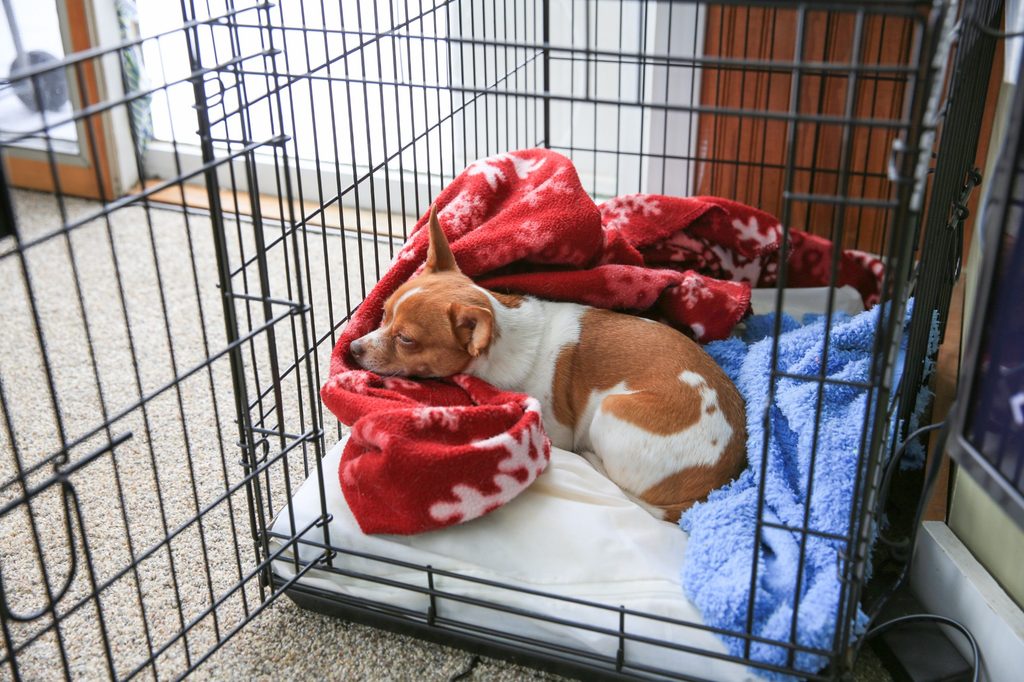
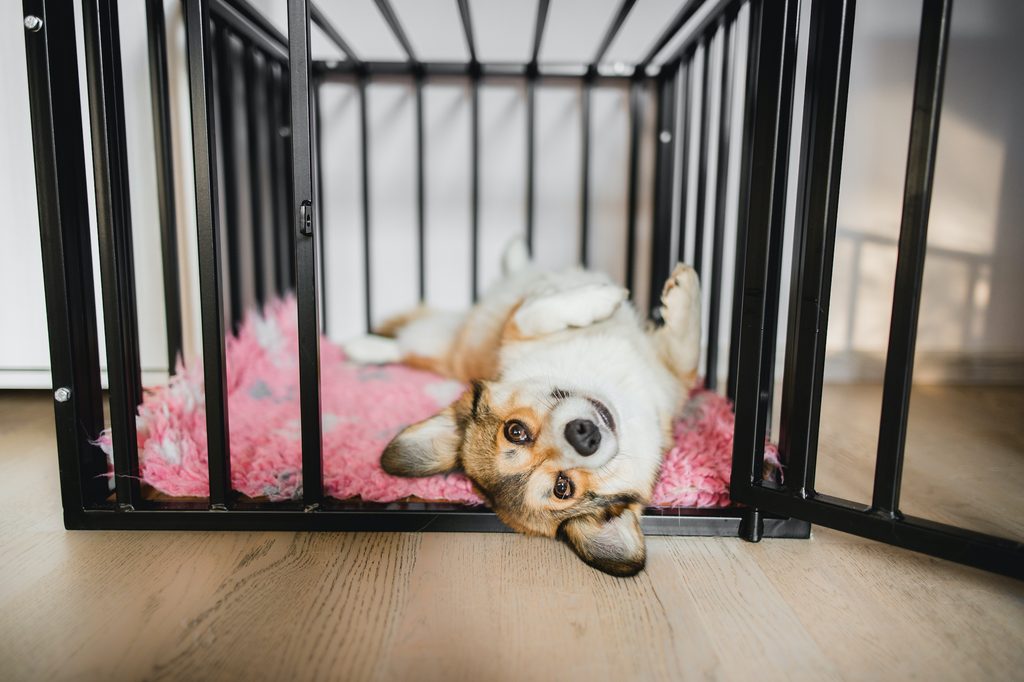
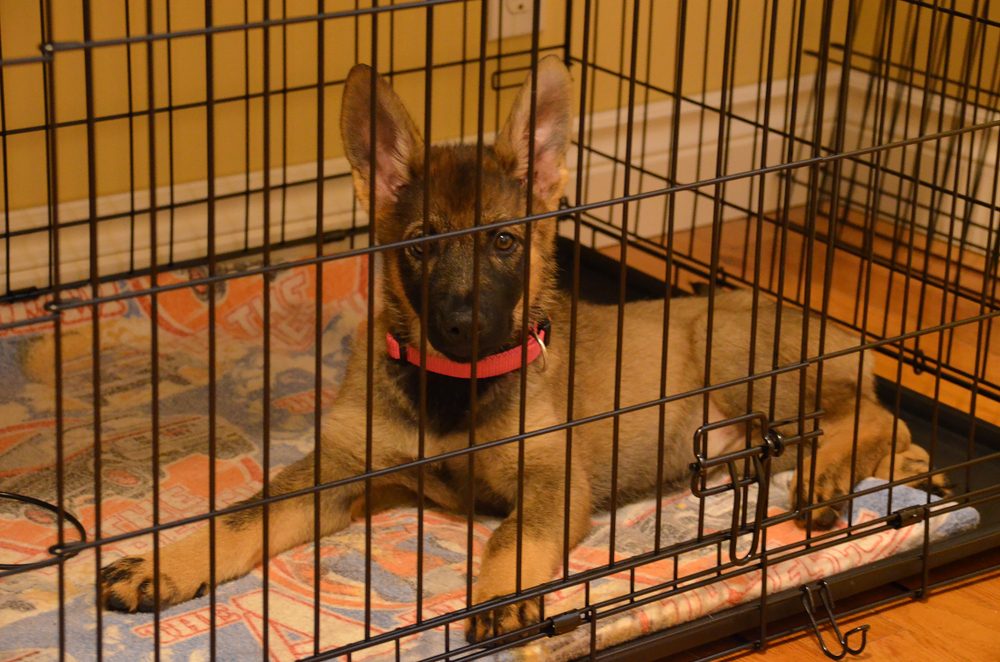
According to Hill’s Pet, “Crate training is necessary for safety, damage prevention, housetraining, and traveling.” Curious puppies want to explore their space, which can be dangerous if they’re left unattended. Anything from computer cords to medicine bottles can be hazardous to your dog. While puppy-proofing your home is a must, crating your dog can help if you want to ensure a pup’s safety when you leave the house. However, you should never leave small dogs or puppies under 6 months old in their crate for longer than 3 or 4 hours. Puppies lack the bladder control necessary to remain crated for longer periods, and small breeds have small bladders. Confining your pup to a crate for extended periods will result in a messy crate, and no pup wants to be trapped next to a soiled potty pad.
Contrary to popular belief, crate-training your puppy won’t make him feel confined. It will give him a space of his own, which helps him feel safe and secure. In fact, crating dogs can actually help calm anxiety. Lastly, crating your dog can help make the potty-training process easier, as it will allow you to prevent accidents in your home while teaching your dog to hold it until you take him outside to do his business. (You’ll want to nix crate training as part of potty training if your pup urinates and defecates in his crate. If your dog came from a shelter, he might be used to eliminating in his crate, and you’ll want to avoid encouraging this behavior.)

Choosing the right crate for your dog
Resist the urge to rely on weight guidelines when choosing a crate for your dog. Your Pomeranian may weigh the same as an Italian greyhound, but your Pom’s legs are shorter. Dog crates should have just enough space for your pup to stand up, turn around, stretch out comfortably, and lie down for a nap. He’ll also need enough space for food and water. If the crate is too large, your pup may think one side of his crate is for sleeping and one is for pooping.
What are the alternatives to crate training?
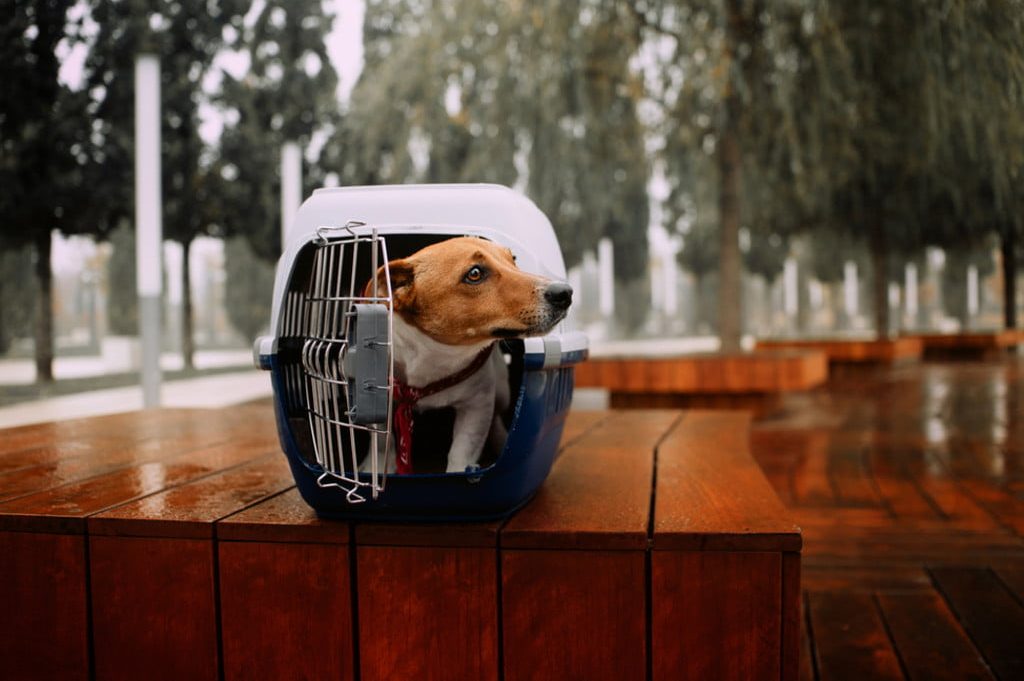
A crate isn’t the only way to keep your dog safe. Some pups will prefer to stay in a designated area as opposed to a cage. Think about puppy-proofing a room to be his spot while you’re out. This could include water, toys, and a soft bed, so it’s a bit like crate, but a lot more space. Another way to keep a canine in place, at least while you’re around, is to set up a gate or playpen. Similar to the crate, that acts as a safe space for Fido, but will allow them more wiggle room and you more interaction.
Feel free to drop a treat in when they’re being especially good. Lastly, you may have to install baby gates around the house if you don’t opt for the crate, which will secure them to one section of the house and can prevent accidents around dangerous places like stairs.
How to potty-train a puppy without a crate
If you’ve decided that crate training isn’t for you, you can still potty-train your pup successfully. Here’s how.
Step 1: Learn your puppy’s body language
Some puppies whimper, bark, scratch at the floor, squat, or pace when they need to go outside. Keep an eye on your puppy, learn his tells, and take him outside immediately. Praise him and give him a treat to reinforce the training.
Step 2: Designate an official potty area
When taking your pup outside, take him to the same spot to potty. The smell of his urine and excrement will help him associate that particular area of your yard with the bathroom, making him less likely to go elsewhere.
Step 3: Create a potty-break routine
Most dogs need to use the bathroom within 30 minutes after eating. Once your pup has eaten, keep an eye on him to make sure he isn’t displaying his “I need the bathroom” tells and then take him outside after 30 minutes.
Step 4: Clean up accidents using an enzymatic spray
Accidents happen, especially when you have a puppy. Clean up any accidents immediately to prevent your pup from confusing your rug for his potty pad on a permanent basis.
Whether you decide to crate-train your dog or not, you should begin training at an early age. It’s much easier to teach a dog how to do something than it is to break a preexisting bad habit. Stay calm when accidents happen, use positive reinforcement when your pup follows your commands, and remember that your dog isn’t trying to be naughty. Like small children, puppies are excitable and need your patience.