
Going into work isn’t always something you look forward to, but there’s one special day you’d never use a sick day for: bring-your-dog-to-work day. National Take Your Dog To Work Day falls on June 25, and many workplaces participate (and some have pet-friendly policies all year round). If you work in an office, warehouse, or another outside environment, you don’t get to enjoy the company of your four-legged co-workers the same way you would if you worked from home, so days like this are all the more special. If you have a particularly large dog, though, this concept isn’t so simple. Should you take your dog to work?
Large dogs at work can be just as distracting or destructive as they can be uplifting and fun, but is there any way to know which way your day will go? Before you decide to let your canine companion tag along to the office, keep a few things in mind.
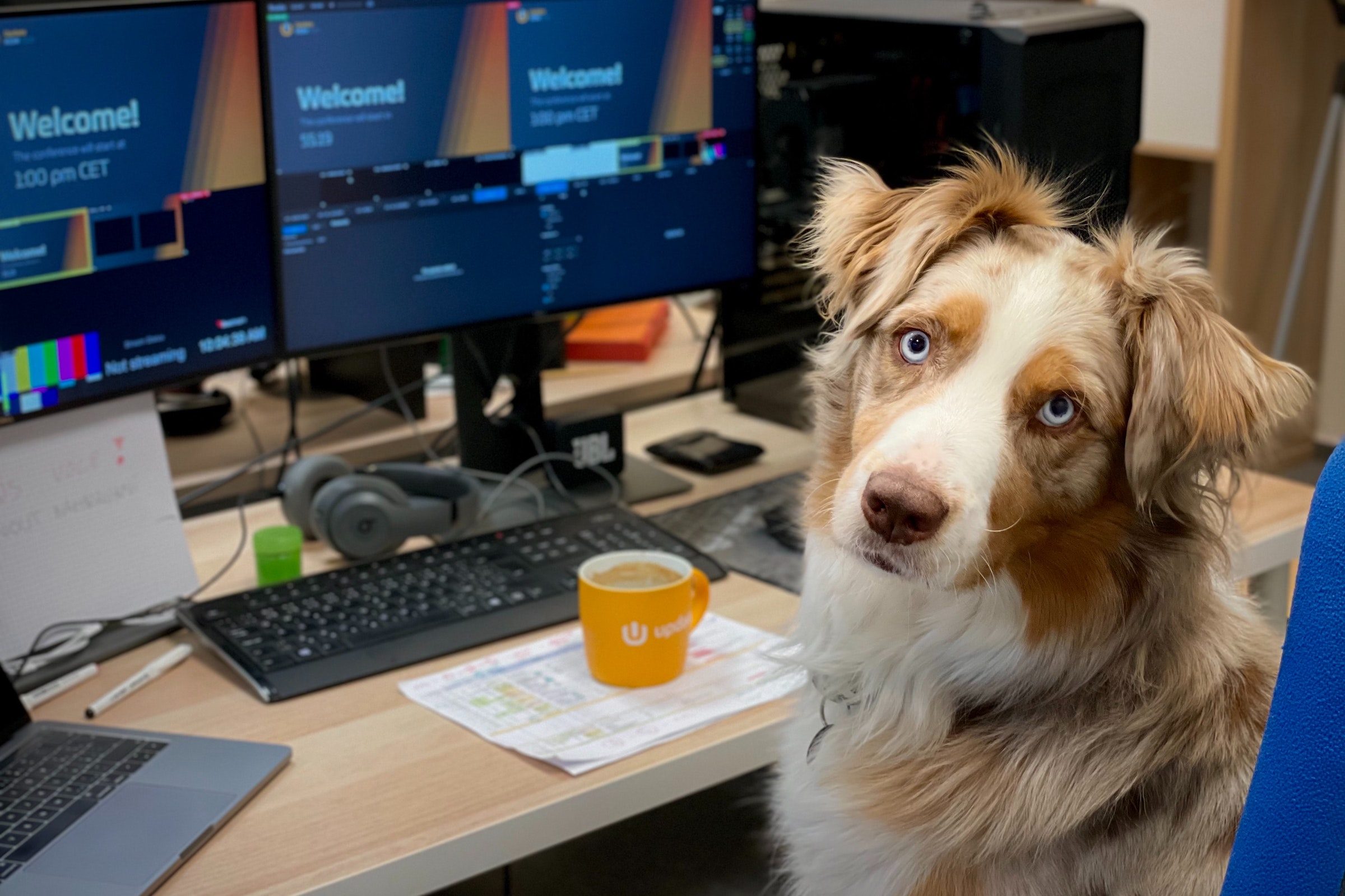
1. What’s your office’s dog policy?
Although it may seem obvious that your workplace allows dogs if you’re having a bring-your-pet-to-work day, it’s still a good idea to double-check. Unfortunately, breed discrimination still exists in many places, and larger breeds are usually the target.
Breed restrictions are usually looking for “aggressive” breeds or large dogs with square heads — an indirect way of saying “no pit bulls.” As unfair as the misconceptions about bully breeds are, the workplace isn’t necessarily the best place to protest this injustice.
2. Will your co-workers mind having a large dog around?
Although your office allows dogs to visit, not everyone in your office is bound to be thrilled. We know — it’s hard to imagine not loving dogs, but those people are certainly out there, and they could just be your cubicle neighbor.
It never hurts to ask around if you’re planning on bringing in your pet. You wouldn’t want to scare a co-worker out of their wits, after all. Even if no one protests, this gives your co-workers a courteous warning so they can plan accordingly, too.
3. How does your dog do with strangers?
Because large dogs are, well, large, their personalities can come off as stronger than they really are. A small dog jumping up to greet you, for example, isn’t nearly as surprising (or disruptive) as a husky who can’t seem to keep all paws on the floor.
If your pup isn’t fond of people she doesn’t know, she’ll probably just be stressed while hanging out at your job. That won’t be fun for anyone! For dogs who may not have had a chance to be around a lot of people, try a socialization experiment where you walk in a busy space or visit a few friends. Then you’ll know what to expect.
4. Is your dog well trained?
Asking yourself this question is essential to a successful workday with your furry friend. Even if your dog is curious or energetic, she’ll be a polite co-worker for the day if she understands and obeys your commands. A lot could go wrong with dogs in the workplace, and obedience is the key to safety in circumstances like this.
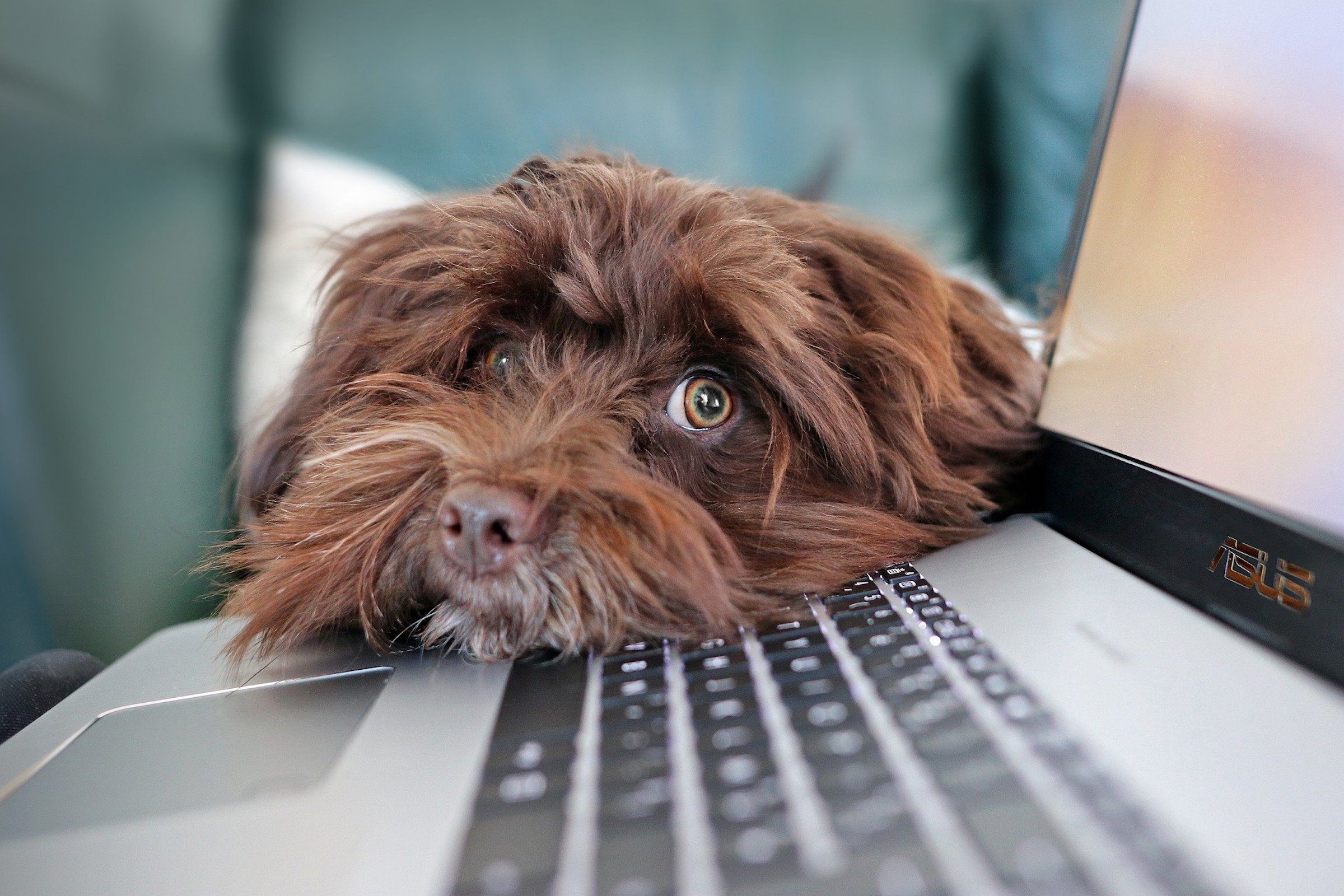
5. How will you accommodate your dog in your workspace?
As fun as it is for you and your co-workers to have your furry friends by your side, it’s just as important to make sure your dog is having a good time, too. Do you have space for her bed and water bowl? Which non-annoying toys can you bring to keep your pup occupied?
If you work in a warehouse without air conditioning, or any other extreme environment, it might be best to keep your dog at home for the day. If you’re able to accommodate her, great! But if not, no worries. There are plenty of other fun activities to do together that don’t involve going to work.
6. When will you take your dog outside during the workday?
Bringing your dog to work requires some adjustments to your schedule. Pups don’t have nearly as long an attention span as we do, after all! Even if your four-legged friend can entertain herself with toys and treats, you’ll need to take a few bathroom breaks throughout the day to avoid any accidents. Is your schedule flexible enough for that?
Large dogs can look more like a bull in a china shop when they’re roaming around an office or store — but some can make a wonderful work time addition! It’s all about making your dog and your co-workers (and customers) comfortable; the rest of the answers will fall right into place. You’ll know what to do!