
Bringing home a new puppy can be one of the most exciting times in a person’s life, but that doesn’t mean you’ll have picture-perfect moments every time. In fact, helping your four-legged bundle of joy reach their milestones can be downright frustrating at times! It happens to the best of us, but we’re happy to tell you that some of those milestones — like walking your puppy for the first time — can be reached with a shortcut or two. And that’s where Lorna Winter comes in.
Winter is a veteran dog trainer and the co-founder of Zigzag, which is a puppyhood training app that you can customize to help you and your dog succeed. Since she’s such an expert when it comes to all of a puppy’s “firsts,” we asked her for her best advice when taking a puppy on their first walk. As you might have guessed, it’s a lot more complicated than simply putting on a leash and going for a stroll!
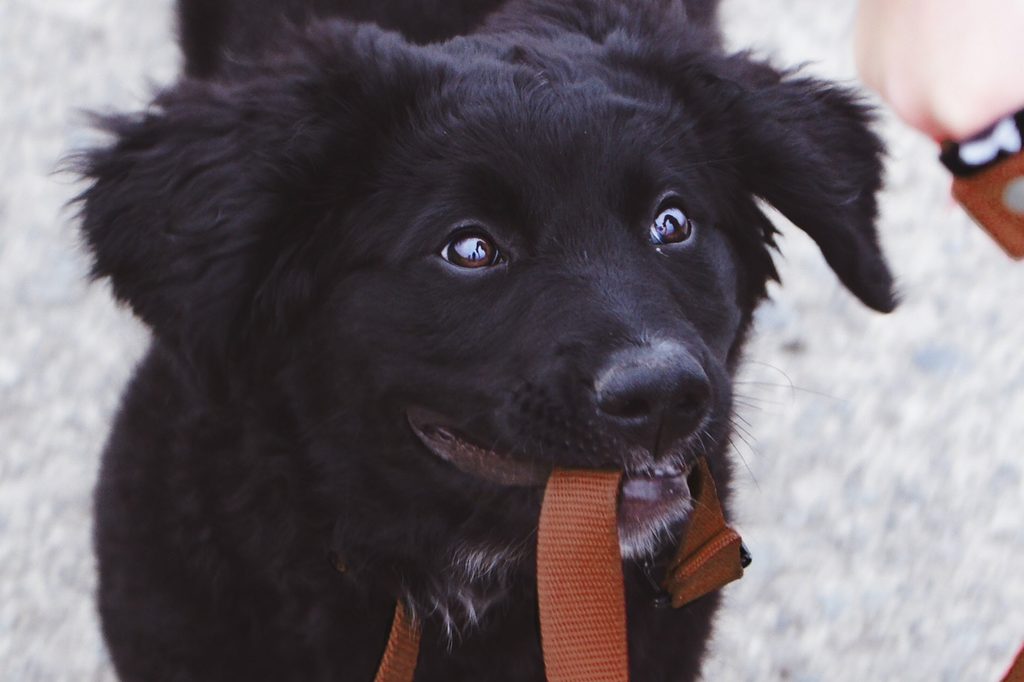
Start leash training indoors with a ‘naked’ puppy
Before you and your pup even step foot outside, Winter recommends you “teach them that by your side is the right place to be.” To do this, you’ll need lots of treats, time, and patience.
You can start by holding some of the treats in one hand — the hand on the side you’d like your puppy to walk on. As your little buddy sniffs the treats in your hand, start walking forward. This should prompt your pup to start walking forward with you. Now it’s time to drop a treat and reward the following.
Keep rewarding your dog every now and again as you lead them forward with treats. As Winter explained, “We want them to associate walking beside you as good behavior that will end with something yummy […] The key is to reward your puppy while you keep moving — don’t stop to give them treats, as this will result in frequent stops on walks.”
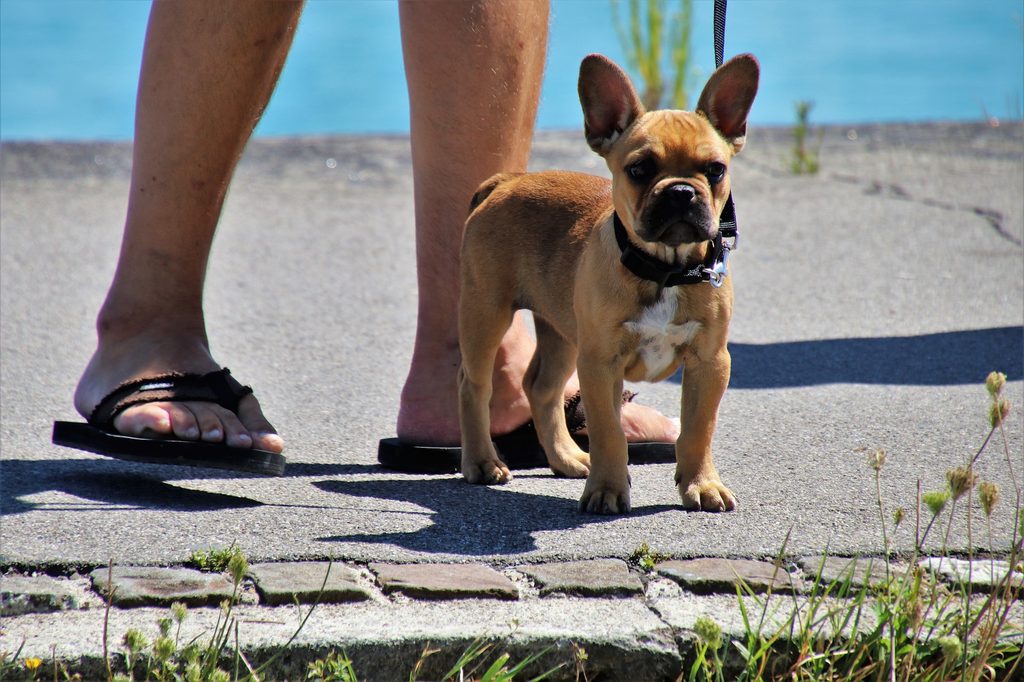
Once you’ve completed the first step, try on your puppy’s harness while you practice
When you feel like your pup has gotten the hang of following with their nose, you can try adding their harness (and even leash training) to the equation.
“As you put the harness and collar on,” said Winter, “this will feel awkward to them at first, so you will want to take time and build this up slowly while using treats to reward them.” If that means trying on a collar or harness apart from training time, that’s OK. As our expert explained, “This way they will learn that getting dressed is nothing to be worried about, and will result in reward rather than any discomfort.”
Once the harness feels like second nature, help your puppy try a leash
The second step to getting dressed is to attach your puppy’s leash, which can also take some time to get used to. That’s why Winter recommends trying a leash for the first time indoors or in a gated area, like a backyard. Once your dog seems comfortable with the leash attached (which might be instant), try your nose-to-the-hand following technique.
“Keep your lead ‘smiley,'” noted Winter. “When the lead loops down loose, it will look like a smile between you and your dog. As long as the lead looks smiley, you’re on the right track. Have the lead in the opposite hand to the side you walk your puppy on. That way, you won’t have to perform a contortionist act when handing them a treat.”
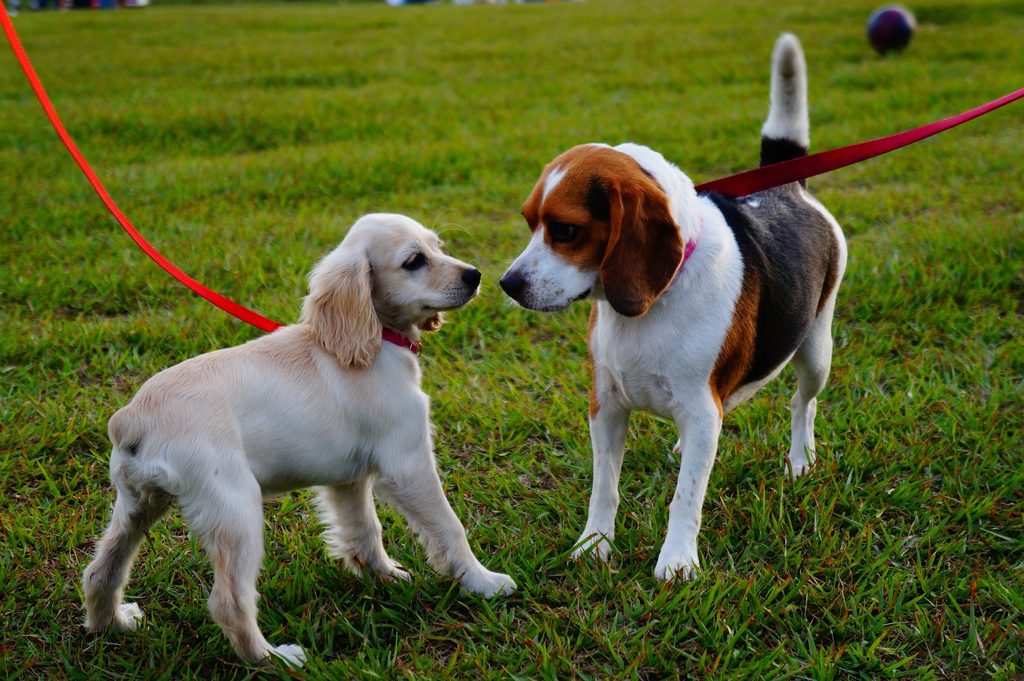
It’s time to take it outside once the harness and lead are comfortable
When your puppy can follow your hand while wearing a harness and leash, they’re ready to tackle the great outdoors. Be aware, though — these won’t be the same walks you’ll be taking when your buddy is fully grown! When walking your puppy for the first time, there are going to be tons of new sights, sounds, and smells for them to take in.
Winter warned, “This can be quite distracting and will make it difficult for them to follow lead training. Some dog owners will find cheese or liver paste in a tube useful for lead training, as you don’t have to bend down so far — a good tip for tall people and small dogs! Placing treats on the ground takes away the puppy’s need to always look up and they can focus on walking forward.” Of course, you’ll need to be patient about any distractions that do turn your dog’s head.
Make your first few walks short to keep your puppy comfortable and engaged
When first walking your puppy, you won’t want to go all the way around the block. As Winter explained, “There is so much your puppy is processing, from loud traffic sounds to new smells. It can be a huge task to complete even a small walk.” When in doubt — start small.
It’s also important to walk at your pup’s pace, and not the other way around. This is because, “dogs either like to walk very very slowly, or they like to walk quite briskly; regular human speed can be difficult for them to get the pace right.” Instead, Winter encourages pup parents to speed up or slow down as needed.
Read your puppy’s body language
You also want to get to know your dog’s body language, which could obviously take some time to master. Until then, you can look for classic canine stress signals: sitting or refusing to walk, shaking, and leash grabbing or biting.
“Be mindful that your puppy may be anxious and don’t force them to do anything they don’t want to,” said Winter. “Instead, reward them with treats when they walk well and begin to head home when you can sense tiredness, frustration, or agitation.”

How to know when they’re ready to walk in new places
It will take some practice before you and your puppy are ready to try walking in unfamiliar or more crowded places. Here are the things you need to have in order to find success while walking, according to Winter:
- A puppy that has some idea walking next to you predicts rewards, and that has practiced that behavior in easy locations first.
- Some high-value treats for teaching your puppy that engaging with you instead of everything around them is worth their while.
- Non-distracted walkers. You should also avoid any distractions and focus your attention on your pup, as they will you. Phones away except for when taking cute pictures and videos!
Of course, these puppyhood walks won’t last forever. Before you know it, your dog will be a confident adult dog that can be trusted on a leash in a variety of places and situations. Just remember to stay consistent with your training!