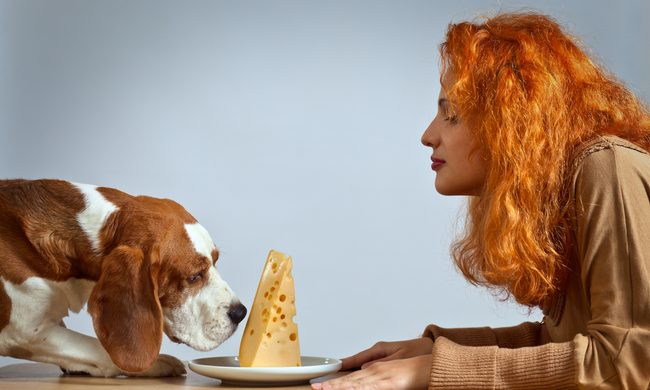
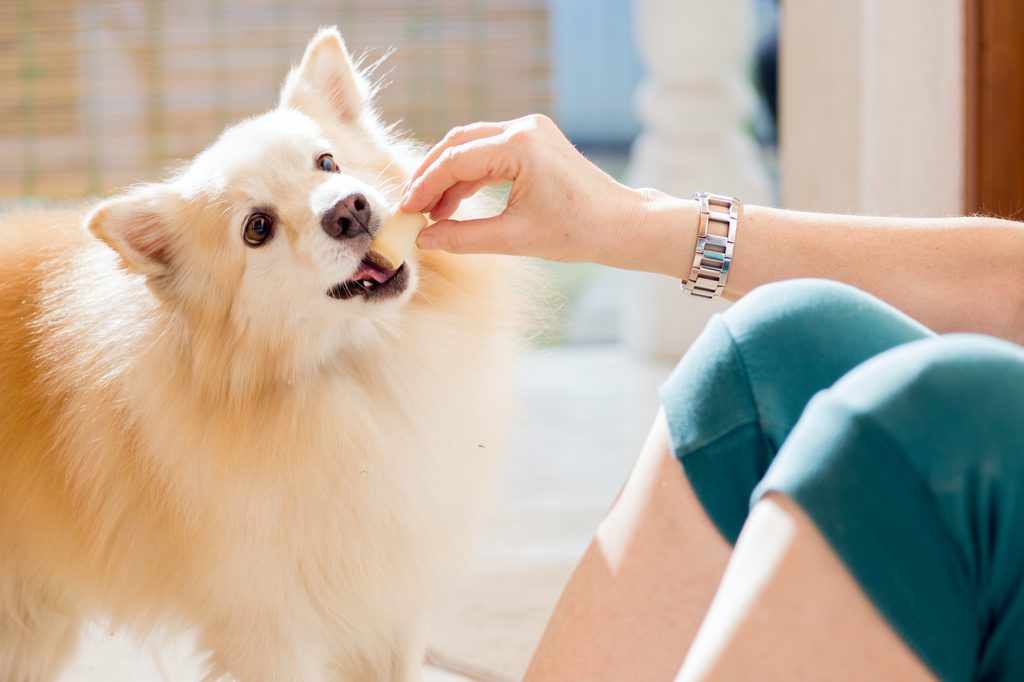
You share a lot with your dog — playtime bonding sessions at the park, cuddle time on the sofa, and so much more — so it’s only natural to want to share a snack or two. Before you do, however, it’s essential that you do your research on toxic food for dogs! While some people food is perfectly safe for your pup, there are also numerous human foods that are toxic to dogs you should know about.
The list of toxic foods for dogs
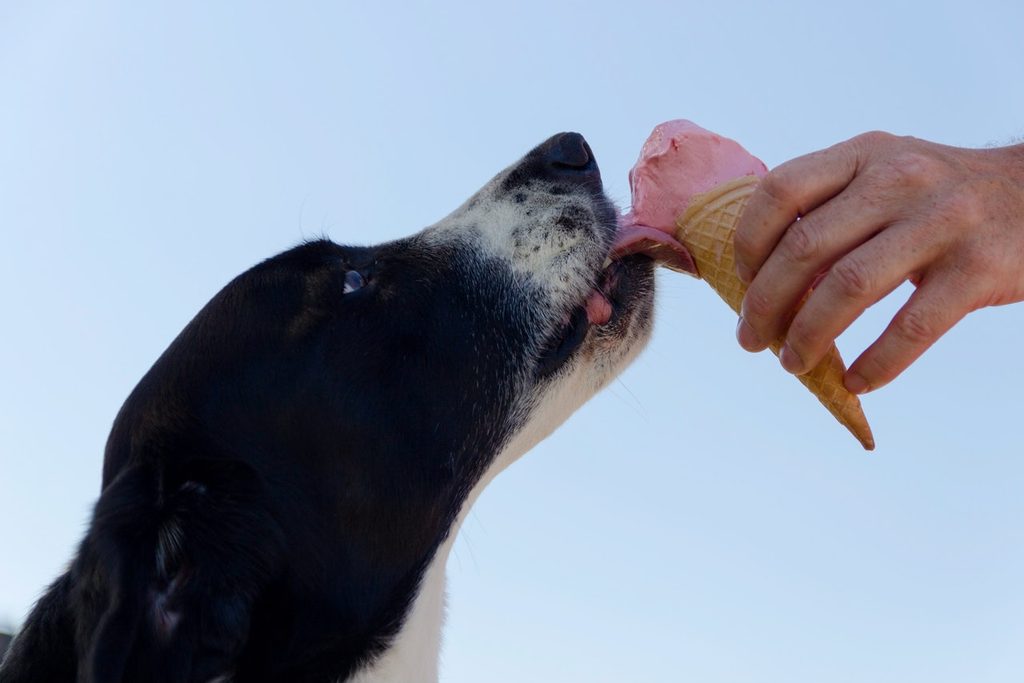
We’ll provide a list of toxic foods and ingredients for dogs, so you’ll always have a quick reference guide on hand before you share a treat with your pup. Now, there’s no excuse not to double-check! Better yet, try printing out the list and hanging it on your refrigerator so that everyone in your home is sure to see it. This way, your dog’s safety is almost guaranteed.
Here are foods and ingredients you should never feed your dog.
1. Alcohol
Dogs who ingest even a lick of alcohol may suffer from symptoms of intoxication, such as disorientation and depression, but alcohol can also cause severe diarrhea, seizures, shaking, and vomiting. In severe cases, alcohol poisoning can be fatal, especially for young puppies.
Alcohol poisoning affects dogs within as little as 30 minutes after consumption, so take care not to leave alcoholic drinks unattended and clean up any spills right away. But be warned: dogs can also become intoxicated or poisoned from skin absorption of alcohol or inhalation of alcoholic vapors.
2. Avocado
Avocado toast may be your go-to breakfast, but you’ll want to resist the urge to share it with your pup. Avocado leaves, skins, and pits contain a toxic substance called persin, which can be fatal if ingested. Even though the flesh of avocados only contains trace amounts of persin, it can cause diarrhea, vomiting, and heart damage, and it’s not worth the risk. Lastly, avocado is a high-fat food, which can cause weight gain, digestive issues, and even pancreatitis. Oh well — that just means there’s more for you!
3. Chocolate
Chocolate contains theobromine and caffeine, both of which are toxic to dogs. Theobromine and caffeine are part of a chemical group known as methylxanthines, which can lead to tremors, diarrhea, vomiting, seizures, increased heart rate, and potentially even death if ingested in large quantities.
4. Artificial sweeteners, especially xylitol
Although sugar substitutes can be helpful for people who are diabetic or looking to be healthier, they are not approved for canine consumption. Luckily, most artificial sweeteners will only cause gastrointestinal upset when consumed. Xylitol, on the other hand, causes dangerously low blood sugar, seizures, liver failure, and possibly even death. This extremely toxic substance is also called “birch sugar” and can be found in a number of low-sugar and sugar-free products, including gum, toothpaste, syrups, candies, and snacks.
5. Coffee, tea, and caffeine pills
You may love a cup of hot coffee in the morning, but your morning joe is incredibly dangerous to your pup. Caffeine causes vomiting, diarrhea, high blood pressure, and cardiac arrhythmia, which can be fatal if left untreated. Keep your dog away from tea, too, and caffeine pills should never be stored where your dog can access them.
6. Garlic and onions
Garlic and onions, two of our favorite ingredients for flavorful meals, contain thiosulfate, a compound that’s toxic to dogs. If he eats enough of them, thiosulfate toxicity can damage your dog’s red blood cells, causing a dangerous condition known as hemolytic anemia.
7. Grapes and raisins
No one is entirely certain why grapes and raisins are so dangerous for dogs, but they should be avoided at all costs. Dogs may exhibit symptoms like lethargy, vomiting, diarrhea, abdominal pain, dehydration, and difficulty urinating. If left untreated, your pup may suffer kidney failure from eating grapes and raisins.
8. Gum
If you keep chewing gum on hand to freshen your breath after a meal, make sure your dog can’t reach it. Not only do sugarless gums contain xylitol, which can be fatal if ingested, but eating large amounts of gum can also lead to dangerous intestinal blockages. You should take your dog to the vet immediately if you suspect he’s eaten gum.
9. Macadamia nuts
Macadamia nuts make a delicious buttery snack for humans, but they’re actually dangerous for your dog. As with grapes and raisins, experts don’t know exactly what component found in macadamia nuts causes problems for dogs, but the problems can be serious. Your dog may have vomiting, weakness, depression, ataxia (impaired movement), and hyperthermia from snacking on just a handful of nuts.
10. Salty snacks
While small amounts of salt won’t harm your pooch, he may experience nausea, vomiting, and diarrhea if he eats enough of it. In severe cases, fluid retention, tremors, seizures, excessive thirst, and excessive urination have been reported. Salt poisoning can be fatal if your pup eats too much, so take him to the vet if you notice any of these symptoms.
11. Yeast dough
Fully cooked bread is perfectly safe for your dog in moderation, but uncooked yeast dough may kill him. Uncooked dough continues to rise in your dog’s stomach, leading to uncomfortable distention that could cause bloat. Yeast dough also releases ethanol into your dog’s bloodstream, which can cause alcohol toxicosis. Contact your vet immediately if your dog eats raw dough.
12. Lemons and limes
Although these citrus fruits are refreshing summertime staples, they should not be shared with your dog in any form. Not only are lemons and limes exceptionally tart, which your dog likely won’t enjoy, but they can also contain chemicals that are toxic to canines. The flesh of the fruit does not contain the chemicals in large enough amounts to be harmful, but the acidity of lemons and limes can have its own ill effects on the digestive system.
Lemon juice contains citric acid, while the rind contains psoralen. Neither of these is safe for dogs to eat, but your dog may not tolerate the smell or taste enough to eat them. Even the leaves of these plants can contain these harmful compounds, though, so make sure to keep your lemon or lime tree secured with a fence until it’s tall enough to evade your dog’s grasp.
Keep your pup safe
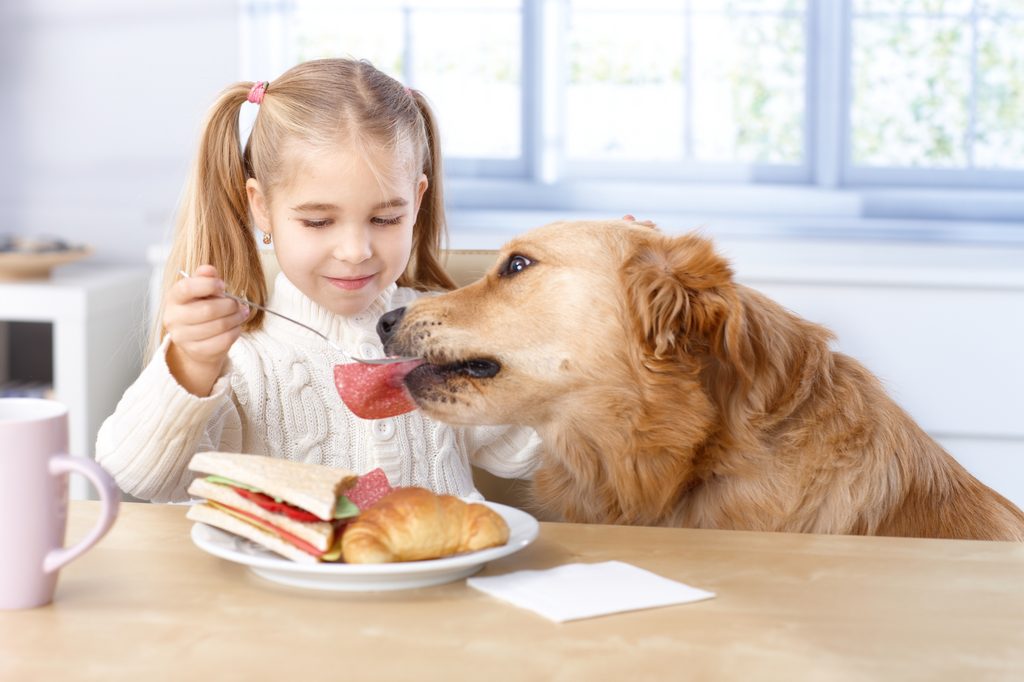
While some of the foods on this list cause mild symptoms, others can have potentially fatal consequences. Puppy-proof your home by keeping food, medications, and toxic plants out of reach. Make sure you give your dog human foods that are safe for him to eat. When in doubt, stick to healthy dog treats instead of sharing your meals with your pup. Most importantly, contact your vet if you think your dog has eaten something toxic.