

Whether you’re relaxing on the couch or sleeping in the middle of the night, a sudden bark from your normally quiet dog could send you into a panic. Is there an intruder in your home? Is your dog frightened or in pain? You’ll be relieved to know that none of these scary what-ifs are behind your pup’s nocturnal noises. They’re just a dog barking in sleep mode.
Hearing a dog barking in their sleep can be startling at first, even if you can see exactly what’s going on, but many dog owners quickly learn that this is neither uncommon nor worrisome. Many dogs bark, whine, and groan in their sleep, though it’s only normal to have questions about this unusual behavior. Luckily, we’ve got all the answers you need right here.
Why do dogs bark in their sleep?
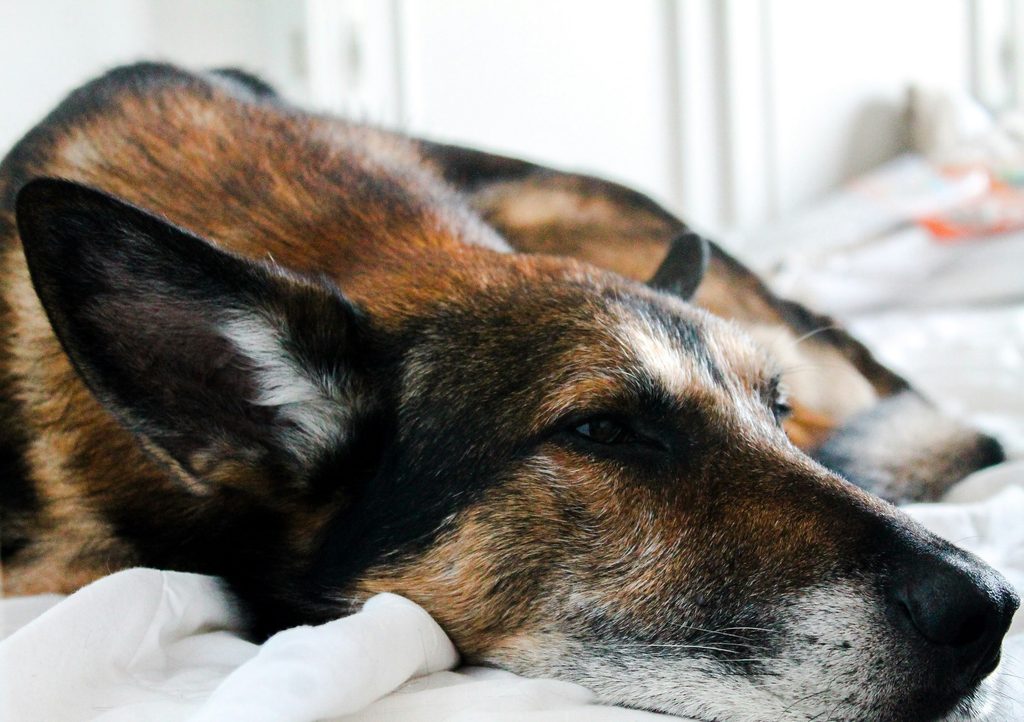
Let’s face it: Some dogs are active sleepers. Whether they thrash around during a particularly vivid dream or toss and turn more than their owners, it can be challenging to share a bed or sofa with some snoozing pups. It only gets more complicated when they start to bark! What’s up with that?
Your dog is dreaming
Sometimes, the answer you need is right under your nose. Just like people, dogs sometimes move and make noises when in the middle of a dream. This happens during the REM stage of sleep, notes veterinarian Sandra C. Mitchell, DVM, DABVP, though no two dogs cycle through the sleep stages at exactly the same rate. Some dogs might dream like this just a few times per night, while others seem to dream a few times an hour.
Why is it so different from dog to dog? It has to do with their size more than anything else. Although you may not be able to tell with quiet sleepers, small dog breeds cycle through the sleep stages much more quickly than large dogs. When dogs dream, they often dream about things that they see or do during their waking hours. That means your furry friend could be dreaming about playing with you!
Why do some dogs only bark in their sleep?
If you’ve ever acted differently in a dream than you would in real life, you shouldn’t be surprised to learn that your dog does the same thing. Pups that might be quiet in real life can still be loud and bold in dreamland, so you might hear your shy dog bark for the first time while they’re catching Z’s. If they stay asleep while barking and settle back down within a few minutes, you can rest assured that all is well.
Is my dog sleeping or having a seizure?
Sometimes, nighttime barking and movements can look much scarier than they are. Some dog owners even worry about seizures. However, you shouldn’t have to worry unless your dog has a history of epilepsy or other medical disorders.
If your dog is experiencing a seizure, they may urinate or defecate. They will also be a lot harder to wake up if seizing, though it’s best not to wake up a dreaming dog. Instead of risking it by tapping or petting your dog, try calling your dog’s name or making a noise nearby. Odds are, they’ll be lazily opening their eyes, wondering what you’re doing.
What to do about dogs barking in their sleep

It’s normal to be concerned for your fur baby’s well-being, even when you’ve been reassured that barking and whining in their sleep is a normal canine behavior. Some noises can sound like your dog is in distress, but pet experts recommend letting your dog work through their dreams or nightmares on their own. It might sound scary to let your dog continue running and barking while sleeping, but waking them up in the middle of REM sleep can be even more distressing and disorienting. Imagine running in a field of flowers, then waking up nowhere near where you thought you were.
If you’re truly worried, pay more attention to how your dog acts when they’re awake. If your dog is actually in pain or stressed out, they’ll show it while they’re awake, too. Anything from lethargy to naughty behavior could be a sign of a larger issue, but it might take a trip to the vet to rule out anything worrisome.
Most of the time, however, dogs vocalizing in their sleep is nothing to lose your own sleep over. However, that can be hard to do if your dog’s nocturnal barking and running gets particularly loud. In this case, you can look into padded dog beds and beds with bolsters to keep their movements contained, but it might come to a more drastic measure if they keep you up with barking. Sleeping in separate rooms may not be your first choice, but it will be worth it for everyone to get a full night’s sleep.
All in all, you don’t need to worry when your dog barks in their sleep. It’s only a sign that they’re dreaming in the REM stage of sleep, and it’s not a reason to disrupt their slumber. Of course, there are steps you can take if you need to separate yourself from nocturnal noises, but there’s no reason to change your dog’s sleep schedule or environment.