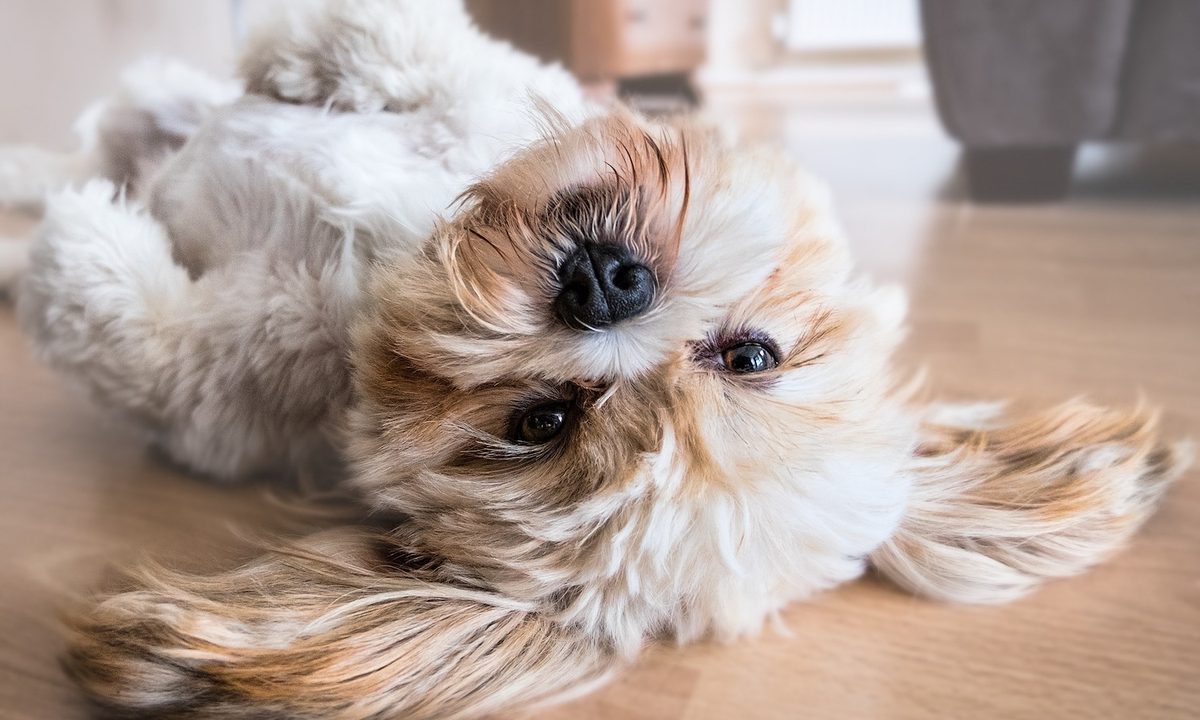
As much as we’d like to think otherwise, our dogs have us extremely well-trained. The right tilt of the head has us tossing treats their way, while a few nights of begging and sneaking have us letting them into our beds. They roll onto their backs with all four paws in the air, prompting us to run our fingers along their soft, warm bellies. They wiggle and pant, with some even making a purring sound as they enjoy the massage.
It’s so obvious from the look on their faces that our pups are in heaven when they have our undivided attention. Every dog has a special spot where they like to be scratched, but it seems like every pup melts for a belly rub. But why is this?
You’re not the only one wondering, “Why do dogs love belly rubs so much?” We’ve looked into this adorable phenomenon and uncovered both practical and precious reasons why some scratches hit the spot better than others.
Why do dogs love belly rubs?
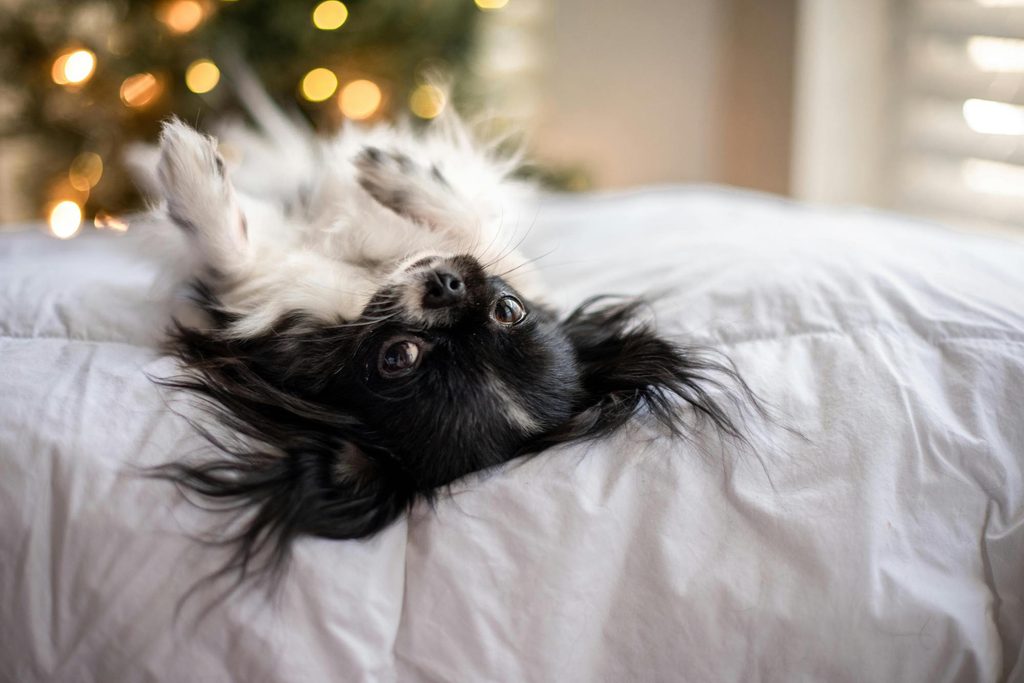
While it may seem random when your dog flips onto their back, you should feel honored when your dog asks for a belly rub. Exposing their belly and neck along with other sensitive parts of their bodies to our touch places them in a vulnerable position. According to Hills Pet Nutrition, when our dogs roll onto their backs for a belly rub, they are communicating how much they trust us.
That said, dogs also like belly rubs simply because it makes them feel good. Anyone who’s booked a massage purely for the sake of relaxation and enjoyment knows what that’s like!
There’s a scientific reason why petting, including belly rubs, feels good to our dogs, according to Discover Magazine. Studies show that all mammals have skin-sensitive neurons that respond favorably to massage-like stroking. Additionally, behaviorists believe that dogs love petting because stroking the hair is linked to social grooming in the animal kingdom. It’s one way that pack members bond!
There may also be a practical reason why our four-legged friends enjoy belly rubs. Think about how frustrating it is to have an itch you can’t reach. You sigh with satisfaction when you finally reach that spot with a back scratcher, or someone obliges and helps you out. No doubt there are areas of your dog’s belly that he can’t easily reach, and he’s thrilled when you rub that spot for him.
Do all dogs like belly rubs?
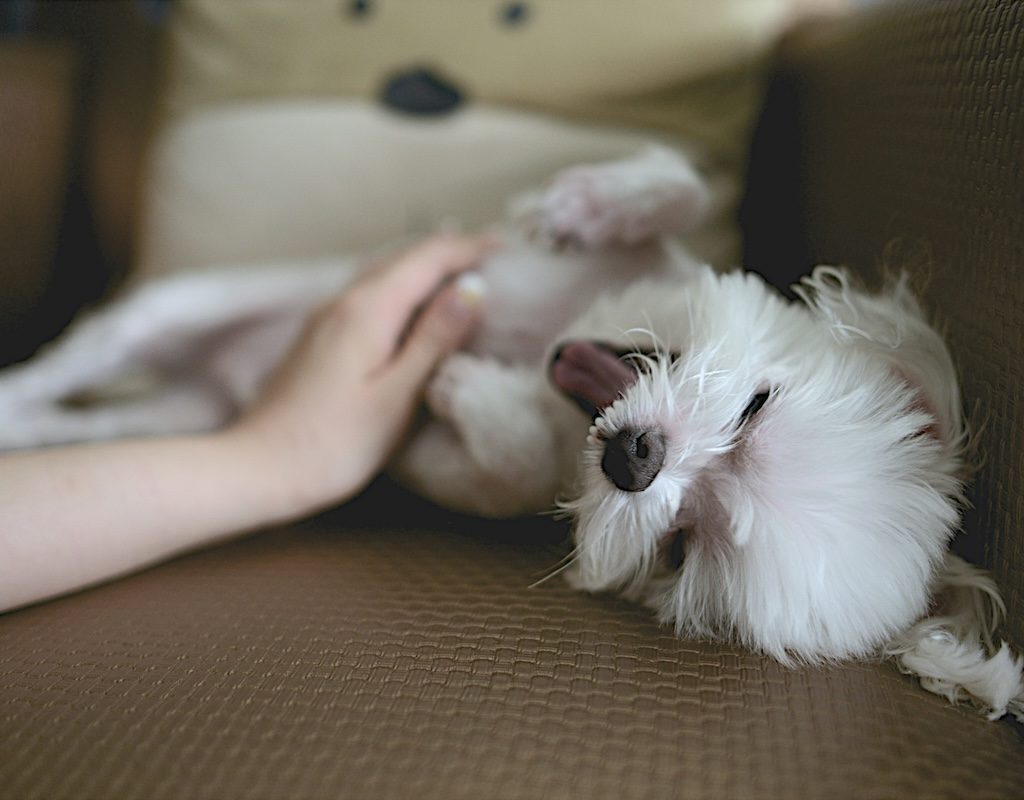
While it would stand to reason that all dogs would enjoy belly rubs, the reality is actually the opposite. Even though many dogs do enjoy belly rubs, many pooches only offer this honor to a select few people — or to none at all. Remember, it’s an extremely vulnerable thing for a dog to show his belly, and many dogs won’t do so unless they feel completely safe and familiar with those around them.
Additionally, some dogs have learned to see belly rubs and any attempt to touch their underside as an attempted threat. This can be a learned behavior, especially for dogs trained as guard dogs, but the fear can also develop naturally as a response to trauma.
Other ways to show affection to your dog
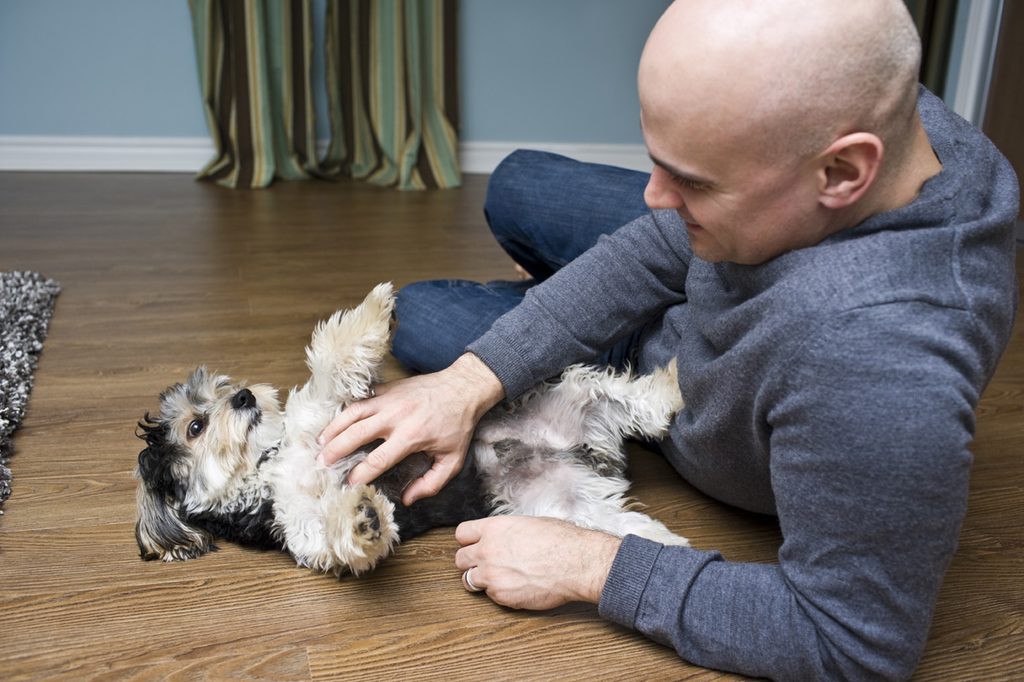
While belly rubs can be a great way to help your pup feel good and build your ever-growing bond, you’ll want to change it up by finding other ways to show affection. These are some of our–and our dogs’–favorites.
Take a short car ride
If your dog loves car rides, be sure to include him even on short trips. For example, if you’re going on a coffee run, choose a pet-friendly drive-through such as Dunkin’ Donuts, where your pooch will be treated to a munchkin donut. Also consider Starbucks to get a puppuccino, a small cup filled with whipped cream. Even if they don’t get a dog-friendly treat out of it, they’ll love the enrichment they get from exploring the world from the window.
Arrange a playdate or walk with a favorite friend
If your dog has a favorite buddy, be sure to arrange weekly playdates. If you don’t have a fenced-in yard and decide to visit the local dog park, choose off-hours when the park is quiet. Not all dog park patrons are responsible pet owners, and you don’t want to expose your dog to unruly pooches.
Offer an extra five minutes of morning cuddles
In a PetMD article, Mary R. Burch, Ph.D., a Certified Applied Animal Behaviorist, recommends spending an extra 10 minutes first thing in the morning to cuddle with your dog. This bonding time will help set the tone for the rest of your day, says Burch, and your dog will love the special time with you.
Keep your dog close
While not all dogs enjoy cuddling and kissing, most enjoy being close to the people they love. Be sure to invite your dog to sit beside you on the couch or even on your lap if you have a small pooch. Many dogs also love to sleep with their favorite humans.
Check in with your dog during the day
Life gets hectic, and we all get caught up in our busy schedules. If you’re lucky enough to work from home, be sure to take time out to pet your dog and tell him how much you love him. You can also offer a special healthy treat before returning to your desk. And if you work away from home, consider checking in remotely with your pup. You can even use a treat-dispensing camera, such as the highly-rated Furbo Dog Camera, which allows you to see and speak with your dog while also tossing him a treat.
Concluding thoughts
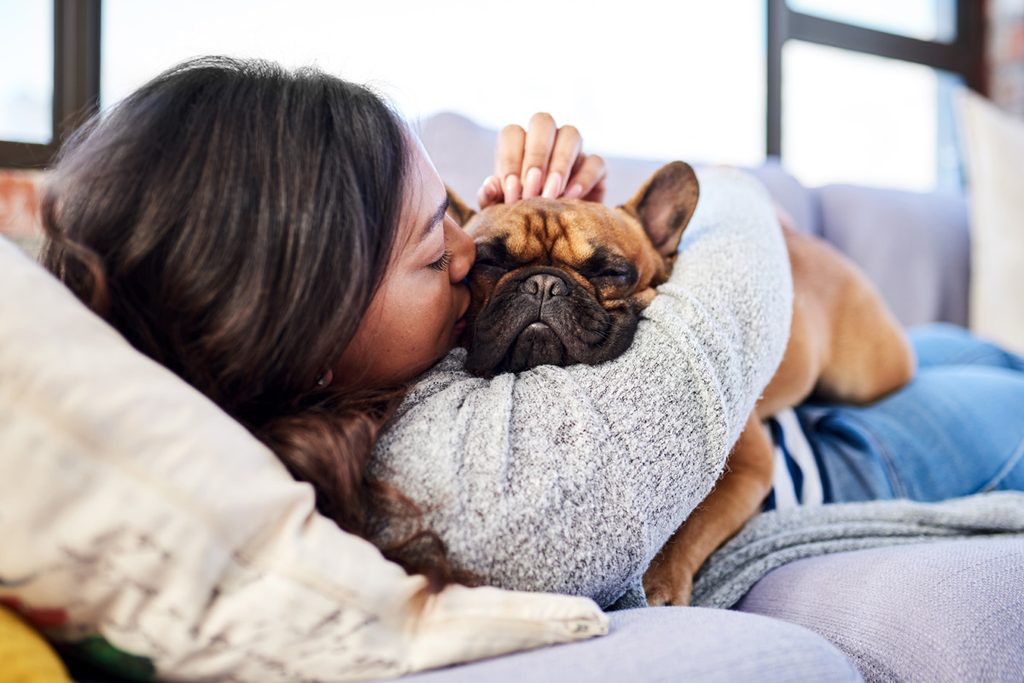
Whatever special activity you choose, be sure to carefully monitor your dog’s body language for signs of anxiety, stress, or defensiveness. If your dog isn’t the cuddling or petting type, don’t force these interactions. Instead, consider taking him on a new and interesting hike or playing a fun game of fetch. In the end, what matters is that you’re spending quality time with your best friend by engaging in an activity that you both enjoy.