
Like humans, dogs are distinct individuals. Whether we’re talking about their personality traits, funny habits, or toy preferences, no two dogs are exactly alike. While some dogs love squeaky toys, others might be frightened by the noise they make and prefer to play fetch. Similarly, some pups prefer carrying around stuffed animals, but others play tug of war with their favorite blanket.
Some dogs love their toys so much it can lead to toy aggression. But what happens if your dog doesn’t like toys? As it turns out, it could be a sign of a troubling problem. We’re here to help you get to the bottom of your dog’s disinterest in toys.
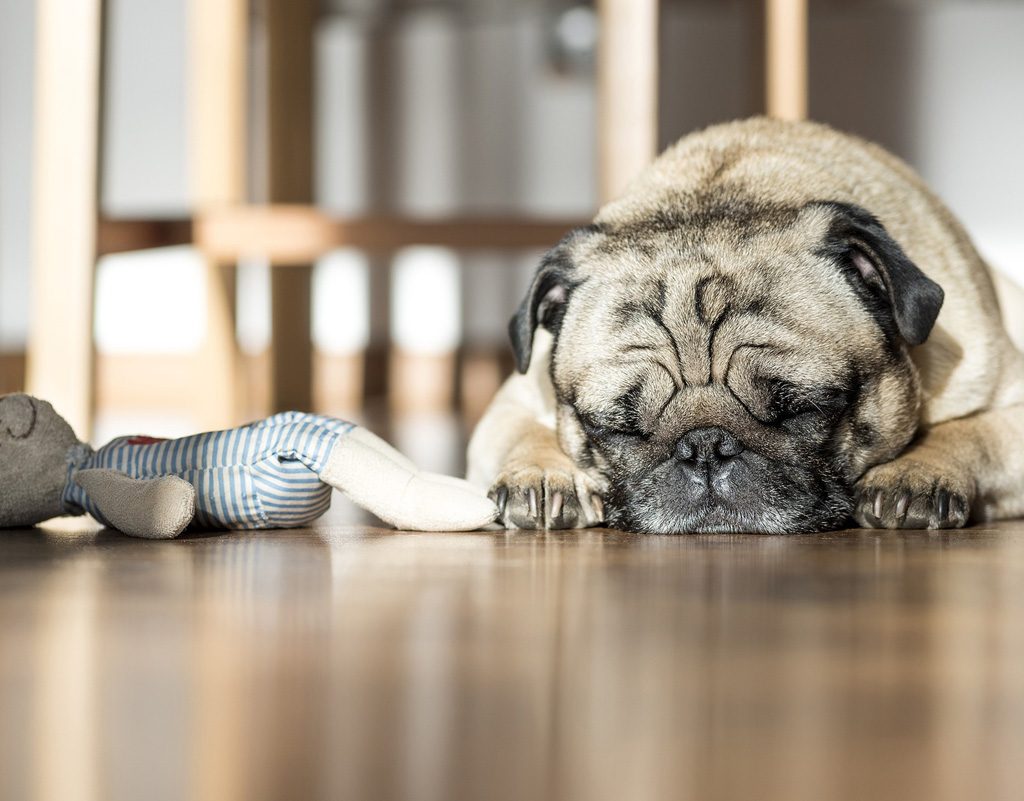
Why dogs may not be interested in playing with toys
Certified canine behaviorist and trainer Russell Hartstein of FunPawCare in Los Angeles says clients often reach out to him concerned that their dogs won’t play with toys. There could be many reasons for this, says the trainer, including:
- Boredom and depression: This often happens when a dog is forced to spend long hours alone.
- Your dog doesn’t know how to play: Dogs need to be motivated to play with their toys.
- Your dog needs a play buddy: It’s hard to play games such as tug of war or chase without a friend.
- They are stressed and afraid: This may be true of dogs rescued from an abusive situation and can’t relax enough to enjoy interacting with toys.
- There could be a health issue: Older pets might be experiencing canine cognitive dysfunction or have arthritis pain. Your dog may have a problem in their mouth, such as tooth decay or gum disease, that makes it uncomfortable to play with toys.
- The toys aren’t interesting enough: Dogs get bored quickly. To keep things interesting, toys need to be swapped out every day.
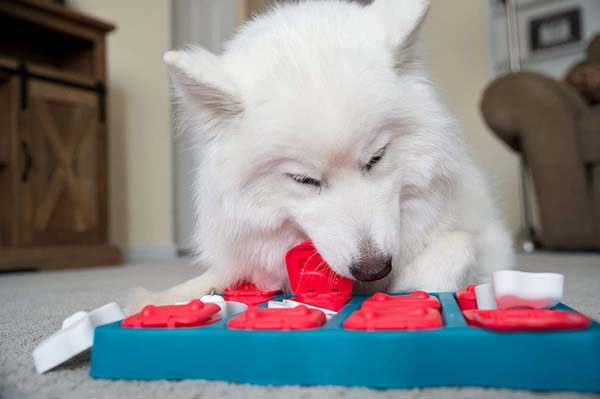
What to do for a dog that doesn’t like toys
According to animal behaviorist and dog trainer Kyle Kittleson, one of the main reasons that dogs aren’t interested in playing with toys is that they don’t find the toys motivating. Pay attention to what naturally motivates your dog, whether that’s roughhousing, treats, or playing chase, and choose toys that match those tendencies.
Dog toys break down into the following categories:
- Tug of war: Use rope toys or rubber rings, for example, the Tonka Tread Chew Tug .
- Chase and retrieve: Use balls or Frisbees, such as the ChuckIt! Paraflight Flyer .
- Hide and seek: Use toys with cavities for hiding treats, for example, the Kong Classic Dog Toy .
- Pounce and shake: Use squeaky toys to encourage this type of play, such as the popular Lamb Chop from Mulitpet .
Veterinarian Karen Becker advises using toys carefully to ensure your dog’s safety. Your pooch’s temperament, size, and age should all be considered when choosing the safest toys for your pet.
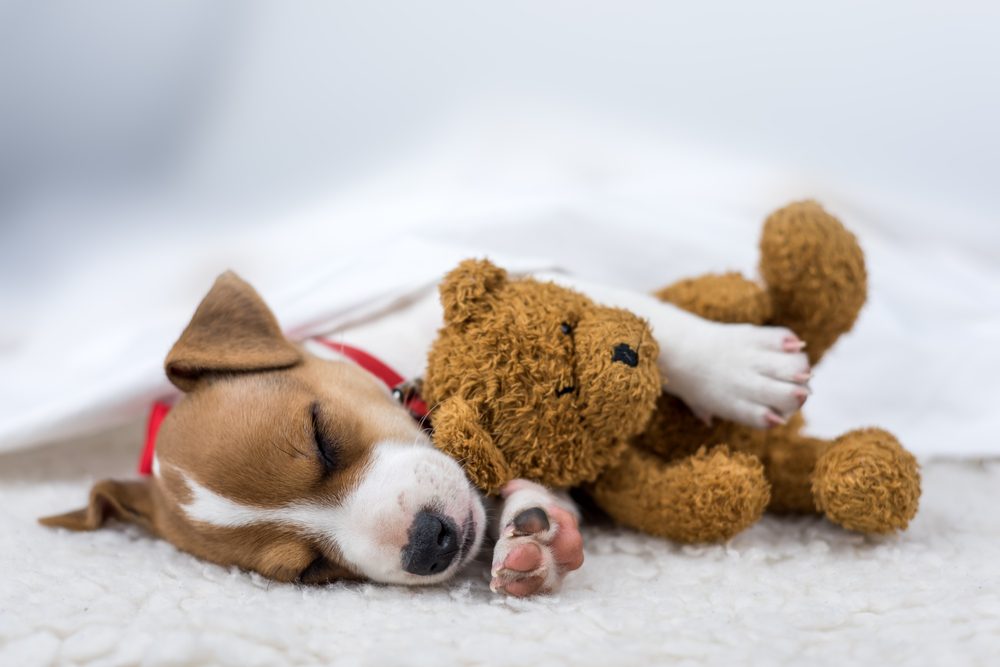
How can I get my dog to like toys?
Some dogs need to be taught to like their toys. Kittleson recommends positive reinforcement training using these steps:
- Hold a toy in one hand and a treat in the other. Encourage your dog to touch the toy and once they do, get excited and give them a treat. Repeat this exercise until your dog is consistently touching the toy for a treat.
- The next step is to put the toy on the floor and encourage your dog to touch it. As soon as they touch the toy, get excited and give them a treat.
- If at any point your dog picks up the toy in their mouth, raise your excitement level and give them additional treats. The goal is that your dog learns that playing with their toy leads to a yummy reward. Eventually, your encouragement and time spent together will be enough to keep your dog engaged in playing and you won’t need to use treats.
Another easy way to teach your dog to play with toys is to encourage playtime before feeding them a meal, says Kittleson. In this case, dogs look forward to playing with their toys because it’s always followed by food.
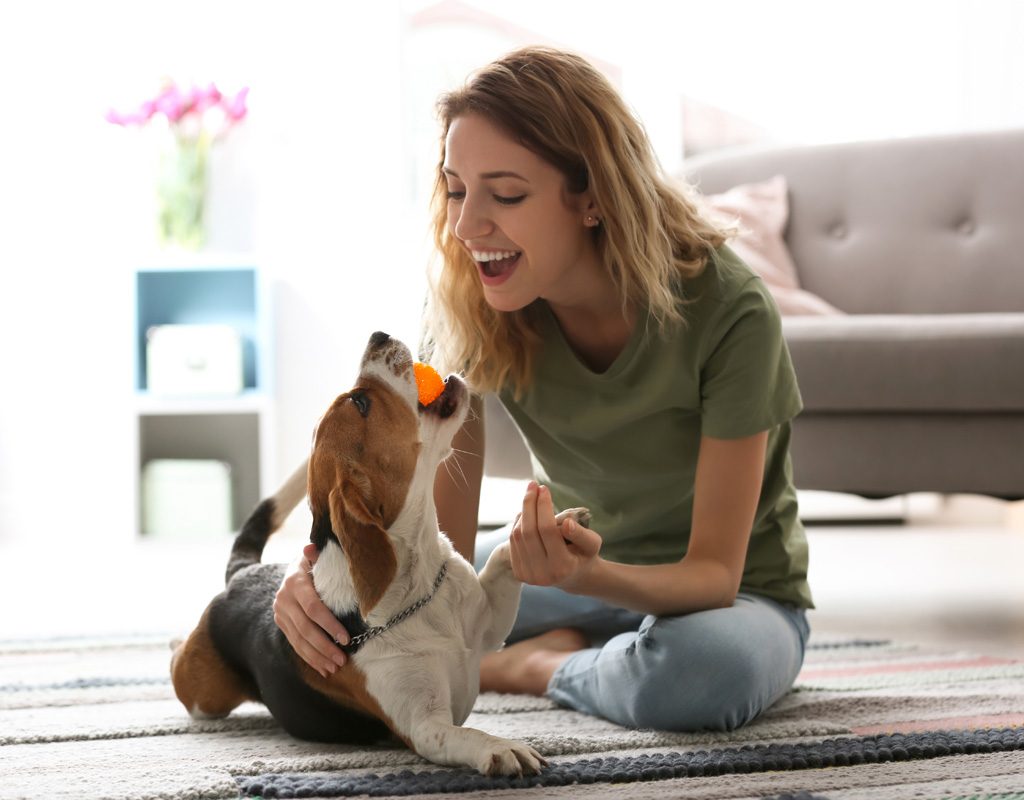
Finally, if your dog does start to show interest in toys, be aware that their preferences may change depending on their age, say experts at the American Kennel Club. Teething puppies might enjoy biting down on rubbery chew toys while adults may prefer chasing Frisbees, and senior dogs might opt for softer plush toys. It’s such fun when you find a toy that gets your dog excited, and playing together is a great way to bond with your buddy.