
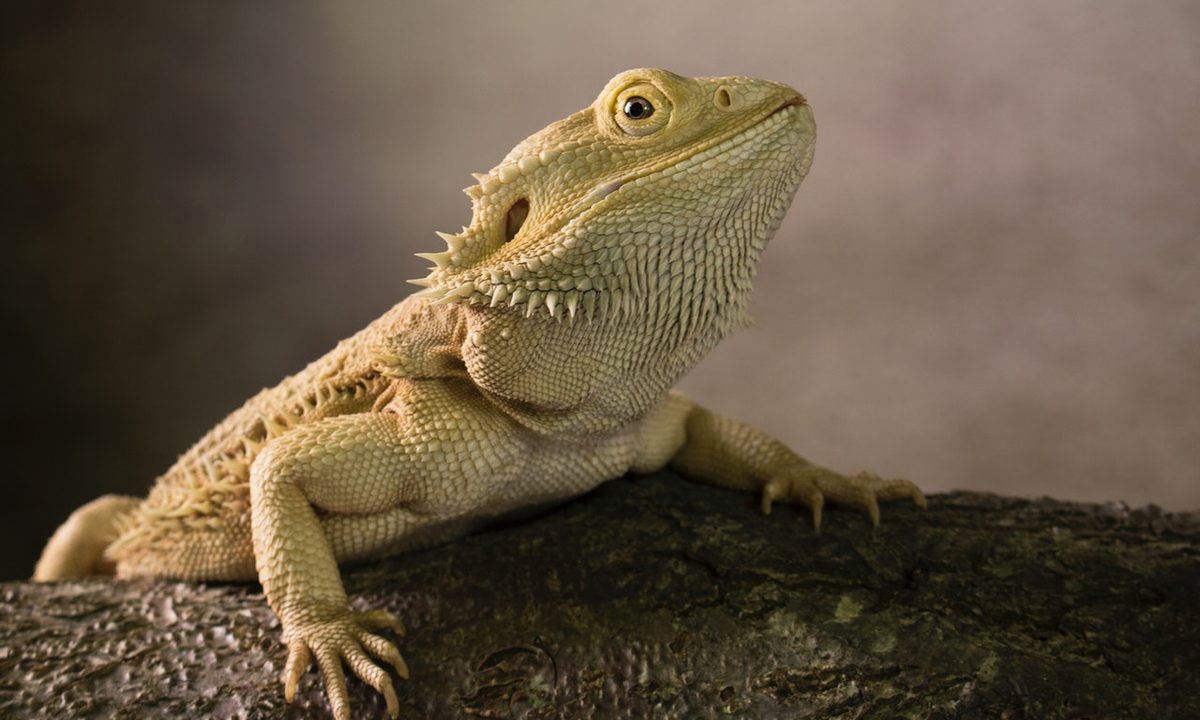
Bearded dragons were introduced to the United States in the 1990s, but these laid-back reptiles — often called beardies or dragons — are originally from Australia. Unlike some reptiles, beardies are known for being quite social, making them wonderful, low-maintenance pets for many households. You might be surprised to learn that dragons also make great pets for children due to their calm demeanor and affectionate nature. What’s cuter than a bearded dragon? A dragon that knows how to do tricks. If you’ve been wondering how to train bearded dragons, we’re here to share our favorite tips.

Why should you train your bearded dragon?
Training your dragon doesn’t merely teach them to follow your commands and do entertaining tricks. It also allows you to build trust and establish a tight bond with your beardie. You can even potty-train your dragon, but the most important trick to master is training your bearded dragon to come when you call. Dragons enjoy spending time out of their enclosures, but they also can climb furniture and vanish from sight. If your dragon comes when you call, you won’t have to worry about where they’ve scurried off to anymore. Training sessions also provide mental stimulation for your dragon, which helps keep them from becoming bored and restless.

Getting to know your dragon
For the most part, beardies are docile, affectionate creatures, but some can be shy when you’re first getting to know them. If your dragon needs time adjusting to your presence, don’t rush things. Mealtime is great for bonding, but skittish dragons may need space. Try dropping food in their enclosure with a pair of tweezers and talking to them in a calm voice for a few days. Make sure you repeat their name often during feeding time. Once they’re used to you, feed them a few snacks and pet them gently as they eat. The dragon will come to associate being fed with receiving attention.
The real fun can begin when your dragon feels more comfortable with you. Try hand-feeding your dragon while you talk to them. Again, make sure to use their name. At this point, they may start looking in your direction when they hear their name, which means they recognize it. Success!

Training your dragon to come to you
Whether you’re worried your dragon will take off when you bring them outside, or you simply don’t want to have to tear your house apart looking for them, teaching your dragon to come when you call is essential. Luckily, dragons are easily motivated by food. Get some snacks ready, follow these steps, and in no time, your dragon will come when you call them.
Step 1: Offer a treat every time you use their name for the first couple of weeks
When you start to feed your dragon, say their name and then give them a treat. Repeat the process, feeding them a single treat at a time. We recommend using only their name instead of saying, “Here’s a tasty treat, Dracarys,” which can be confusing. Make sure to keep your tone light and cheerful so your dragon doesn’t think you’re angry. Consistency is key, so keep this up for a week or two, greeting them by name each time you feed them.
Step 2: At the three-week mark, don't immediately feed your dragon when you call their name
After a week or two, your dragon should recognize the sound of their name. When you enter the room containing their enclosure, call them by name, but don’t immediately feed them. Your dragon should come running, and then you can feed them as a reward. Some dragons take a little longer to pick it up, while others learn to respond to their name quickly.
Step 3: Call them by name when out of their enclosure
Now, it’s time for the real test — will they respond when they’re not in their enclosure? Take them out and place them in a favorite spot. Cross to the other side of the room and call your dragon by name. Most likely, they’ll scamper over to investigate. If not, you can dangle a treat from your fingers to lure them over. Once they learn to associate coming when you call them with getting a treat, it’s smooth sailing from there.
Bearded dragons make calm and entertaining pets. They’re also one of the most intelligent reptiles around. Friendly, good with kids, and relatively low maintenance, you can’t go wrong with a dragon if you want to start keeping reptiles. Best of all, you can teach them to come to you on command, potty-train them, and even teach them to walk on a leash. You’ll be able to enjoy your dragon’s companionship for roughly 10 years, and if you follow our tips, you’ll be equipped to teach them plenty of tricks during their lifetime.