Getting a new cat is always an exciting experience, but it’s even more exhilarating if you’re a first-time pet parent. That being said, adopting a cat can also prove challenging for beginners. While cats are generally more low maintenance than dogs, some cats are more demanding than others, and that’s doubly true for kittens. Even if you adopt a fully grown cat, you’ll still have to put in a lot of work changing the litter box and playing with your new fur baby. However, certain breeds are a bit more low maintenance than others. If you’re looking to adopt a laid-back, friendly feline, these are six good cat breeds for beginners.
1. Abyssinian
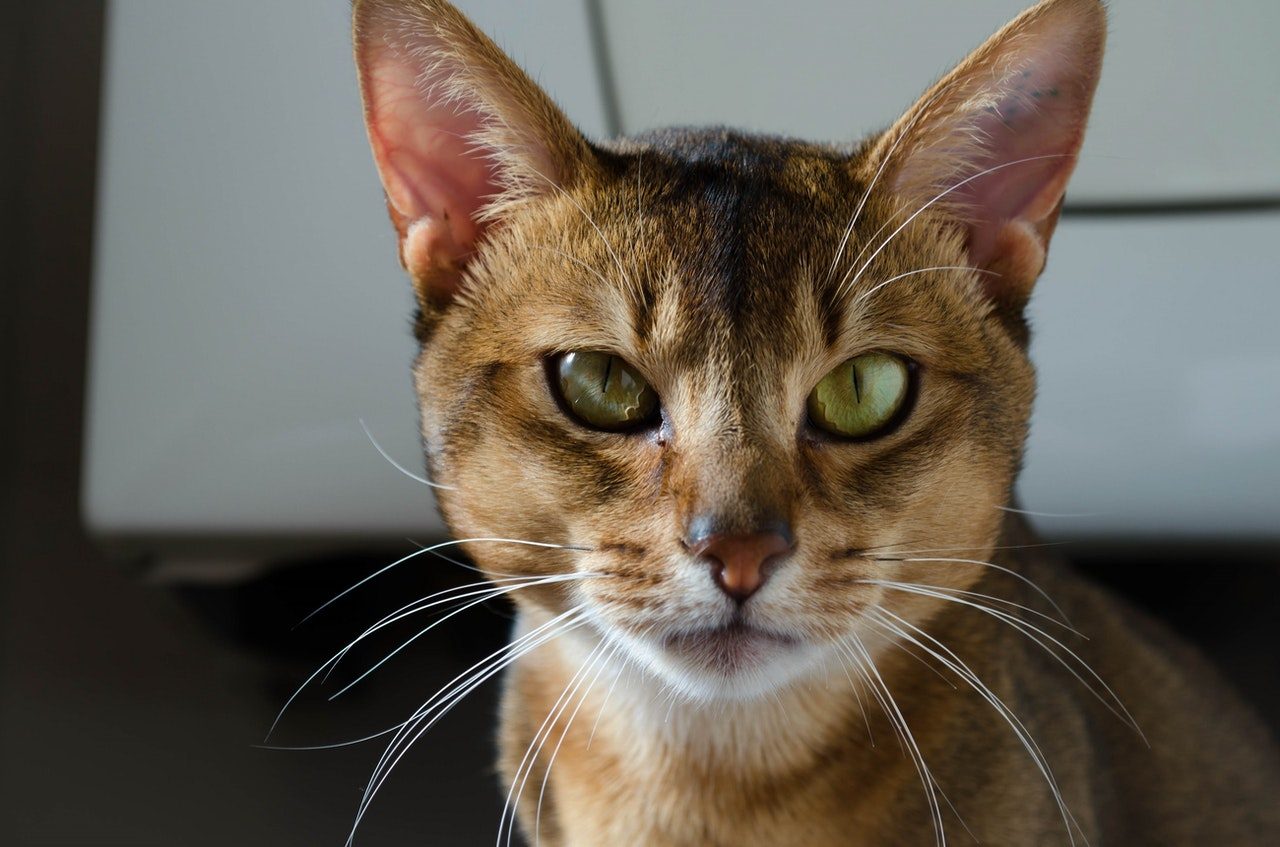
While there’s no official record of their heritage, the breed is said to have come from Abyssinia — modern Ethiopia. The breed’s name stems from this origin story, but genetic testing indicates that Abyssinian cats probably hail from Southeast Asia. Abyssinian cats are a small to medium breed that weighs 6–10 pounds and has a life expectancy of nine to 15 years. They come in four distinct colors: ruddy, red, blue, and fawn, and they’re known for their bright, almond-shaped eyes. Intelligent, curious, and affectionate, this energetic breed loves to play and cuddle. Abyssinian cats get along with all members of the family, including children, dogs, and even parrots.
2. American shorthair
If you’re looking for a brand steeped in American history, this may be the cat for you. Legend has it the first American shorthairs were brought over on the Mayflower, where they served as rat catchers. American shorthairs weigh between 10 and 15 pounds and live 15–20 years on average, making them the ideal companion for those who want to spend a long time with their fur baby. Intelligent, loving, and easy to train, American shorthairs make great cats for families with children and dogs. They’re perfectly content to snuggle on your lap, but they’re also happy to be left alone during the day. American shorthairs come in a variety of colors, including calico.
3. Burmese
The first Burmese cat, a deep-brown stunner named Wong Mau, was brought to the United States from Burma — now Myanmar — by Dr. Joseph C. Thompson. Thompson began to breed Wong Mau, and the modern-day Burmese cat was born. Burmese cats are characterized by their soft, rounded appearance. They come in numerous colors ranging from jet black to platinum, with the occasional tortoiseshell thrown in. The Burmese cat’s life span is around nine to 13 years, and they weigh 8–12 pounds on average. While Burmese cats love jumping and climbing, they’re also extremely affectionate and retain a kittenish personality throughout their lives. Clever and adaptable, this breed can go with the flow and get along well with everyone.
4. Maine coon
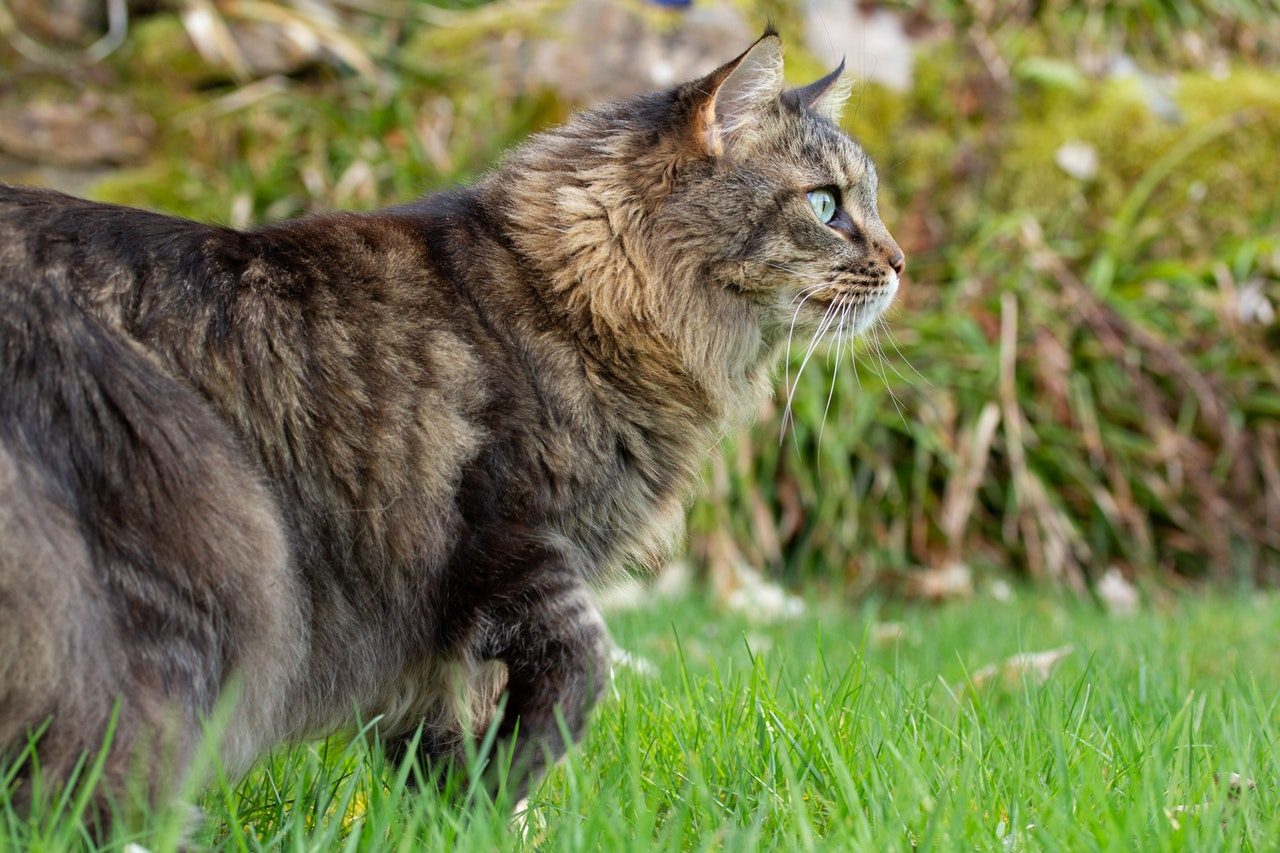
Native to New England, the first Maine coon cats served as mousers, furry farmhands, and shipmates. Maine coons are large cats that weigh between 9 and 18 pounds — though males can reach up to 20 pounds or more — and live roughly nine to 15 years. Maine coons are friendly and affectionate without being too demanding of your time. Highly intelligent, they love to play with toys. Females are typically docile, but males tend to remain as playful as kittens throughout their lives. If you’re not a fan of talkative cats, you’ll love Maine coons, who mostly communicate in chirps. Despite the brown tabby pattern that’s so common, they come in a wide array of colors, including solid black. Most cats are known for their dislike of children and dogs, but Maine coons can get along with both.
5. Ragdoll
This gentle, affectionate breed dates back to the 1960s, though no one is entirely sure of the Ragdoll’s heritage. Known for their bright blue eyes, Ragdolls are one of the most stunning breeds in the world. The Ragdoll’s semilong coat comes in four color patterns: mitted, van, bicolor, and colorpoint. Each of these patterns can be seen in one of six colors: cream, red, lilac, blue, seal, and chocolate. The breed gets its name from the tendency to become as limp as a ragdoll when you pick them up. Ragdolls’ sweet, tolerant nature makes them a great fit for households with children and other pets.
6. Siamese
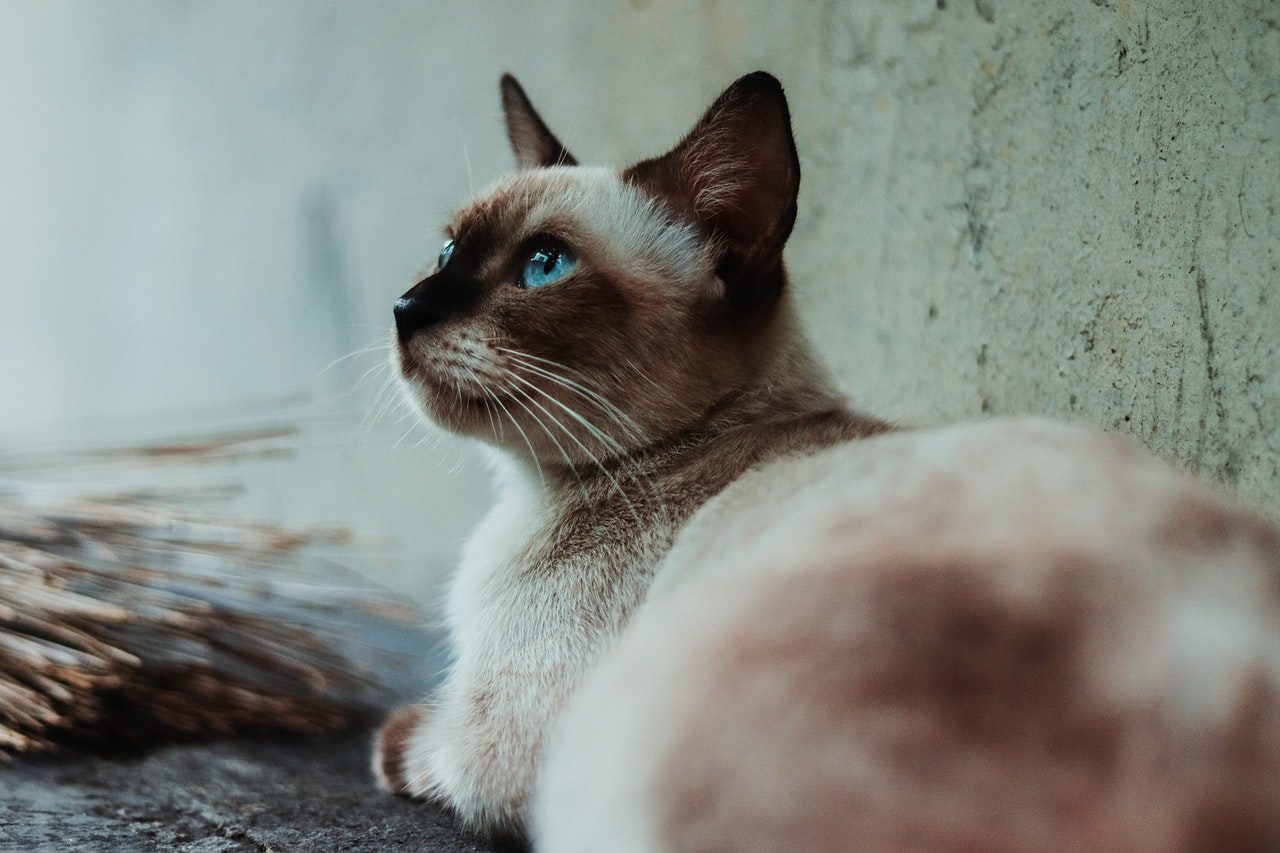
One of the oldest breeds in the world, the Siamese originally comes from Siam, now known as Thailand. They’ve been around since the 14th century but didn’t arrive in the United States until the 19th century. Known for their arresting blue eyes and striking coloration, the Siamese is instantly recognizable. Their coats come in four different colors: blue, chocolate, lilac, and seal. Siamese cats weigh between 8 and 14 pounds and live for 15–20 years on average. The Siamese has a distinctive, raspy meow, and she’s not afraid to give you a piece of her mind. Due to their deeply affectionate personalities, Siamese cats can become depressed if they’re left alone all day. Many Siamese owners adopt them in pairs. Loving, inquisitive, and clever, Siamese cats are easy to train and friendly with everyone they meet.
Adopting your first cat is thrilling, but you want to make sure your new feline friend won’t make your life too stressful. Our top picks for new cat owners are affectionate, intelligent, and get along well with strangers, children, and other pets. Having a cat is a big responsibility, but if you adopt one of the cats on our list, you’ll soon realize why your new fur baby is worth dealing with the occasional hairball.