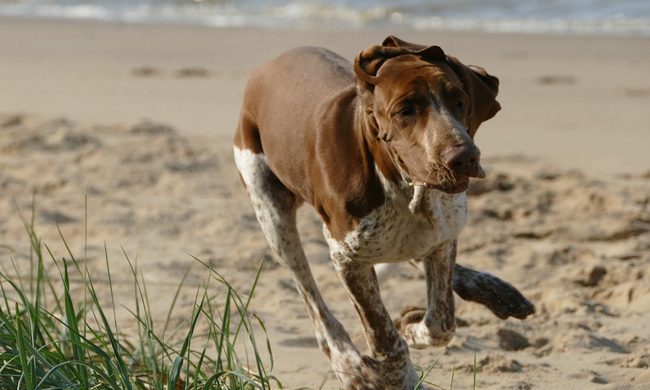
According to the Veterinary Cancer Society, one out of every four dogs will develop cancer during their lifetime, with roughly 50% of dogs 10 years and older developing this insidious disease. In fact, cancer is the leading cause of death in dogs ages 10 and older. When it comes to cancer, early detection is essential for successful treatment. The good news is that about half of all incidences of cancer in dogs are treatable if they’re caught early. If you suspect your dog may have cancer, it’s important to seek immediate veterinary assistance. These are the dog cancer symptoms you should be looking out for.

Common canine cancers
We’ve all heard of cancer, but some of us may not know exactly what it is. Cancer develops when cellular growth in the body spirals out of control. While many animals develop more species-specific forms of cancer, dogs can develop the same types of cancer as humans. Let’s take a look at some of the most common forms of cancer in dogs.
Stomach cancer
While stomach cancer in dogs occurs less often than other forms of cancer, it is one of the worst diagnoses any pet parent can receive. Because the symptoms often remain undetectable until the disease progresses, catching it early on can be difficult. Stomach cancer is typically found in older dogs, particularly males. Vomiting is the most common symptom, and you may see blood in your dog’s vomit. Some breeds, like rough collies, Belgian shepherds, Staffordshire bull terriers, and chow chows, are more likely to develop stomach cancer than other breeds.
Mast cell tumors
Some mast cell tumors are more or less benign, but others are aggressive and require immediate surgery to remove the mass followed by treatment like chemotherapy or radiation. Dogs with mast cell tumors may exhibit lethargy, weight loss, decreased appetite, vomiting, and diarrhea. Boxers and bulldogs have a genetic predisposition to developing mast cell tumors, but they can impact other breeds, as well.
Lymphoma
One of the most common forms of cancer in dogs, lymphoma accounts for roughly 10%–20% of canine cancer cases. Golden retrievers are the most affected breed, with symptoms of lymphoma presenting as swollen lymph nodes near the shoulders, knees, and jaw. You’ll occasionally find lymphoma in the nodes of the chest and abdomen, which can cause breathing problems, diarrhea, or vomiting. Generally speaking, dogs who receive chemotherapy early on respond well to treatment.
Osteosarcoma
You’ll most often find this aggressive form of bone cancer in large breeds like Great Danes, mastiffs, and Irish wolfhounds. While it typically affects longer bones in the legs, it can affect any bone in the body. The most common type of bone cancer in dogs, osteosarcoma spreads rapidly to other bones, often attacking the lymph nodes and lungs. Unfortunately, the prognosis is grim. Even with amputation and chemotherapy, only around 10% of dogs survive longer than three years after being diagnosed.
Hemangiosarcoma
This cancer develops in the cells lining dogs’ blood vessels, and it often attacks the skin, heart, liver, and, most commonly, the spleen. Sadly, there are rarely any warning signs that your pooch has a splenic tumor until it ruptures, causing severe blood loss. Other symptoms include pale gums, labored breathing, and sudden-onset lethargy and weakness. Dogs with hemangiosarcoma require immediate surgery followed by chemotherapy. Sadly, because this form of cancer shows itself only once it’s advanced, treatment often comes too late. You most often see this form of cancer in German shepherds, golden retrievers, and Portuguese water dogs.
Mammary gland carcinoma
If you’ve recently adopted a female puppy, you should have her spayed before she has her first heat, as this dramatically reduces the odds of mammary gland carcinoma. This type of cancer usually affects unspayed females of any breed. Because it often presents as nodules around the nipple, it’s very commonly overlooked. Nodules grow quickly, sometimes forming open, ulcerated tumors. While only 50% of mammary gland tumors are cancerous, 50% of all malignancies are fatal.
Early warning signs
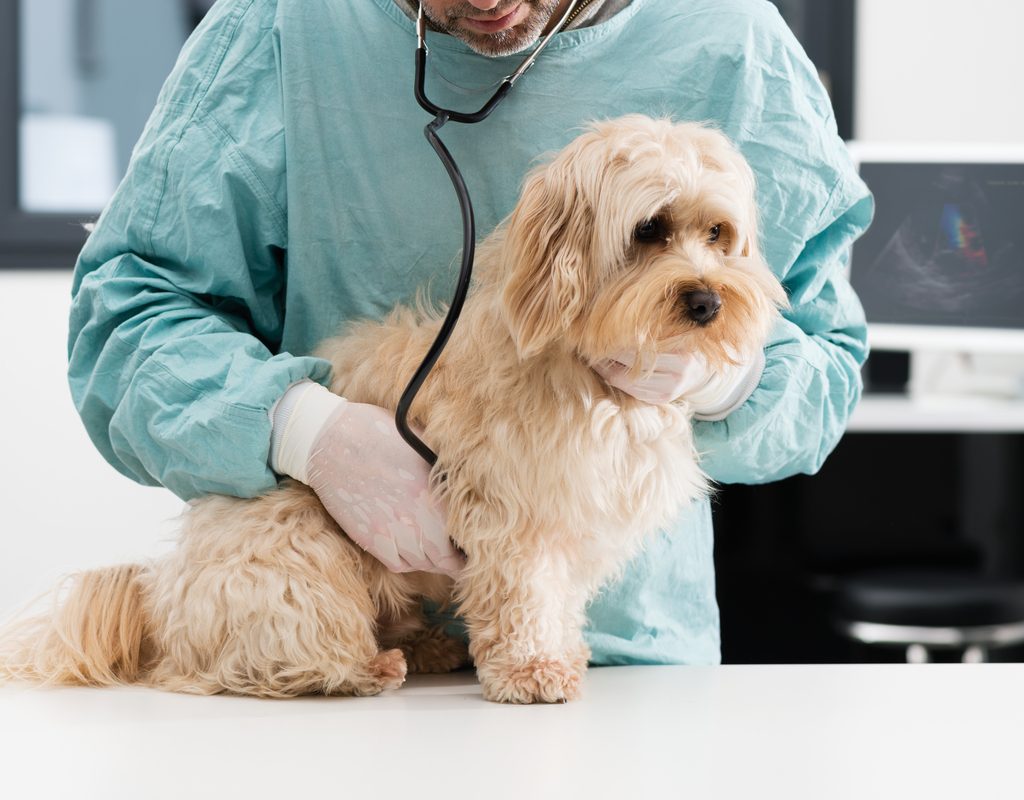
Detecting cancer in your dog as soon as possible can be a matter of life or death. If you notice one or more of these early warning signs, you should immediately take your pooch to the vet. Here’s what you should look out for.
- Loss of appetite
- Limping
- Weight loss
- Open wounds that refuse to heal
- Abnormal lumps and bumps
- Blood or discharge in the stool, vomit, or urine
- Blood or discharge in the eyes, nose, mouth, urethra, or anus
- Vomiting or diarrhea
- Whimpering or other cries of pain
- Sudden behavioral changes
Receiving a cancer diagnosis for your best friend is a heart-rending experience, but you have options for treatment. Take your pup for annual checkups at the vet, make sure she eats a nutritious diet and gets plenty of exercise, and immediately schedule an appointment if you notice something unusual. Your dog depends on you to keep her healthy, and if you stay on top of things, you can help her beat the odds.