Often touted as the best multipurpose oil on the market, coconut oil is used in everything from cooking to health and beauty products. A quick internet search yields thousands of results, most of which sing coconut oil’s praises. Whether it’s included in a recipe for the perfect scones or as the number one ingredient in DIY hair masks, coconut oil supporters are fervent in their devotion. In fact, coconut oil has become so ubiquitous that many pet parents are wondering, “Is coconut oil safe for cats?” Let’s take a deep dive into what makes coconut oil so unique, the potential benefits of coconut oil for cats, and what you need to know before you use it.

What makes coconut oil such a buzzworthy ingredient?
Unlike olive oil, avocado oil, and fish oil, which all contain long-chain triglycerides, coconut oil gets its fatty acids from medium-chain triglycerides, also called MCTs. MCTs have a quick turnaround in the body, providing short-term energy before the body can store them as fat. MCTs contain known anti-fungal fatty acid chains like caprylic acid, capric acid, and lauric acid. In addition to anti-fungal properties, lauric acid has anti-bacterial and anti-viral properties.
If you’re looking to get the most benefits from your coconut oil, look for blends containing all three powerhouse ingredients: capric acid, caprylic acid, and lauric acid. Additionally, coconut oil also contains omega-3 fatty acids, which boast impressive anti-inflammatory properties. Despite documented evidence supporting coconut oil’s effectiveness in humans, many pet parents don’t realize it’s actually beneficial for cats, too.
Is coconut oil safe for cats?
While most medications and supplements (like acetaminophen and lavender oil) are toxic to cats, your kitty can enjoy some of the same products we can. Topical coconut oil may improve allergies, relieve itchiness and dry skin, and improve the health of your cat’s fur. When taken orally, coconut oil reduces inflammation and hairballs, improves digestion and bone health, and may even give your cat’s immune system and metabolism a boost. Thanks to its anti-fungal, anti-microbial, and anti-inflammatory properties, coconut oil can help prevent infections if your fur baby is scratched or bitten by another pet. Its high-fat content also serves an additional purpose: smothering fleas, ticks, and mange.
However, you should be aware that many veterinarians don’t recommend coconut oil. Pet owners swear by the benefits, but their claims aren’t widely supported by the scientific community — yet. That being said, you should still consult your veterinarian before giving your cat coconut oil. Given its high-fat content, your vet may caution you against using it if your cat is overweight or suffers from issues like pancreatitis, metabolic disorders, or irritable bowel syndrome.

How should you use coconut oil for your cat?
You should always speak with your veterinarian before giving your cat any medications or supplements. Your vet can also make product recommendations and advise you on how much product you can safely use. Once you’ve been given the all clear, you can give your cat coconut oil topically or orally. We’ll take a look at the benefits of each and go over why it might not be the best choice for your cat.
Topical
Does your cat’s coat appear dull and lackluster? Make sure you speak to your vet, as your cat’s lifeless coat may indicate an underlying medical issue. Just as coconut oil nourishes and hydrates our hair, it does the same for your cat’s. Apply a dollop of coconut oil to your hands and warm it between your palms, smoothing them over your cat’s coat to add much-needed moisture. Coconut oil can also help heal sores, skin issues, and abrasions. However, you’ll need to place your cat in an Elizabethan collar — commonly referred to as “the cone of shame” — until the coconut oil dries. If your cat can lick the coconut oil, she may groom herself until she causes skin irritation, defeating the point of using coconut oil in the first place.
Oral
After speaking with your vet to determine the correct dosage, you can give your cat coconut oil as a snack. The MCTs and omega fatty acids in coconut oil provide anti-inflammatory benefits that can improve arthritis pain, boost brain energy in senior cats, and reduce digestive issues like constipation. Just like oily foods often cause stomach problems in humans, coconut oil can potentially give your cat gas and diarrhea. We recommend starting slowly to make sure your cat tolerates coconut oil well before giving her a full dose. If you administer a massive dose right off the bat, you could wind up with a mess on your hands — and the floor.
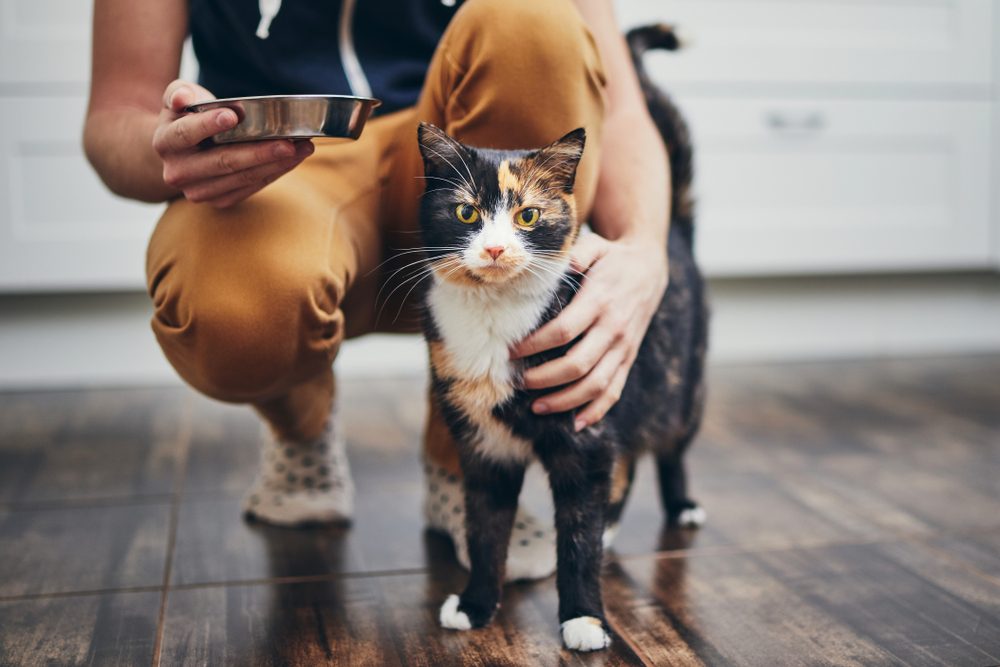
Many cats enjoy coconut oil as a tasty treat, and since it can help with numerous health issues, it’s a treat you can feel good about giving them. Speak to your vet beforehand, and make sure your cat digests coconut oil without discomfort. If you’ve been looking for a budget-friendly way to improve your cat’s health without relying on pricey medications, coconut oil just might be the superfood you’ve been looking for.